Home
Home
Why Runway Gen-3 Marks the End of the Experimental AI Video Era

The transition from Runway Gen-2 to Gen-3 Alpha represents the most significant shift in generative video history. While Gen-2 introduced the world to the possibility of generating video from text, it was often characterized by "dream-like" distortions, morphing textures, and a lack of physical grounding. Gen-3 Alpha, and its subsequent Turbo variants, transitioned the technology into a professional production tool capable of photorealistic output and precise cinematic control. As the landscape now shifts toward the Gen-4 series and General World Models, understanding the fundamental differences between the legacy Gen-2 architecture and the modern Gen-3 standard is essential for any digital creator or filmmaker.
Immediate Comparison Between Gen-2 and Gen-3 Alpha
For those seeking a direct answer, Gen-3 Alpha is superior to Gen-2 in every technical metric including resolution, temporal consistency, and motion physics. Gen-2 is now largely considered a legacy tool, useful primarily for specific "glitch-art" aesthetics or when working with extremely limited older credit balances.
The most noticeable difference lies in the video duration and generation speed. Gen-2 was limited to 4-second clips that often took nearly two minutes to render. Gen-3 Alpha generates 5 to 10-second clips with significantly higher fidelity in roughly 90 seconds. The "Turbo" version of Gen-3 further accelerates this, producing high-quality results up to seven times faster than the original Alpha model, effectively removing the "render bottleneck" that previously hindered creative workflows.
| Feature | Runway Gen-2 | Runway Gen-3 Alpha |
|---|---|---|
| Maximum Duration | 4 Seconds | 10 Seconds (Extendable to 40s) |
| Visual Quality | 720p-ish (soft textures) | High-Fidelity 1080p+ (photorealistic) |
| Motion Physics | Floaty / Unpredictable | Weight-aware / Realistic |
| Consistency | High morphing / Face shifting | Stable characters and environments |
| Control Tools | Basic Motion Brush | Act-One, Keyframes, Advanced Camera |
Visual Evolution from Morphing to Fidelity
The first thing a professional editor notices when switching from Gen-2 to Gen-3 is the elimination of the "AI shimmer." In Gen-2, pixels often appeared to vibrate or swim, and complex textures like hair or grass would lose their identity mid-shot. This was a result of the model's limited understanding of temporal consistency—the ability to remember what a pixel looked like in the previous frame and ensure it moves logically in the next.
Gen-3 Alpha solved this through a massive leap in multimodal training infrastructure. When rendering a close-up of a human face, Gen-3 maintains skin pores, micro-expressions, and lighting reflections throughout the entire 10-second duration. In contrast, a Gen-2 face would often begin to "melt" or change ethnic features after the two-second mark. This stability allows for the creation of "hero shots" that can be used in actual commercial projects rather than just social media experiments.
The Realism of Lighting and Shadow
Lighting in Gen-2 was frequently flat or followed a generic "dreamy" aesthetic. Gen-3 understands the interaction between light sources and materials. In our testing of interior scenes, Gen-3 correctly rendered the bounce light from a neon sign onto a character’s leather jacket, maintaining the color temperature and intensity as the character moved. This level of environmental awareness makes the difference between a video that looks like a "deepfake" and one that looks like it was captured on a cinema camera.
Texture and Fine Detail
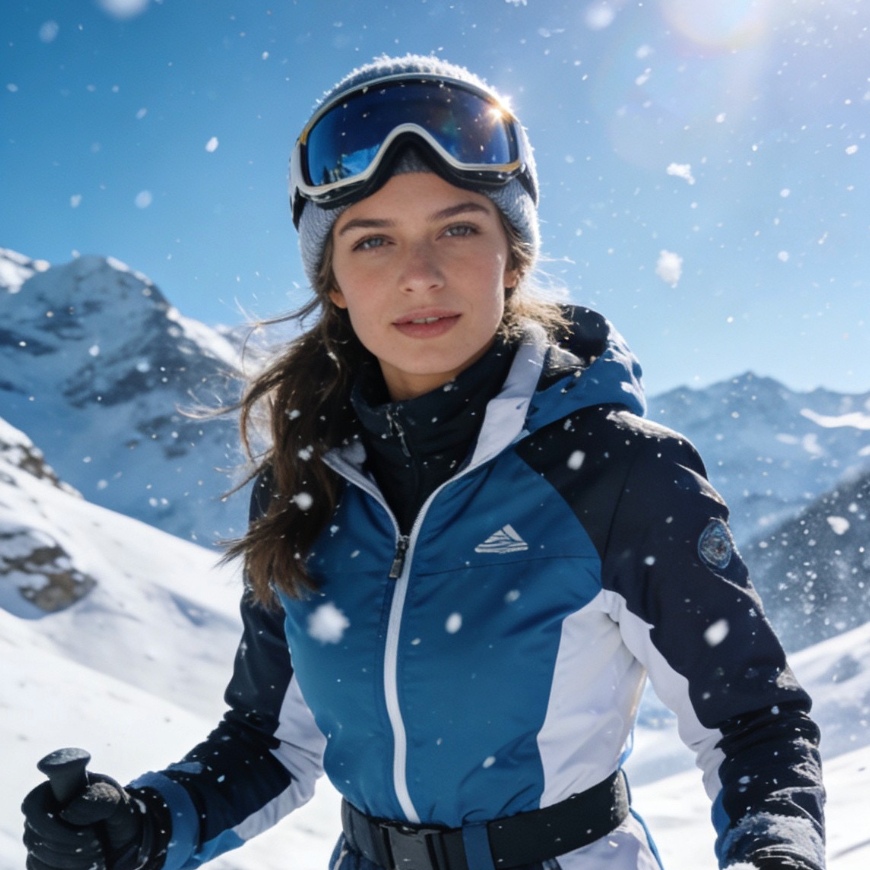
Textural integrity is where Gen-3 truly dominates. Whether it is the crystalline structure of ice in a glacial canyon or the fine weave of a fabric, Gen-3 retains these details even during fast camera movements. Gen-2 struggled with "motion blur" which was often just a lack of detail. Gen-3 produces natural motion blur that mimics the shutter speed of a real camera, adding to the cinematic feel.
Physics and Motion Logic Redefined
Early AI video generation was notorious for "gravity-defying" errors. In Gen-2, objects would often float away, limbs would disappear into torsos, and water would behave like thick syrup. Gen-3 Alpha introduced a much more robust understanding of real-world physics, particularly regarding weight, inertia, and fluid dynamics.
Human Motion and Gestures
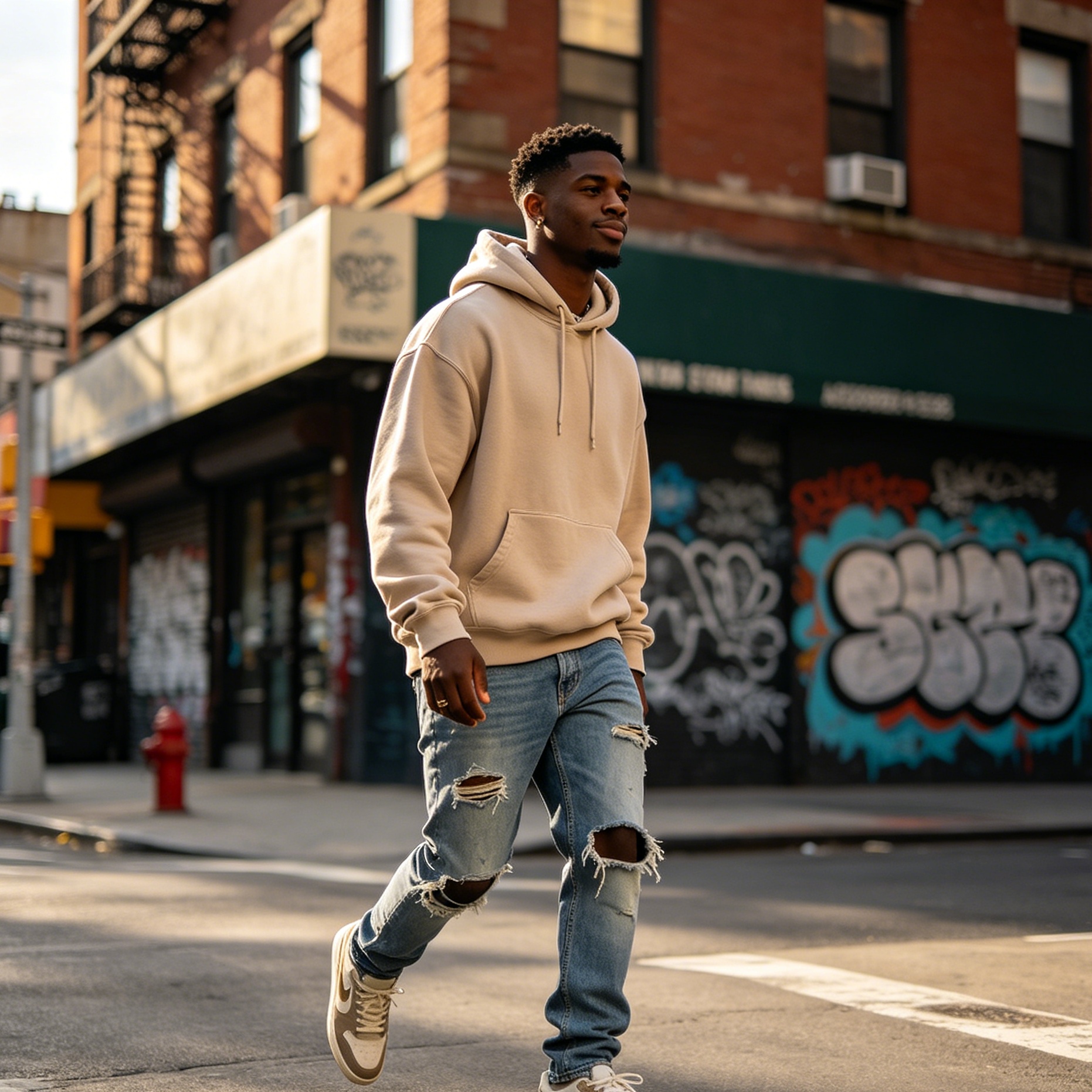
One of the hardest things to simulate is the natural movement of a human body. Gen-2 often produced "puppet-like" movements where the limbs moved independently of the center of gravity. In Gen-3, when a character walks, there is a realistic transfer of weight from one foot to the other. Shoulders sway in sync with the stride, and clothing reacts to the movement of the limbs underneath. This makes Gen-3 a viable tool for narrative storytelling where character believability is paramount.
Fluid Dynamics and Environmental Interactions
If you prompt Gen-3 for a "splashing wave hitting a rock," the resulting spray follows a parabolic path consistent with gravity. The foam dissipates realistically. In Gen-2, such a prompt would often result in a chaotic explosion of white pixels that lacked any sense of volume or direction. This improvement extends to fabric simulation; a cape fluttering in the wind in Gen-3 has the correct "flutter frequency" based on the perceived wind speed in the scene.
Professional Control Mechanisms
The transition to Gen-3 wasn't just about better pixels; it was about better "steering." Gen-2 relied heavily on the Motion Brush—a revolutionary but ultimately blunt tool. Gen-3 introduced a suite of advanced controls that bridge the gap between AI generation and traditional cinematography.
The Power of Keyframing
One of the most requested features in the Runway ecosystem was the ability to dictate the start and end of a shot. Gen-3 Alpha Turbo supports multi-point keyframing. You can upload an image as the first frame and a different image as the last frame, and the AI will "interpolate" the movement between them. This allows for precise "A-to-B" transitions that were impossible in Gen-2, where the AI would simply guess where the scene should go.
Act-One for Character Performance
Act-One is perhaps the most significant feature added to the Gen-3 ecosystem. It allows a creator to use a simple driving video (captured on a smartphone) to dictate the facial expressions and performance of an AI character. Unlike the "face-swapping" tools of the Gen-2 era which often looked robotic, Act-One captures the nuances of a performance—a squint of the eyes, a quiver of the lip—and translates it onto the generated character without requiring expensive motion-capture suits or rigging.
Advanced Camera Control
While Gen-2 allowed for basic pans and zooms, they were often jittery. Gen-3’s camera control suite allows for precise intensity settings. You can dial in a "Handheld Shake" to give a scene a documentary feel, or use "Static Camera Control" to ensure the background remains perfectly still while only the subject moves. This level of intentionality is what separates a professional filmmaker from a hobbyist.
The Counterintuitive Economics of AI Video
There is a common misconception that because Gen-3 is better, it must be more expensive. Surprisingly, the pricing shift within Runway has made Gen-3 more cost-effective for most users.
Credit Consumption Breakdown
In the legacy Gen-2 system, a 4-second generation would typically cost around 125 credits. With the introduction of Gen-3 Alpha, Runway moved to a more streamlined credit model. A 5-second high-fidelity clip in Gen-3 now only costs 10 credits. Even the 10-second extended clips remain at a 10-credit flat rate in many tiers.
This means that for the "Standard" plan ($12/month), which offers 625 credits:
- You could generate roughly 5 clips using Gen-2.
- You can generate over 60 clips using Gen-3 Alpha.
This 12-fold increase in volume completely changes the creative process. Instead of being afraid to "waste" credits on a bad generation, users can now iterate, generate variations, and fine-tune their prompts without exhausting their monthly budget in ten minutes.
Speed and Efficiency
Time is the other major currency in production. Gen-3 Alpha Turbo is specifically optimized for high-throughput environments. If you are generating a 30-second sequence for a social media ad, Gen-2 would require multiple stitched clips and hours of waiting. Gen-3 Turbo can generate the same amount of footage in a fraction of the time, allowing for real-time feedback and adjustments during a creative session.
Prompt Engineering for Gen-2 vs Gen-3
The way the models "read" text has also evolved. Gen-2 was very sensitive to "keyword stuffing"—using strings of words like "4k, highly detailed, cinematic lighting, masterpiece." In Gen-3, the model is trained on much more descriptive, natural language.
Descriptive Storytelling
In Gen-3, you get better results by describing the scene like a director would in a screenplay.
- Gen-2 Style Prompt: "Man running, forest, sunset, 8k, realistic."
- Gen-3 Style Prompt: "A cinematic wide shot of a man in a tattered grey hoodie sprinting through a dense pine forest. The orange glow of the setting sun pierces through the trees, creating long shadows and dramatic lens flares. High-speed tracking shot with realistic motion blur."
Gen-3 understands the relationships between the "tattered hoodie" and the "sprinting motion," ensuring the fabric reacts to the wind. It also understands that a "tracking shot" implies a specific type of camera movement that stays parallel to the subject.
Text-to-Video Success
While Gen-2 almost always failed at rendering readable text within a video, Gen-3 has made significant strides here. If you prompt for a "neon sign that says 'RUNWAY'," Gen-3 has a much higher probability of rendering the letters correctly without them morphing into gibberish. This opens up new possibilities for title sequences and localized advertising.
Where the Future Leads: Gen-4 and General World Models
As of 2026, the discussion has already moved beyond Gen-3 toward the Gen-4 Aleph and Gen-4 Image models. While Gen-3 was about perfecting the "clip," Gen-4 is about mastering the "world."
Scene and Character Coherence
The biggest limitation of Gen-3 is still the difficulty of maintaining a single character's identity across ten different clips without using the Act-One tool. Gen-4 models are designed with "World Consistency" in mind. This allows a creator to define a character once and have them appear identical in a bedroom, a spaceship, or a forest across a series of separate generations.
General World Models (GWM)
Runway is currently deploying General World Models (like GWM-1) which aim to go beyond video generation into real-time interactive simulations. This technology doesn't just predict the next pixel; it predicts the physical state of the environment. Imagine a video where you can click on a door and the AI "knows" how the hinges should swing and what should be in the room behind it. This is the ultimate goal of the transition that started with Gen-3.
Frequently Asked Questions
Is Gen-2 still worth using?
Gen-2 is worth using only if you specifically want an "AI-uncanny" or "dream-like" look that was popular in early 2023. It is also a fallback for users with legacy credits that cannot be applied to Gen-3 models. For all professional work, Gen-3 is the standard.
How do I access Gen-3 Alpha Turbo?
Gen-3 Alpha Turbo is available on all Runway plans, including the Free tier (with limited credits). It is the default model for most new users because it balances speed and quality.
Can I extend a Gen-3 video beyond 10 seconds?
Yes. Using the "Extend Video" feature, you can add 5 or 10-second increments to a generated clip, allowing you to create continuous sequences up to 40 seconds long. Each extension uses additional credits.
Does Runway Gen-3 support Lip Sync?
Yes, Gen-3 features an integrated Lip Sync tool. You can upload an audio track or type text-to-speech, and the AI will animate the character's mouth to match the phonemes of the audio with high precision.
Can I use Gen-3 on my phone?
Runway has a dedicated iOS app that supports Gen-3 Alpha and Act-One, allowing you to record a performance on your phone and immediately transform it into an AI-generated character.
Conclusion
The evolution from Runway Gen-2 to Gen-3 Alpha was the moment AI video stopped being a novelty and started being a legitimate tool for the film industry. By solving the core issues of temporal consistency and motion physics, Gen-3 allowed creators to focus on storytelling rather than wrestling with technical glitches. While Gen-2 paved the way by proving that pixels could be synthesized into motion, Gen-3 refined that motion into a cinematic language. As we enter the era of Gen-4 and General World Models, the lessons learned from the Gen-3 transition—particularly the importance of camera control and character performance—will continue to define the future of digital expression.
-
Topic: Runway Gen-3 vs Gen-2: Which Should You Use? (With Examples) | SurePromptshttps://sureprompts.com/blog/runway-gen3-vs-gen2-comparison
-
Topic: Runway | Tools for human imagination.https://runway.video/changelog
-
Topic: Runway Overview: Your Guide to Every Runway Model | ImagineArthttps://www.imagine.art/blogs/runway-overview