Home
Home
Why Runway Gen 2 Deprecation Marks a New Era for AI Video Creators
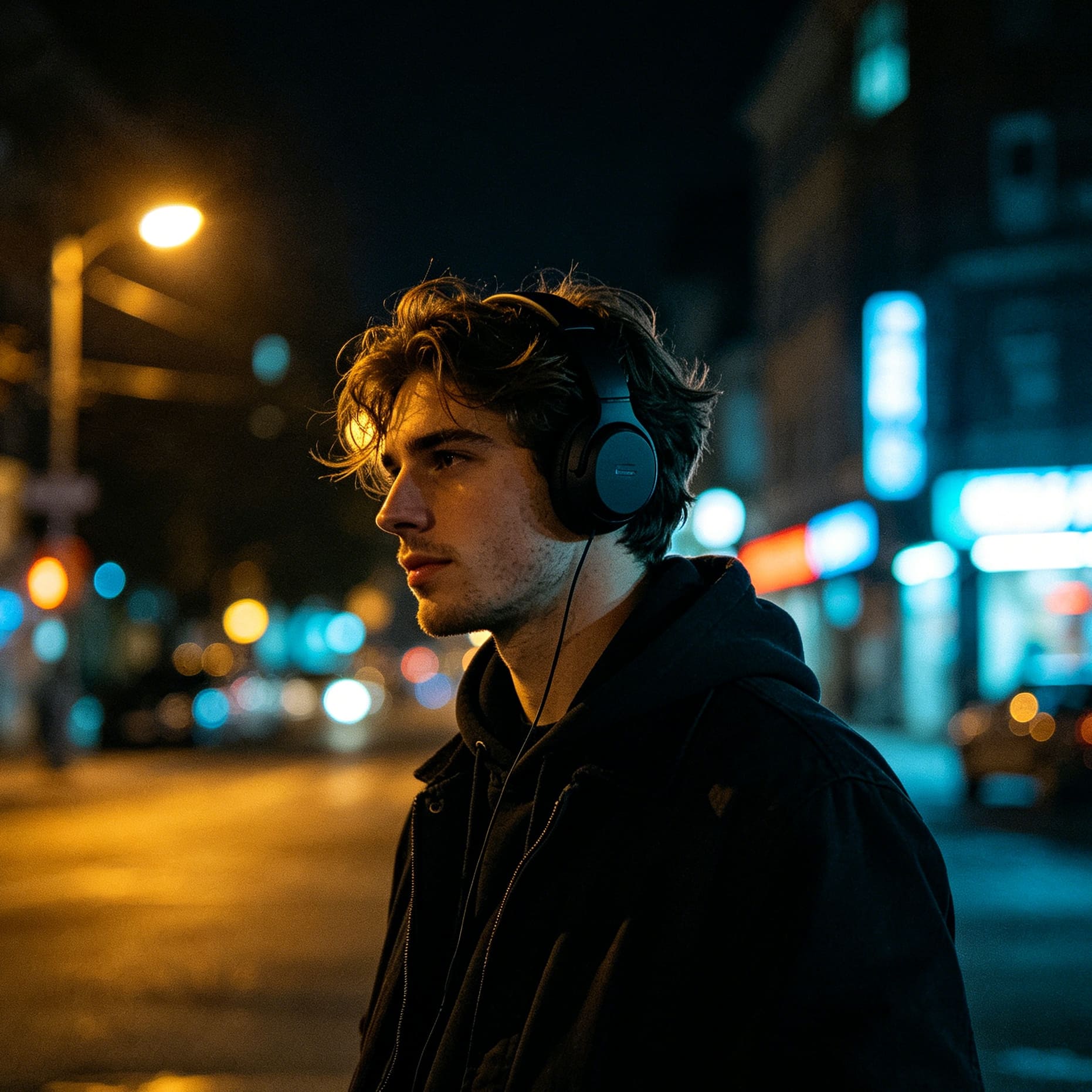
Runway Gen-2, the multimodal AI model that defined the first wave of high-quality generative video, has been officially retired as of May 11, 2025. This move marks the end of a significant chapter in creative technology, as the industry transitions from experimental synthesis to high-fidelity, production-ready cinematic tools. Users attempting to access Gen-2 features, such as the specialized Motion Brush or the legacy eight-mode interface, will find that these functions have been superseded by more advanced iterations, specifically the Gen-3 Alpha and subsequent models.
The Definitive Timeline of Gen 2 Deprecation
The phase-out of Runway Gen-2 was a calculated strategic move by Runway to consolidate computational resources and focus on the next generation of video physics. The process began in mid-March 2025, when access to the legacy model started being revoked for various user tiers. By May 11, 2025, the model was fully deprecated and removed from the active creative suite.
This transition was necessary because the underlying architecture of Gen-2, while revolutionary at its launch, could no longer keep pace with the demand for higher resolution and better temporal consistency found in newer diffusion models. For creators who relied on Gen-2 for rapid prototyping, the retirement of the model requires a shift in workflow, moving away from manual brush-based controls toward sophisticated natural language prompt adherence.
The Architectural Legacy of a Pioneering Model
To understand why the deprecation of Gen-2 is so significant, one must look at what it contributed to the field of generative media. Gen-2 was one of the first publicly accessible web-based models that bridged the gap between static imagery and dynamic motion without requiring professional filmmaking hardware. It introduced a multimodal system capable of processing text, images, and existing video clips as inputs.
The Eight Original Operational Modes
Gen-2 was structured around eight distinct modes, each serving a specific creative need. These modes laid the groundwork for how we currently interact with AI video tools:
- Text to Video: This mode allowed users to synthesize video clips in any style using only a text prompt. In the early stages of AI video, this was the primary way creators explored abstract concepts.
- Text and Image to Video: By combining a driving image with a descriptive prompt, creators could anchor the visual style to a specific reference while using text to dictate the action.
- Image to Video: A single reference image served as the seed for motion. This was particularly popular for animating digital art and photography.
- Stylization (Video to Video): This mode enabled the transfer of an image’s style or a text prompt’s aesthetic onto every frame of an existing video, effectively "re-skinning" the footage.
- Storyboard: This transformed basic mockups or wireframes into fully stylized and animated renders, a feature that became a staple in pre-visualization for commercial directors.
- Mask: This allowed for the isolation of subjects within a video, which could then be modified or replaced via text prompts, an early precursor to AI-based rotoscoping.
- Render: Users could take untextured 3D renders and turn them into realistic cinematic outputs by applying an input image or text prompt.
- Customization: The most advanced tier of Gen-2 allowed users to fine-tune the model on specific subjects or styles, ensuring higher fidelity and consistency for long-term projects.
Motion Brush and the Era of Granular Control
One of the most missed features of Gen-2 is the Motion Brush. This tool represented a unique moment in AI development where manual human intervention was prioritized over pure algorithmic generation. By "painting" over specific areas of an image, creators could dictate exactly which elements should move—such as the clouds in a landscape or the hair of a character—leaving the rest of the scene static.
In our practical testing of Gen-2 during its peak, the Motion Brush was essential for avoiding the "hallucination" of motion in background elements. While newer models like Gen-3 Alpha provide more realistic physics, they often rely on global scene understanding rather than the granular, localized control that the Motion Brush offered. Runway has clarified that while the Motion Brush as a standalone tool is tied to the Gen-2 architecture, its capabilities are being integrated into newer models through improved prompt adherence and localized motion vectors.
Technical Comparison: Gen 2 vs Gen 3 Alpha
The decision to deprecate Gen-2 is best understood by comparing its technical limitations with the capabilities of its successors.
Resolution and Fidelity
Gen-2 typically generated videos at a lower native resolution, which often required third-party upscaling for professional use. The output frequently exhibited "morphing" artifacts—where objects would lose their shape during complex movements. In contrast, Gen-3 Alpha was built from the ground up for high-fidelity cinematic output, supporting higher resolutions with significantly fewer artifacts.
Temporal Consistency
Temporal consistency refers to the AI's ability to maintain the appearance of a character or object across every frame of a video. In Gen-2, a character’s face might change slightly between frame 1 and frame 60. Professional creators often had to generate dozens of versions to find one that remained consistent. Newer models have largely solved this through better training on video sequences rather than individual frames, resulting in motion that feels grounded in real-world physics.
Prompt Adherence
In Gen-2, prompts were often treated as "suggestions." If you asked for a "blue bird flying through a forest," the AI might focus on the forest and ignore the bird, or vice versa. The newer generation of Runway models utilizes a much deeper understanding of complex descriptive language, allowing for nuanced control over camera angles, lighting conditions, and specific character actions without needing a suite of separate "modes."
Professional Workflows After the Gen 2 Era
For creators who have built their pipelines around Gen-2, the deprecation requires a transition to more descriptive prompting. The "no camera" style of creation—generating footage without traditional filming—has evolved.
From Modes to Unified Prompting
The eight modes of Gen-2 have effectively been collapsed into a more unified interface in the latest versions. Instead of selecting a "Storyboard" mode, users now achieve the same result by providing a reference image and using specific keywords in their prompt to describe the desired transformation.
Harnessing Director Mode Features
While the legacy interface is gone, the "Director Mode" controls have been refined. In the current ecosystem, creators have more precise simulated "camera" control. You can dictate pans, zooms, and tilts with greater mathematical precision than Gen-2 allowed. This is crucial for matching AI-generated B-roll with traditionally filmed A-roll in commercial productions.
The Role of Seed Consistency
One technique that has transitioned from Gen-2 to the modern era is the use of "Style Seeds." By saving the unique numerical seed of a successful generation, creators can maintain a consistent visual "DNA" across multiple clips. This remains the gold standard for building cohesive narrative sequences or brand-specific content.
The Economic and Industrial Impact of the Transition
The retirement of Gen-2 also reflects a shift in the AI business model. Runway’s current structure—ranging from Free tiers to Unlimited plans—is designed to support the heavy computational load required by Gen-3 Alpha.
- Standard Plan: Provides the necessary credits for creators who need steady, high-quality output for social media or small marketing projects.
- Pro and Unlimited Plans: These are geared toward production houses that require "Explore Mode," allowing for broad experimentation without the constant fear of exhausting credits.
Industries such as advertising and independent filmmaking have already moved away from Gen-2. Marketing teams now use the newer models for rapid A/B testing of hero images and video backgrounds. The ability to generate five different cinematic moods for a landing page in under ten minutes has become a standard requirement, and the higher fidelity of post-Gen-2 models makes this output far more viable for public-facing campaigns.
Overcoming Common Transition Challenges
Many users who were accustomed to Gen-2’s specific quirks may find the new models "too realistic" or difficult to direct. Here are strategies to bridge the gap:
Dealing with Prompt Over-Interpretation
Sometimes, newer models can be overly literal. If you describe a "mysterious atmosphere," the AI might insert literal fog or dark shadows that obscure your subject. The solution is to use technical photography terms (e.g., "shallow depth of field," "golden hour lighting," "low-key lighting") rather than emotional descriptors.
Replacing Motion Brush Functionality
If you miss the Motion Brush for animating specific parts of an image, focus your prompts on "action-oriented subjects." Instead of hoping the AI moves the right part, explicitly state: "The subject’s hair flows in a gentle breeze while the background remains static." The improved physics engines in Gen-3 and beyond are much better at identifying these nuances than Gen-2 was.
The Future of Generative Video Beyond Gen 2
The deprecation of Gen-2 is not just about one software update; it is a sign that the "experimental" phase of AI video is over. We are now in the "utility" phase. The technology has matured to a point where the flickering and inconsistencies of 2023 and 2024 are no longer acceptable to the professional market.
Future iterations, such as those mentioned in internal roadmaps (including references to Gen-4.5 or specialized video-native models), will likely focus on longer duration clips and even more complex interaction between generated subjects and their environments. The foundation laid by Gen-2—the idea that words can become film—remains the core principle, but the execution has moved from "magical but flawed" to "professional and consistent."
Frequently Asked Questions About Runway Gen 2
Why can't I find Gen-2 in my Runway dashboard anymore?
Runway officially deprecated the Gen-2 model on May 11, 2025. This means the model has been retired to allow the platform to focus on more advanced and efficient models like Gen-3 Alpha. All users have been migrated to the newer generation of tools.
Is the Motion Brush still available?
The Motion Brush was a feature specific to the Gen-2 architecture and is not available in the same format on newer models. However, the motion control it provided is now largely handled through superior prompt adherence and updated localized motion tools within the Gen-3 series.
Can I still access my old Gen-2 generations?
While you can no longer generate new content using the Gen-2 model, most users can still view their historical generations in their Runway assets folder, provided they were saved before the deprecation date. However, these cannot be "remixed" using the old Gen-2 settings.
What model should I use instead of Gen-2?
Runway recommends using Gen-3 Alpha or the latest available video model (such as Gen-3 or newer). these models offer significantly better resolution, motion consistency, and realistic physics compared to Gen-2.
Does the new model cost more than Gen-2?
Runway’s credit system remains similar, though higher-fidelity models may consume credits at a different rate depending on the resolution and duration of the video generated. Subscription plans like Standard and Pro provide monthly credits that apply to all current models.
Summary of the Generative Video Evolution
The retirement of Runway Gen-2 marks a pivotal transition in the creative landscape. As a pioneering multimodal AI, Gen-2 proved that video generation was possible from simple text and image inputs, introducing essential concepts like the eight generation modes and granular motion control. Its deprecation on May 11, 2025, serves as a testament to the rapid pace of AI development. While the loss of specific tools like the Motion Brush may require a workflow adjustment for veteran creators, the move to Gen-3 Alpha and beyond offers far superior temporal consistency, cinematic fidelity, and realistic physics. For the modern creator, the focus has shifted from managing AI artifacts to mastering complex prompt engineering and cinematic direction within a much more powerful and stable environment.
-
Topic: Gen-2 Deprecation – Runwayhttps://help.runwayml.com/hc/en-us/articles/41072248471187-Gen-2-Deprecation
-
Topic: Runway Gen-2 – Softwareondealhttps://softwareai.softwareondeal.com/runway-gen-2/
-
Topic: Gen 2 Runway - Text-to-Video Generation in Runway — Natural 20https://natural20.com/gen-2-runway