Home
Home
How Canva Transformed Into an AI Powered Productivity Giant in 2025

Canva has moved far beyond its origins as a simple drag-and-drop graphic design tool. As of 2025, the platform has solidified its position as a comprehensive visual suite that integrates sophisticated artificial intelligence, professional-grade vector editing, and robust productivity applications. This evolution reflects a broader trend in the software industry: the blurring of lines between creative design and daily office operations. Whether you are a solo creator or part of a global enterprise, understanding the current capabilities of the platform is essential for optimizing modern workflows.
The Evolution from Design Tool to All in One Visual Suite
When the platform first launched, its primary appeal was accessibility. It allowed users without formal design training to create social media graphics and presentations. Fast forward to the release of Visual Suite 2.0 in early 2025, and the scope has expanded dramatically. The current ecosystem now competes directly with traditional office suites and professional creative software.
The strategic acquisition of firms like Affinity and Leonardo AI has been a cornerstone of this transformation. These moves provided the technical foundation to move into high-end vector design and state-of-the-art generative AI. Today, the platform is structured as a unified environment where a single login provides access to document editing, data visualization, video production, and even basic web development. This consolidation reduces the "tool fatigue" that many teams experience when jumping between multiple subscriptions.
Exploring the Magic Studio AI Features
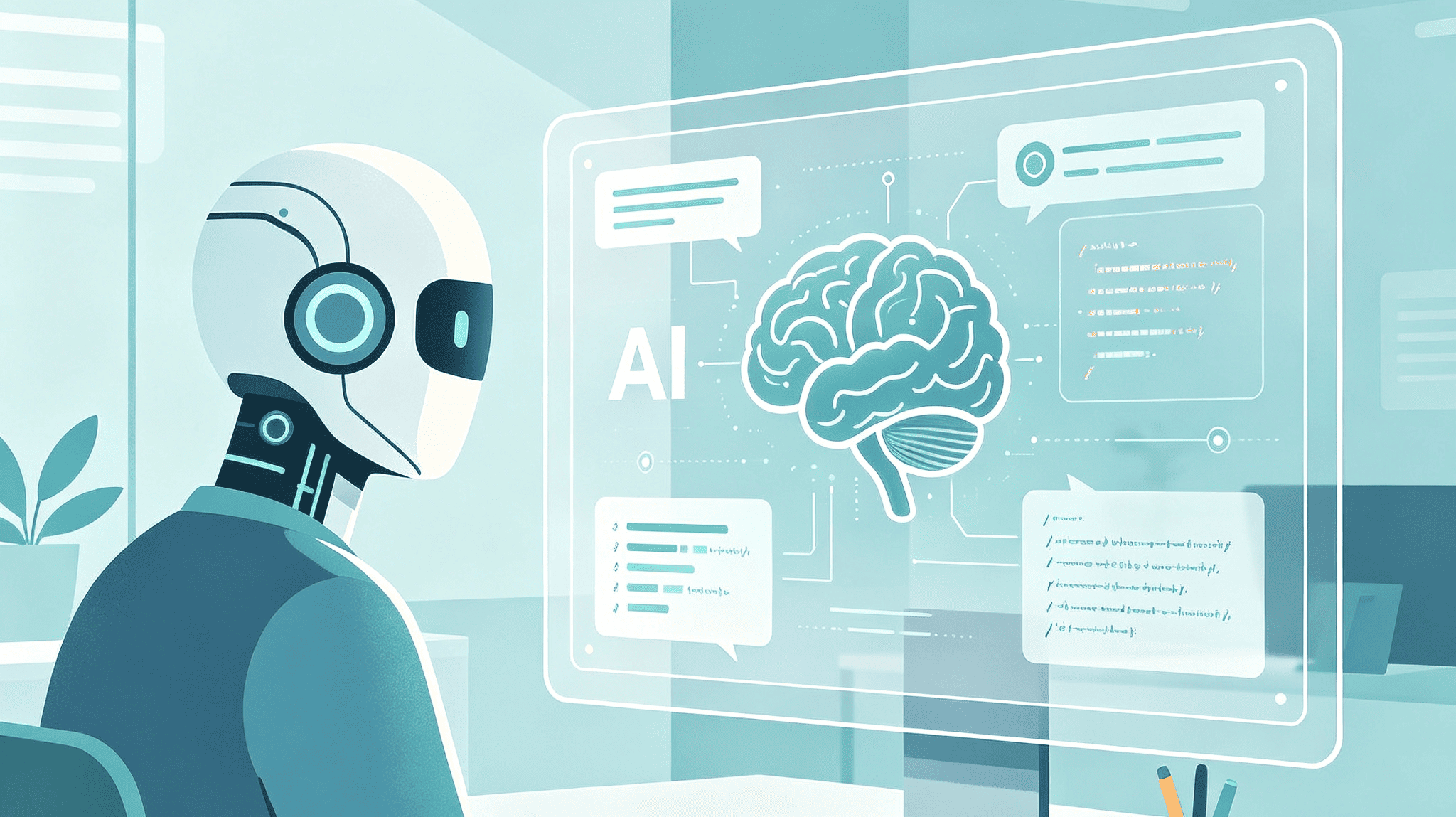
The heart of the 2025 experience is Magic Studio. This is not just a collection of experimental buttons but a deeply integrated AI layer that assists at every stage of the creative process. In our testing of the latest iteration, the AI feels more intuitive, moving from simple generation to contextual understanding of a user’s brand and intent.
Magic Media and Generative Art
Magic Media has evolved into a powerhouse for visual content creation. It utilizes the underlying technology from the Leonardo AI acquisition to produce images and videos that rival dedicated generative platforms. Users can input a text prompt and choose from a variety of styles, including 3D renders, cinematic photography, and minimalist vectors.
What sets this apart in 2025 is the "Style Reference" feature. Instead of hoping the AI guesses your aesthetic, you can upload an existing brand image, and the AI will match the lighting, color palette, and texture of the new generation to that reference. In practical terms, this means a marketing team can generate a dozen consistent social media assets in minutes rather than hours of manual retouching.
Magic Write and Brand Voice Consistency
Writing for business requires a specific tone, and Magic Write has been updated to master this. The "Brand Voice" engine allows organizations to upload their style guides or sample blog posts. Once established, the AI ensures that every piece of copy—from a caption for a small graphic to a full-length report—adheres to that specific personality.
During our assessment of long-form content generation, we noticed that Magic Write now handles complex structures better than previous versions. It can outline a document based on a single goal and then fill in sections with data-backed insights, provided the user gives it access to their internal datasets within the platform.
Beyond Graphics with Canva Sheets and Canva Code
Perhaps the most surprising shift in 2025 is the platform’s entry into data and development. By introducing Canva Sheets and Canva Code, the platform is signaling that it wants to be the primary interface for all digital work.
Transforming Data with Canva Sheets
Canva Sheets is not a traditional spreadsheet in the mold of Excel. Instead, it is a "visual first" data tool. While it supports standard formulas and functions, its primary strength lies in its ability to instantly turn raw numbers into presentation-ready visuals.
In a typical workflow, you can import a CSV file, and the platform will automatically suggest the most effective chart types based on the data structure. The integration is seamless; a change in the spreadsheet reflects instantly across any linked presentation or infographic. This eliminates the tedious process of exporting charts as static images and re-uploading them whenever the numbers change.
Low Code Development with Canva Code
Canva Code serves as an AI coding assistant designed for non-developers. It allows users to build interactive elements within their designs or websites using natural language. For example, a user could type, "Create a functional shipping calculator for my website," and Canva Code will generate the necessary logic and UI components.
This feature is built on a proprietary LLM optimized for web technologies like HTML5 and CSS3. For small business owners who cannot afford a dedicated web developer, this provides a level of interactivity that was previously out of reach. It bridges the gap between a static design and a functional digital product.
Professional Grade Design through Affinity Integration
For years, professional designers dismissed the platform because it lacked vector precision and advanced typography controls. The 2025 integration of Affinity technology has changed that narrative. Users now have access to "Pro Mode" within the editor, which unlocks features such as:
- Advanced Path Editing: Precise control over anchor points and curves for custom logo design.
- CMYK Support: Essential for high-end print production, ensuring that colors on the screen match the final printed product.
- Layer States and Non-Destructive Filters: Allowing for complex photo manipulation without losing the original data.
This hybrid approach allows a design lead to create a master asset in Pro Mode, which can then be used by the rest of the marketing team in the standard "Easy" interface. It creates a collaborative bridge between professionals and laypeople that didn't exist before.
Collaboration and Enterprise Solutions for Modern Teams
The platform’s growth is increasingly driven by its Enterprise features. In 2025, the focus is on "Content Governance." Large organizations struggle with maintaining brand consistency across thousands of employees. The platform solves this through sophisticated Brand Kits and Approval Workflows.
Real Time Collaboration and Whiteboarding
The Whiteboard tool has become an essential hub for remote teams. With an infinite canvas, teams can brainstorm in real-time. The 2025 update introduced "Smart Connectors" and "AI Sorting," which can take a chaotic jumble of digital sticky notes and automatically group them by topic or sentiment.
One feature that stands out in daily use is the "Timer and Music" integration, which helps facilitate structured workshops. When a brainstorming session ends, the "Summary" tool can convert the entire whiteboard into a structured Doc or a set of action items, saving hours of manual transcription.
Security and Data Sovereignty
As an enterprise-grade tool, security is a high priority. Following lessons learned from past industry-wide challenges, the platform now offers robust SSO (Single Sign-On), SCIM provisioning, and data residency options. For industries like healthcare or finance, the ability to control where data is stored is a critical factor in adoption. The 2025 Enterprise plan includes an "Audit Log" that allows administrators to track every change made to a sensitive document, providing a level of transparency required for regulatory compliance.
Choosing the Right Plan for Your Needs
Navigating the pricing tiers is straightforward, but it is important to understand which features are locked behind the paywall.
- Free Plan: Best for individuals and students. It offers a surprising amount of storage and access to millions of templates. However, AI features like Magic Media are limited by a monthly "credit" system.
- Canva Pro: Ideal for freelancers and solo entrepreneurs. This plan unlocks the full Brand Kit, Magic Switch (the ability to resize designs instantly), and unlimited use of most AI tools.
- Canva for Teams: Designed for small to medium businesses. It adds collaboration tools, approval workflows, and centralized brand management.
- Canva Enterprise: For large organizations. This includes dedicated support, advanced security features, and custom training for employees.
For most professional users, the Pro plan remains the "sweet spot" for value, especially considering the time saved by the AI tools.
Summary and Conclusion
Canva in 2025 is no longer just a "design tool"; it is a comprehensive AI-driven productivity ecosystem. By integrating document editing, data management, and professional design capabilities into a single, intuitive interface, it has redefined how visual communication happens in the workplace.
The key takeaways for users in 2025 are:
- AI is Everywhere: Magic Studio has transitioned from a gimmick to a necessary assistant that handles the heavy lifting of generation and formatting.
- Convergence is Key: The introduction of Sheets and Code means you can stay within one platform for a much larger portion of your project lifecycle.
- Scalability: With the inclusion of Affinity-grade tools and Enterprise security, the platform is now as suitable for a professional designer at a Fortune 500 company as it is for a student making a school project.
As the platform continues to evolve, its greatest strength remains its core philosophy: making design accessible. Even with the addition of complex tools like AI coding and vector paths, the interface remains remarkably clean and easy to navigate.
Frequently Asked Questions
What is the difference between Canva and traditional software like Adobe?
While Adobe tools are specialized for high-end professional production (like Photoshop for raster editing or InDesign for complex layout), this platform focuses on speed, ease of use, and collaboration. In 2025, the gap is narrowing due to the Affinity integration, but this platform remains much more accessible for non-designers.
Is Canva Sheets a full replacement for Google Sheets or Excel?
Not for complex financial modeling or massive database management. Canva Sheets is designed for "Visual Data." It is best used for creating reports, presentations, and dashboards where the visual clarity of the data is more important than deep computational power.
How does the AI protect my data?
The platform has implemented "Private AI" protocols for its Enterprise users. This ensures that the data you input into Magic Write or the images you generate are not used to train the global model, keeping your intellectual property secure.
Can I use the platform offline?
While there are desktop apps for Windows and macOS, the platform is fundamentally cloud-based. You need an internet connection to access the asset library and the AI features of Magic Studio. However, some basic editing of downloaded files is possible in the desktop versions.
Does the platform support video editing?
Yes, the 2025 video editor includes AI-powered "Magic Animate," which automatically applies transitions and motion to your clips based on the mood of the background music. It also supports 4K export and multi-track audio editing.