Home
Home
Why Professional Team Building Trainers Are Essential for High Performing Teams

Team building trainers serve as the strategic architects of organizational culture, far transcending the role of a simple event coordinator. While an event planner might organize a pleasant dinner or a bowling night, a professional team building trainer—often categorized as a facilitator or organizational consultant—is focused on measurable behavioral change and psychological safety. Their mission is to bridge the strategic gap between a dysfunctional group and a high-performing unit by utilizing structured experiences that address underlying interpersonal dynamics.
Defining the Role of a Modern Team Building Trainer
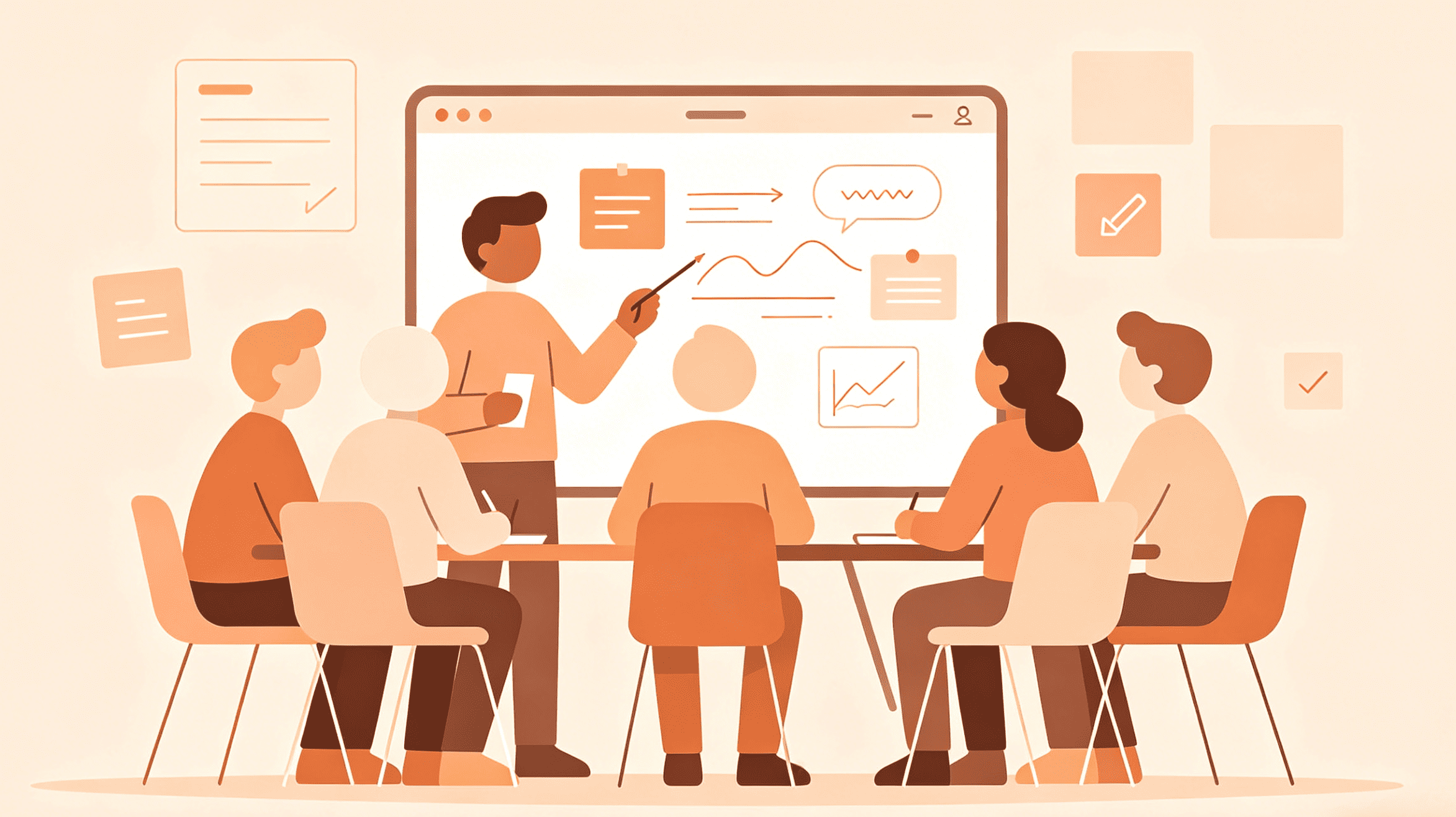
A professional team building trainer is a specialist trained to diagnose group friction and design interventions that foster trust, communication, and alignment. The distinction lies in the intent. When a group of colleagues goes to an escape room together, it is a social outing. When a trainer takes that same group through an escape room and then facilitates a 60-minute "debrief" on leadership roles, communication silos, and pressure management, it becomes a team-building intervention.
The value of these professionals is rooted in their ability to act as a mirror for the organization. They see the patterns that internal employees are too close to recognize or too hesitant to voice. By creating a temporary, controlled environment, they allow teams to experiment with new behaviors—such as radical candor or collaborative problem-solving—without the immediate stakes of a quarterly deadline or a performance review.
The Core Methodology of Effective Team Facilitation
Professional trainers do not operate on intuition alone; they follow a rigorous cycle of intervention that ensures the time spent out of the office translates into productivity in the office.
Diagnosing Organizational Friction Points
The process begins long before the actual session. A high-level trainer starts with a discovery phase. This involves interviewing leadership, reviewing employee engagement data, and sometimes conducting pre-session surveys like the Team Diagnostic Survey or the Myers-Briggs Type Indicator (MBTI). The goal is to identify whether the team’s primary hurdle is a lack of trust, unclear role definition, or deep-seated conflict between specific departments. Without this diagnosis, any activity is merely a "band-aid" on a systemic wound.
Designing Immersive and Tailored Experiences
Once the problem is identified, the trainer curates or designs activities that force the team to confront those specific issues. For example, if a team struggles with "siloed thinking," a trainer might design a simulation where different sub-groups hold different pieces of information necessary for a singular success. The experience is designed to be challenging but solvable, pushing the group into a state of "productive discomfort" where learning occurs.
Facilitating Dialogue and Psychological Safety
The actual facilitation is where the trainer’s expertise is most visible. They must manage the "energy" of the room, ensuring that dominant voices do not drown out introverted contributors. A crucial part of this role is creating psychological safety—the belief that one will not be punished or humiliated for speaking up with ideas, questions, or mistakes. Trainers use specific techniques to "call out" healthy conflict while "shutting down" toxic personal attacks, effectively teaching the team how to argue constructively.
The Critical Debrief: Turning Activities into Action
The debrief is arguably the most vital stage. This is where the trainer asks the difficult questions: "Why did we fail the first three attempts?" "Who was the silent leader?" "How does our behavior during this game reflect our behavior in Monday morning meetings?" By connecting the metaphor of the activity to the reality of the workplace, the trainer ensures that the lessons are not forgotten the moment the group leaves the room.
Why External Facilitators Outperform Internal Managers
Many organizations attempt to save costs by having an HR manager or a Department Head lead team-building sessions. However, this often leads to a "bottleneck of honesty."
Neutrality and the Elimination of Office Politics
An internal facilitator is part of the system they are trying to fix. They have histories, biases, and hierarchical positions that inevitably influence the room. An external team building trainer enters as a neutral third party. They have no "skin in the game" regarding office politics, allowing them to ask uncomfortable questions that an employee might fear would jeopardize their career. They can challenge the CEO or call out a toxic manager with a level of objectivity that no internal staff member can replicate.
Specialized Methodologies and Behavioral Frameworks
Professional trainers bring a "toolbox" that has been refined across dozens of different companies. They are often certified in frameworks such as Patrick Lencioni’s "The Five Dysfunctions of a Team" or the "Belbin Team Roles." These models provide a shared language for the team. Instead of saying "John is being difficult," the team can say "We are currently experiencing a lack of commitment due to an absence of healthy conflict." This shift from personal criticism to framework-based analysis is transformative.
Diverse Styles and Specializations in Team Building
The "best" trainer is not a universal standard but a matter of cultural fit. The industry has evolved into several specialized niches, each bringing a different energy to the table.
The Military and Leadership Perspective
Some trainers, such as former fighter pilots or special forces officers, focus on high-stakes accountability and the "wingman" philosophy. These sessions are often high-intensity and focus on mission clarity, decentralized command, and the seven principles of cooperation. This style works exceptionally well for sales teams or departments undergoing rapid, high-pressure transitions.
The Creative and Improv Approach
Utilizing tools from improvisational comedy, some facilitators focus on "Yes, And" thinking. This approach is designed to break down ego barriers and foster rapid innovation. It forces participants to be present, listen actively, and build on each other's ideas without judgment. For creative agencies or R&D departments, this can be the key to unlocking stagnant brainstorming processes.
The Analytical and Process-Oriented Style
Consultants with backgrounds in firms like McKinsey or with PhDs in organizational psychology often take a data-driven approach. Their sessions are less about "energy" and more about "alignment." They use peer-reviewed tests that can predict a team's effectiveness with high accuracy and spend time breaking down decision-making into manageable components. This is ideal for engineering or finance teams that value logic and evidence over emotional appeals.
The Relationship and Empathy Focus
These trainers focus on the "human" element of work. They use storytelling, appreciative inquiry, and vulnerability-based exercises to build deep trust. The goal is to see the person behind the job title. When team members understand each other’s personal motivations and life hurdles, the friction in daily collaboration often dissolves.
How to Vet and Hire the Right Team Building Trainer
Selecting a trainer should be treated with the same rigor as hiring a C-suite executive. A poor fit can actually increase cynicism within the team.
Define the "Why" Before the "Who"
Before reaching out to facilitators, the leadership must define the specific problem. "We want to have fun" is an event request. "We need to resolve the communication lag between our remote engineering team and our local product team" is a training request. The more specific the objective, the easier it is to find a specialist who has solved that exact problem before.
Evaluate Their Facilitation Style
Ask for a sample of their work or a detailed description of a previous intervention. Does their energy match your company culture? A "high-octane" motivational speaker might alienate a team of introverted data scientists, while a "process-heavy" academic might bore a high-energy sales force. A great trainer will ask more questions about your team during the initial call than they will spend talking about their own credentials.
Check for Post-Session Support
Behavioral change does not happen in a single day. Inquire about their follow-up process. Do they provide a "mission debrief" report? Do they offer follow-up coaching sessions or check-ins three months later? The best trainers view themselves as partners in your long-term growth, not just one-day vendors.
What to Expect During a Professional Team Building Engagement
A typical professional engagement follows a structured timeline designed to maximize ROI:
- The Discovery Call (Week 1): The trainer interviews the key stakeholders to understand goals and obstacles.
- The Assessment Phase (Week 2): Team members may complete confidential surveys or personality assessments.
- The Custom Design (Week 3): The trainer presents a plan that includes specific activities, timing, and expected outcomes.
- The Session (The Event): A 4-hour to 2-day immersive experience.
- The Integration (Post-Session): A report detailing the observations, the team's self-identified commitments, and recommendations for leadership to sustain the momentum.
Frequently Asked Questions About Team Building Trainers
Can team building trainers help with remote or hybrid teams?
Yes. Modern facilitators have adapted their toolkits for the digital age. They use specialized platforms (like Miro or virtual escape rooms) and focus on the unique challenges of "digital body language," asynchronous communication, and the loss of "watercooler" moments. Virtual facilitation often requires shorter, more frequent sessions to combat "Zoom fatigue."
What is the typical ROI of hiring a professional trainer?
While "culture" feels soft, the metrics are hard. Organizations that invest in professional team development often see a decrease in employee turnover, a reduction in project delay times (due to improved communication), and higher scores in employee engagement surveys. The cost of a professional trainer is almost always lower than the cost of replacing a single high-value employee who leaves due to a toxic team environment.
How much do team building trainers cost?
Pricing varies wildly based on experience, location, and the size of the group. Freelance facilitators might charge a day rate, while established consulting firms might charge a project fee that includes assessments and follow-up. It is important to view this as an investment in "Human Capital" rather than a "Marketing Expense."
How do trainers handle "resistant" team members?
Professional facilitators are trained in conflict de-escalation. They expect resistance, especially from long-tenured employees who have seen "fads" come and go. A skilled trainer doesn't force participation but instead creates an environment where the value of the activity becomes self-evident. They often use the resistance itself as a teaching moment for the rest of the group.
Summary: Investing in Your Human Capital
The modern workplace is more complex than ever, with remote work, diverse cultural backgrounds, and high-pressure market cycles creating constant friction. Team building trainers are the lubricant that keeps the organizational machine running smoothly. By moving beyond "fun" and into the realm of "functional," these professionals provide teams with the psychological tools necessary to navigate conflict, build unwavering trust, and align around a singular vision.
Choosing to hire a professional facilitator is a signal to your employees that you value their experience and their growth. It is an acknowledgement that while individual talent is important, the "connective tissue" between those talents is what ultimately determines the success or failure of the enterprise. Whether your team is in a state of crisis or simply looking to move from "good" to "great," a professional team building trainer offers the external perspective and structured methodology needed to unlock their full potential.
-
Topic: 16 Team Building Consultants and Coaches for Hirehttps://teambuilding.com/en/guides/team-building/team-building-consultants
-
Topic: Team Building Training Workshops in Mumbaihttps://www.mathewthomas.in/team-building-training-workshops/
-
Topic: 18 Top Team Building Facilitatorshttps://teambuilding.com/en/guides/team-building/team-building-facilitators