Home
Home
Why Midjourney V7 Remains the Unrivaled Standard for Text to Image AI
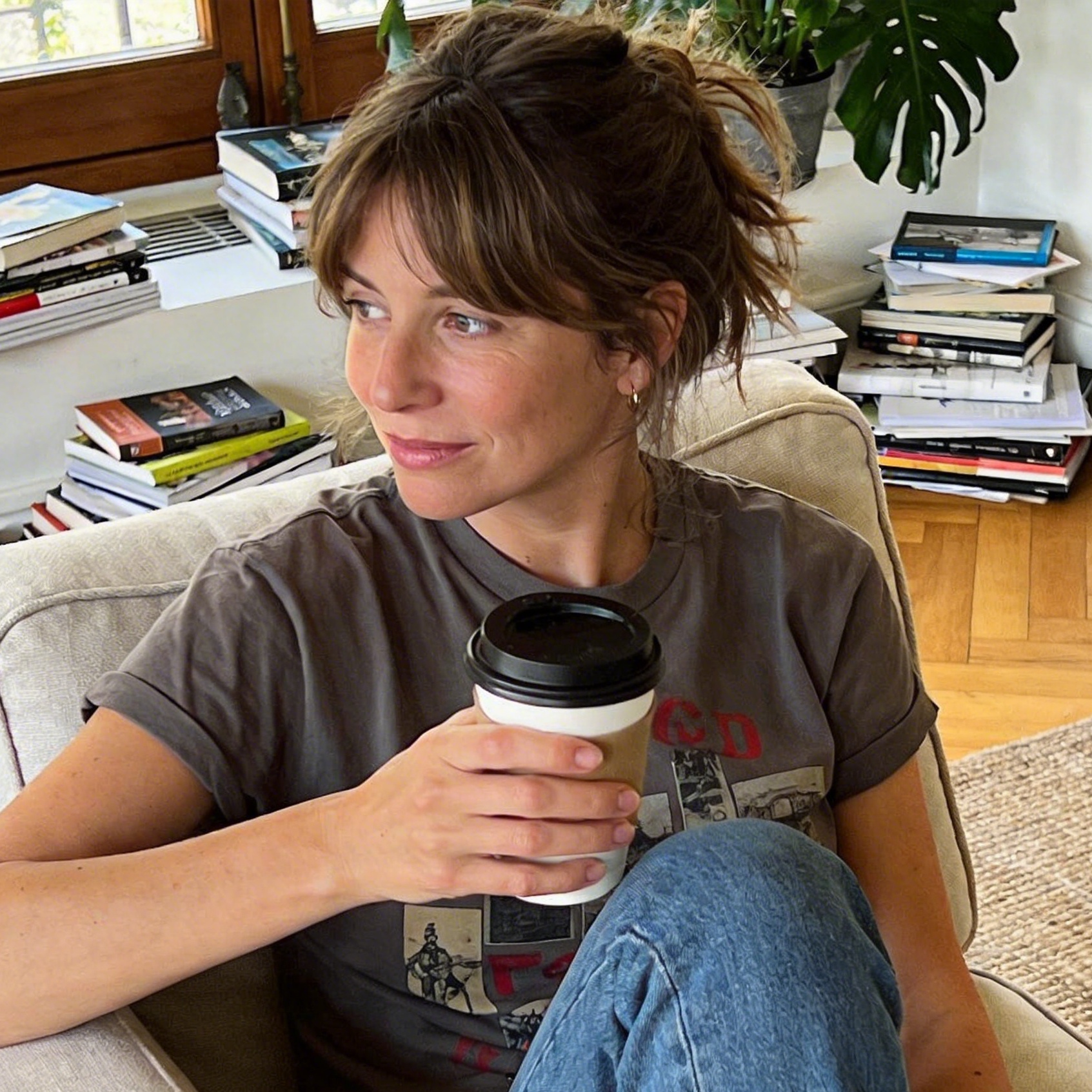
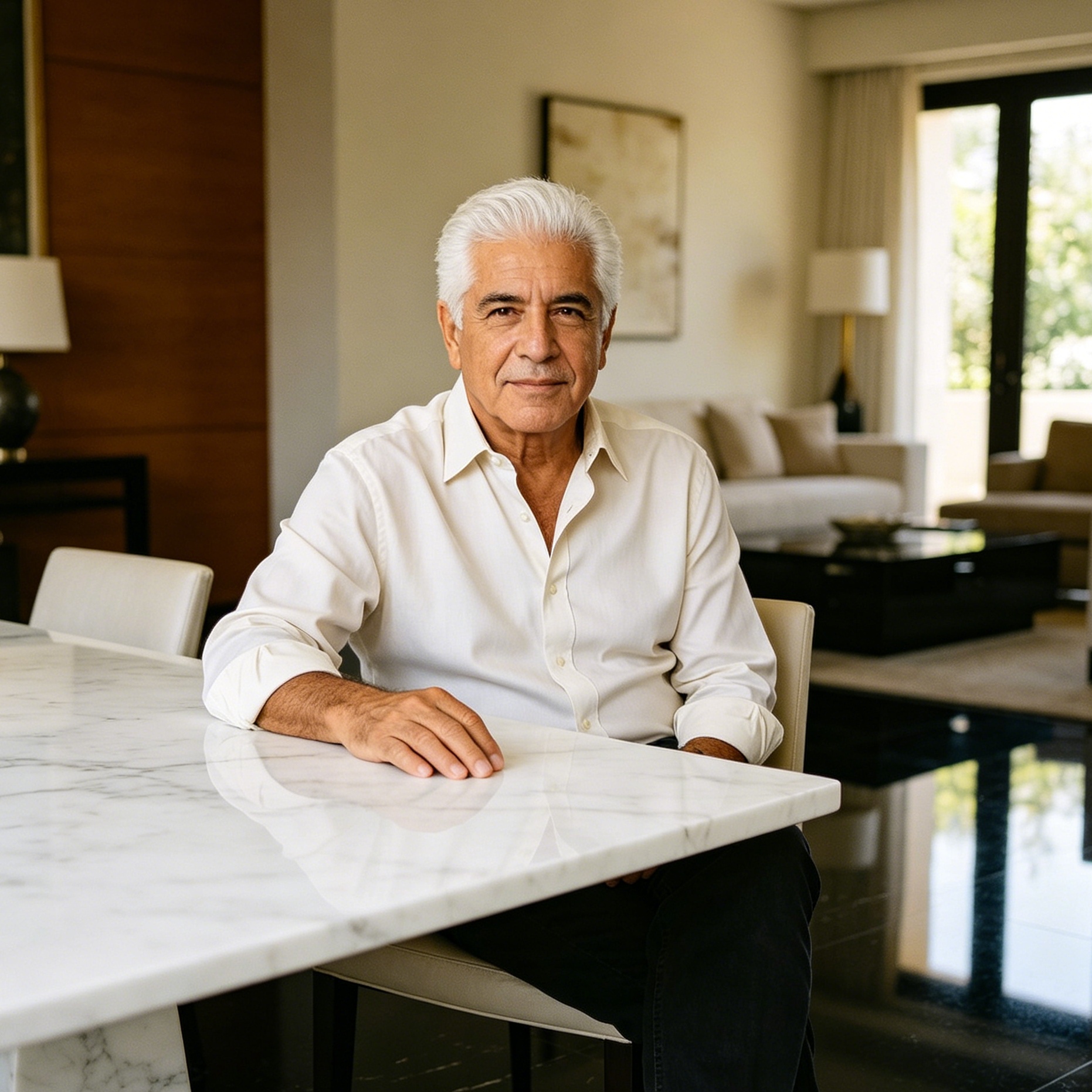
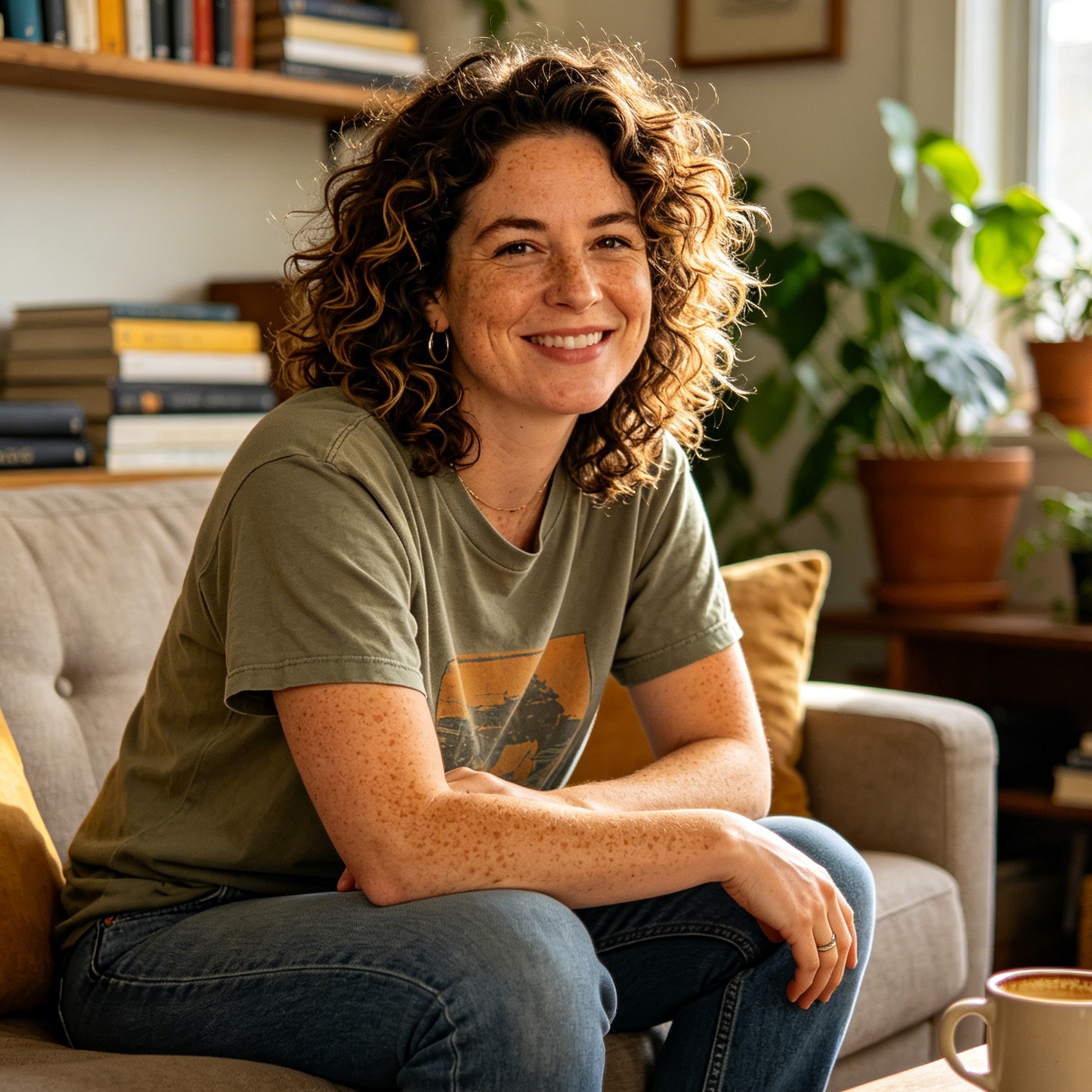
Midjourney has solidified its position as the premier generative artificial intelligence tool for transforming natural language descriptions into high-fidelity visual art. Since its inception as an independent research lab led by David Holz, the platform has consistently outperformed industrial giants by prioritizing aesthetic intuition over mere clinical accuracy. In 2025, the release and stabilization of the V7 model have pushed the boundaries of what is possible, moving beyond basic image synthesis into the realm of hyper-realistic cinematography and precise typographic integration.
The fundamental appeal of Midjourney lies in its ability to interpret human intent through a sophisticated understanding of lighting, composition, and texture. Unlike competitors that often produce a recognizable "AI sheen," Midjourney creates images that feel grounded in the history of photography and classical art. This distinction is not accidental; it is the result of a specialized training process that emphasizes stylistic diversity and artistic nuance.
The Technical Evolution of the Diffusion Model
At its core, Midjourney utilizes a latent diffusion model, a generative technique that has become the benchmark for high-end image synthesis. The process begins not with an image, but with a canvas of pure Gaussian noise. Through an iterative denoising process, the AI systematically removes random pixels to reveal the underlying structure guided by the user's text prompt.
In the current V7 ecosystem, this denoising process is significantly more efficient than in earlier iterations. The model operates within a reduced dimensional "latent space," allowing for faster computations and higher resolution without overwhelming hardware requirements. The interaction between the text encoder (based on Transformer architecture) and the image generator ensures that complex phrases like "the golden hour glow reflecting off a rain-slicked cobblestone street" are parsed with high semantic accuracy.
The integration of Contrastive Language-Image Pre-training (CLIP) technology allows Midjourney to bridge the gap between human language and visual patterns. It doesn't "search" for images; it understands the visual relationship between concepts. When a user requests a "cyberpunk aesthetic," the AI recognizes a vast web of associated traits: neon lighting, high-contrast shadows, futuristic architecture, and specific color palettes like cyan and magenta.
Navigating the Professional Web Interface
While Midjourney gained fame through its Discord-based bot, the transition to a dedicated web interface at midjourney.com has revolutionized the professional workflow. For creative directors and digital artists, the web app offers a level of organizational clarity that was previously impossible within the chaotic scrolling of a chat room.
The "Create" page serves as the primary hub for generation. The "Imagine Bar" at the top is no longer just a text box; it is an intelligent interface where users can drag and drop images to be used as references. The real-world efficiency of this layout cannot be overstated. When working on a commercial project, the ability to see a grid of generations alongside history filters allows for rapid iteration and selection.
One of the most significant upgrades in the web interface is the "Editor" tool. This allows for seamless inpainting and outpainting. If a generated portrait is perfect but the subject's clothing needs a color change, the region-vary tool enables precise modifications without altering the rest of the image. This granular control has turned Midjourney from a "lucky dip" tool into a precision instrument for professional asset creation.
The Professional Grammar of Prompt Engineering
Achieving elite results with Midjourney text to image ai requires more than just descriptive sentences; it requires an understanding of the tool's internal hierarchy. A well-structured prompt typically follows a logical flow: Subject -> Action/Context -> Environment/Lighting -> Stylistic Modifiers -> Technical Parameters.
The Role of Subject and Context
The subject should be the most prominent element. In our testing, being overly verbose can sometimes confuse the model's focus. For instance, "a cat" is too vague, but "a majestic Maine Coon cat perched on a mahogany library ladder" provides enough specific visual anchors for the AI to build a coherent scene. The V7 model handles plural subjects and complex interactions much better than V6, allowing for distinct characters within a single frame.
Mastering Lighting and Atmosphere
Lighting is the secret sauce of Midjourney. Professional creators often use cinematic lighting terms to dictate the mood. Terms like "volumetric lighting," "rim lighting," or "Chiaroscuro" tell the AI how to wrap light around 3D forms. In a studio setting simulation, using "softbox lighting" or "Rembrandt lighting" will yield results that look like they were captured by a professional photographer.
Technical Parameters and Fine-Tuning
Parameters are the command-line tools that sit at the end of a prompt, denoted by double dashes. They provide instructions that words alone cannot convey.
- Aspect Ratio (
--ar): Essential for matching the output to the intended medium, whether it is 16:9 for cinematic stills or 9:16 for social media content. - Stylize (
--s): This parameter controls how much of the Midjourney "house style" is applied. A low value (e.g.,--s 50) results in a more literal interpretation of the prompt, while a high value (e.g.,--s 750) allows the AI more creative liberty, often resulting in more artistic but less precise compositions. - Chaos (
--c): This introduces variation among the initial four images. High chaos is excellent for brainstorming and finding unexpected directions.
Style and Character Consistency in 2025
The biggest hurdle for AI art has historically been consistency—the ability to generate the same person or style across different scenes. Midjourney solved this with the introduction of --sref (Style Reference) and --cref (Character Reference).
Using Style Reference for Brand Identity
By using the --sref command followed by a URL of an existing image, users can force the AI to adopt the color palette, brushwork, and overall "vibe" of that source. For a marketing campaign, this ensures that every visual asset feels part of a cohesive brand story. Our experience shows that you can even blend multiple style references to create a unique, hybrid aesthetic that is difficult to replicate.
Character Reference for Narrative Continuity
The --cref parameter is a breakthrough for concept artists and storytellers. By referencing a specific character image, the AI maintains the facial features, hair, and build of that character across various environments. While not 100% perfect in every generation, it significantly reduces the need for manual retouching in Photoshop, allowing for the rapid production of storyboards or graphic novels.
Strategic Comparison of Subscription Plans
Midjourney transitioned to a paid-only model to sustain its high-performance GPU clusters. Choosing the right plan is a matter of volume and privacy requirements.
- Basic Plan ($10/month): Best for hobbyists. It offers roughly 200 generations per month. It is a low-cost entry point to learn the syntax and explore the tool's capabilities.
- Standard Plan ($30/month): The "sweet spot" for most users. It includes 15 hours of Fast GPU time and unlimited "Relax Mode" generations. Relax mode is perfect for personal projects where immediate delivery isn't critical.
- Pro Plan ($60/month): Targeted at professional freelancers and small agencies. The key feature here is "Stealth Mode," which allows users to generate images privately. Without this, your generations are visible in the public community gallery.
- Mega Plan ($120/month): Designed for high-volume studios. It provides 60 hours of Fast GPU time and the ability to run multiple generation jobs simultaneously without hitting a bottleneck.
Practical Use Cases Across Industries
Midjourney is no longer just for creating "cool art." it has integrated into high-level business workflows.
Architectural Visualization
Architects use Midjourney to brainstorm facade designs and interior layouts. By prompting with specific materials like "brutalist concrete" or "sustainable timber," they can generate dozens of mood boards in minutes. The V7 model's improved understanding of spatial geometry means that these images often serve as more than just inspiration—they become the foundation for 3D modeling.
Advertising and Marketing
Agencies utilize Midjourney for rapid prototyping. Instead of hiring a photographer and a crew for a pitch, they generate high-fidelity mockups of the product in exotic locations. The ability to render text within images—a feature perfected in the latest versions—allows for the creation of near-final ad copy visuals where the text is integrated naturally into the environment.
Game Development and Concept Art
For indie game developers, Midjourney is a force multiplier. It allows them to generate character concepts, environmental textures, and UI elements at a fraction of the traditional cost. The "Describe" feature is particularly useful here; users can upload an existing game asset, and the AI will suggest text prompts that replicate its style, helping maintain consistency across a large library of assets.
Ethical Considerations and the Future of AI Art
As Midjourney becomes more powerful, the conversation around AI ethics intensifies. The training data for these models is sourced from the open web, which has led to debates regarding artist compensation and copyright. Midjourney has taken a stance of being a tool for "ideation," encouraging users to use the AI as a collaborator rather than a replacement.
In 2025, the platform has implemented more robust filters to prevent the creation of misleading or harmful content. However, the responsibility remains with the user to ensure that the generated images are used ethically, especially in the context of commercial copyright. Currently, images generated on Midjourney are owned by the subscriber (subject to plan terms), but the legal landscape regarding AI-generated copyright is still evolving globally.
Summary of the Midjourney Advantage
Midjourney remains the industry leader in text to image AI because it understands that art is more than just a collection of pixels—it is about mood, intent, and style. The V7 model has addressed the technical shortcomings of its predecessors, offering better hand structures, more realistic skin textures, and superior prompt adherence. Whether accessed through the streamlined Web interface or the community-rich Discord server, Midjourney provides a level of creative control that empowers both novices and seasoned professionals.
FAQ
What is the best version of Midjourney to use right now? The V7 model is currently the default and provides the highest quality in terms of texture and coherence. However, some users still prefer V4 for its unique, more abstract "dream-like" qualities in certain artistic prompts.
Can I use Midjourney for free? As of 2025, Midjourney does not offer a free trial. You must subscribe to one of the four plans to generate images, though you can browse the community gallery for free.
How do I get text to look right in my images? To render specific text, put the words in double quotation marks, such as "a neon sign that says 'Open Late'". The V7 engine is highly capable of rendering short phrases accurately within the image context.
What does the --niji parameter do?
The --niji flag switches the model to a specialized version trained specifically on anime and illustrative styles. It is perfect for character design and vibrant, stylized artwork that differs from the standard photographic model.
Does Midjourney own the images I create? Generally, as a paid subscriber, you own the assets you create. However, if you are a large company with over $1 million in annual revenue, you are required to have a Pro or Mega plan for commercial ownership rights.
How can I make my images look more realistic? Use specific camera and film stock terms. Prompts including "35mm lens," "f/1.8," "Kodak Portra 400," or "shot on IMAX" signal the AI to mimic the depth of field and grain of professional photography.
-
Topic: Getting Started Guide – Midjourneyhttps://docs.midjourney.com/docs/web-quick-start
-
Topic: Software For People: Generative/Parametric Aesthetics Topic Presentationhttps://arena-attachments.s3.amazonaws.com/21125646/fe6f83bd303c851b8aacda46c9c4d605.pdf?1680053067
-
Topic: Midjourney Aihttps://midjourneyai.online/