Home
Home
Why DALL-E 3 Stands Out Among Today's AI Art Generators
The landscape of digital creation underwent a fundamental shift with the introduction of generative artificial intelligence. At the forefront of this movement is DALL-E, a family of models developed by OpenAI that has transitioned from a viral experimental tool to a cornerstone of professional creative workflows. While the market is increasingly crowded with alternatives, understanding why DALL-E 3 remains a benchmark for text-to-image synthesis requires a deep dive into its architectural logic, its seamless integration with large language models, and its unique approach to user accessibility.
The Technical Foundation of DALL-E Art Generation
To appreciate the capabilities of DALL-E, one must understand the neural network structures that allow a machine to "understand" a sentence and "visualize" its meaning. Unlike simple image filters or procedural generation tools, DALL-E operates on the principles of deep learning, specifically utilizing versions of Transformer architectures and Diffusion processes.
In the earlier iterations, DALL-E functioned by predicting image tokens from text tokens, effectively treating an image like a sequence of words. However, the modern standard represented by DALL-E 3 leverages sophisticated diffusion techniques. In this process, the model starts with a field of random static (noise) and gradually refines it, guided by the text prompt, until a coherent image emerges. This refinement is not random; it is informed by training on billions of image-text pairs, allowing the model to grasp the relationship between the word "velvet" and the specific light-reflective properties of that fabric.
One of the most significant technical hurdles in AI art has been spatial awareness—the ability to place a "red cup on the left of a blue book" correctly. DALL-E 3 excels here because it utilizes a more advanced semantic understanding of prepositions and adjectives compared to its predecessors. It doesn't just recognize objects; it understands the syntax of the prompt.
From Experiment to Flagship: The Evolution of DALL-E
The journey from the original DALL-E to the current version is a narrative of rapid technological maturation.
The Original DALL-E (2021)
The first version was proof of concept. It introduced the world to "an armchair in the shape of an avocado," demonstrating that AI could combine disparate concepts. While its resolution was low and images often appeared blurred or surreal, it established the possibility of zero-shot text-to-image generation.
DALL-E 2: The Breakthrough in Fidelity (2022)
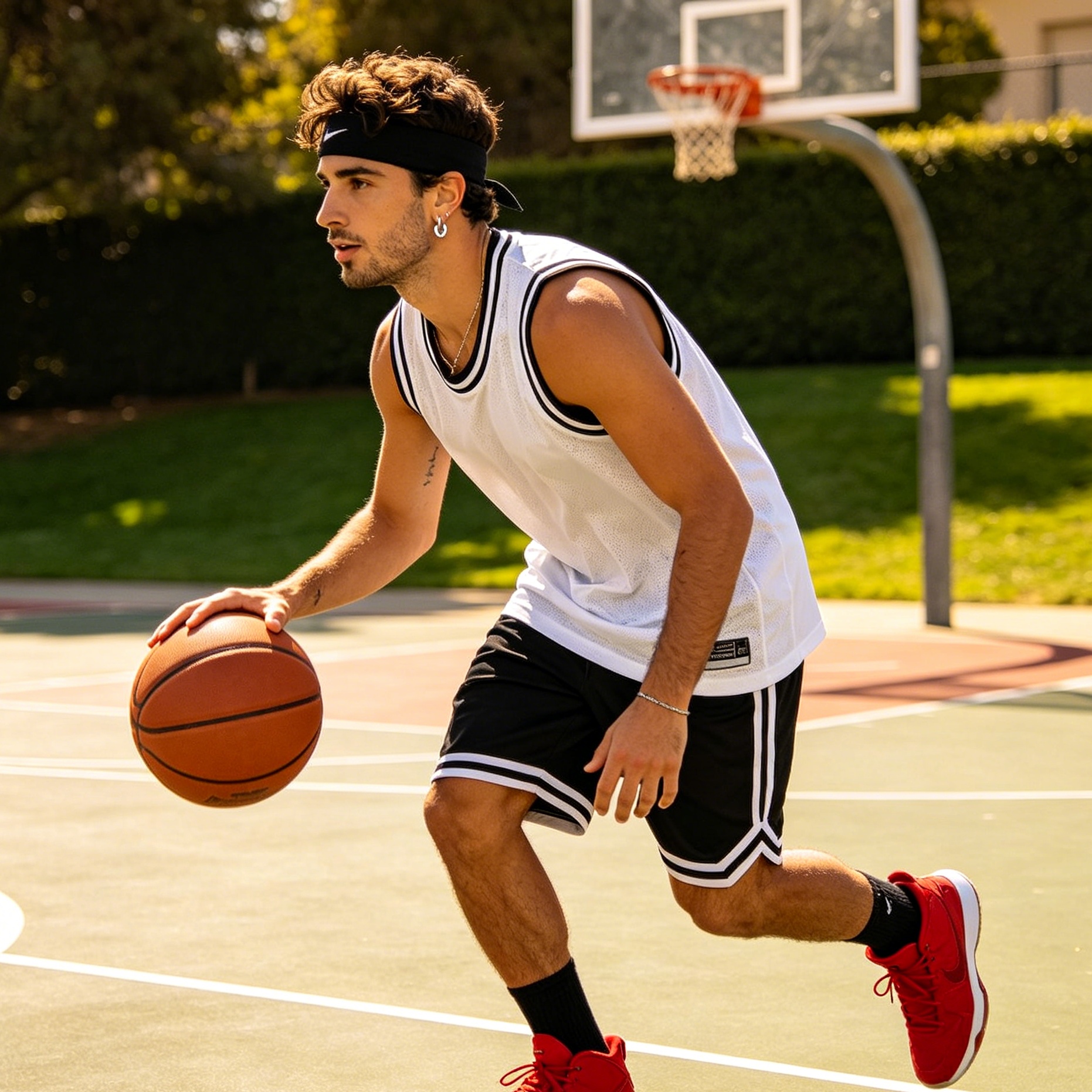
DALL-E 2 brought photorealism into the conversation. It introduced features like "Inpainting" (editing specific parts of an image) and "Outpainting" (extending the borders of an image). For the first time, creators could generate 1024x1024 images that were indistinguishable from professional photography in many contexts. However, DALL-E 2 still struggled with "prompt drift," where it would ignore parts of a long, complex description.
DALL-E 3: The Integration of Reason (2023–Present)
DALL-E 3 represents the current peak of OpenAI’s image research. The primary innovation here was not just higher resolution, but the native integration with ChatGPT. This change solved the "prompt engineering" problem. Users no longer needed to learn specialized jargon or include strings of "4k, high resolution, trending on ArtStation" to get high-quality results. DALL-E 3 understands natural, conversational language, translating a simple idea into a rich, detailed visual.
The Paradigm Shift: Ending the Era of Prompt Engineering
The most distinct advantage of DALL-E 3 over its competitors—such as Midjourney or Stable Diffusion—is its relationship with ChatGPT. In other models, the burden of being descriptive falls entirely on the user. If the user is not a skilled "prompter," the output often feels generic.
DALL-E 3 uses ChatGPT as a translator. When a user provides a short instruction like "a sad robot in a futuristic city," ChatGPT expands this into a multi-sentence prompt that describes the lighting, the texture of the robot’s metal, the architectural style of the city, and the emotional atmosphere. This collaborative brainstorming makes DALL-E the most accessible AI art generator for non-designers.
In our testing, we observed that DALL-E 3 is particularly adept at text rendering—a task that historically plagued AI models. While DALL-E 2 would produce "gibberish" text inside an image, DALL-E 3 can accurately spell specific words on storefronts, signs, and labels, making it a viable tool for graphic designers creating mockups or social media assets.
Specific Capabilities and Creative Versatility
The versatility of DALL-E extends across various artistic and technical styles. It is not limited to a specific "look," which is a common criticism of other generative models.
- Photorealistic Renders: DALL-E can simulate specific camera lenses, apertures, and lighting conditions (e.g., "Golden hour," "Soft box lighting," "35mm film grain").
- Illustration and Digital Art: From flat vector art for web design to complex oil paintings and 3D isometric renders, the model adapts its "brushstroke" to the requested medium.
- Compositional Precision: It can handle complex scenes with multiple subjects. In our practical evaluations, asking for "a group of five diverse people playing a board game in a dimly lit tavern" resulted in a composition where each character was distinct and the spatial arrangement was logical.
- Iterative Refinement: Because it exists within a chat interface, users can ask for changes. For example, "Make the robot look more rusted" or "Change the background to a desert." The model maintains the core elements of the previous image while applying the requested modifications.
Professional Applications of DALL-E in Modern Industry
DALL-E is no longer just a toy for generating funny memes; it has become a productivity multiplier across several sectors.
Advertising and Marketing
Creative agencies use DALL-E for rapid storyboarding. Instead of spending days on hand-drawn sketches for a commercial pitch, a director can generate a sequence of panels in minutes to convey the visual tone to a client. It allows for the exploration of "what if" scenarios without the cost of a full photoshoot.
E-commerce and Product Design
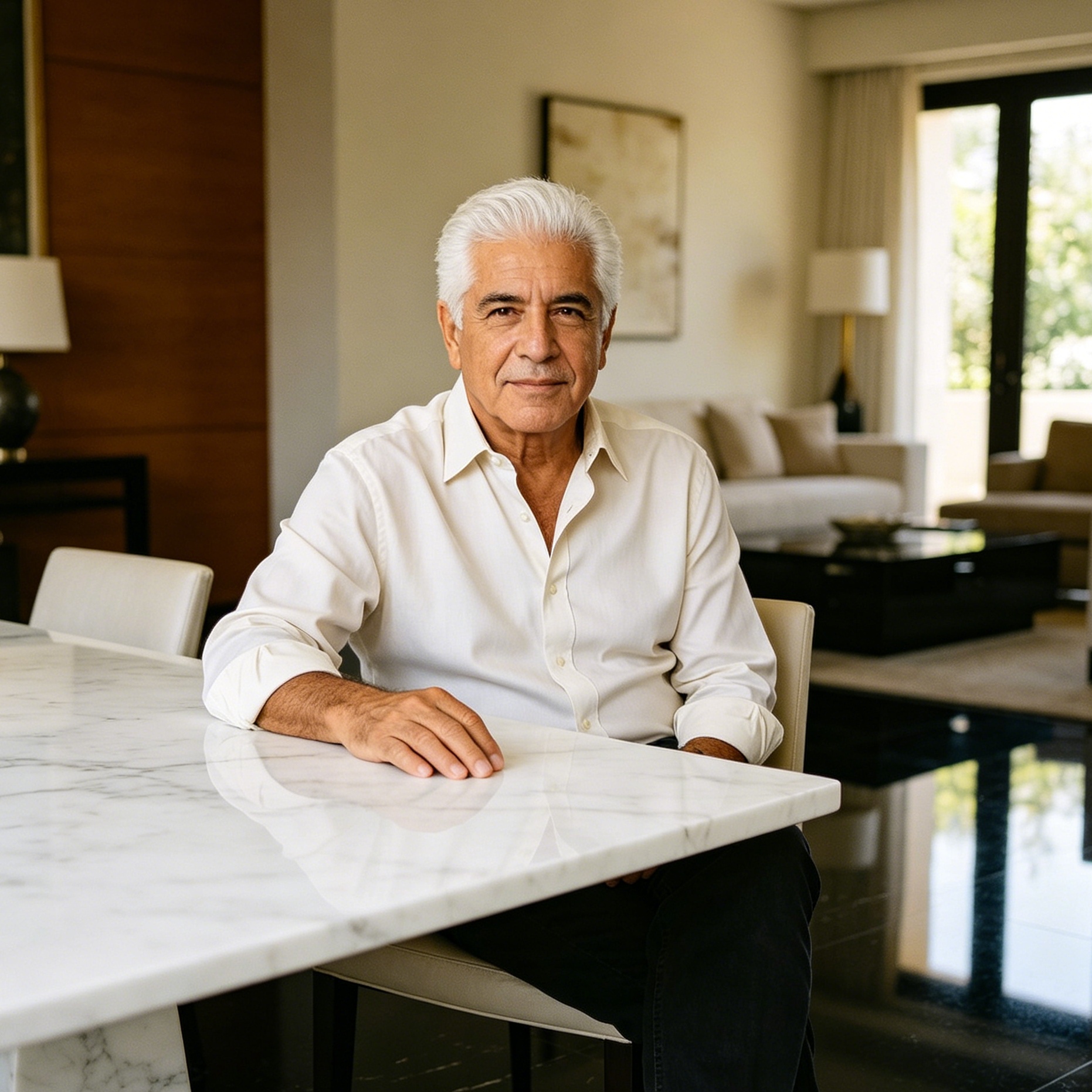
Small business owners use the tool to create lifestyle images for their products. By describing a product in a specific setting—such as "a minimalist ceramic vase on a white marble countertop with soft morning sunlight"—entrepreneurs can create high-quality marketing collateral at a fraction of the traditional cost.
Education and Training
Educators use DALL-E to create custom diagrams and historical visualizations. Explaining complex concepts like "the internal structure of a steam engine" or "a recreation of the Library of Alexandria" becomes significantly more engaging when accompanied by high-fidelity visuals that can be tailored to the specific curriculum.
Game Development and Concept Art
Indie game developers utilize the generator to build mood boards and concept art for characters and environments. While the generated image might not be the final asset used in the game, it provides a concrete starting point for 3D modelers and texture artists.
Ethical Boundaries and Safety Guardrails
As AI art has grown in power, OpenAI has implemented some of the industry’s most rigorous safety protocols. These mitigations are a critical component of why DALL-E is considered a "safe" choice for corporate environments.
- Public Figures: DALL-E 3 is programmed to decline requests to generate images of public figures. This is a vital defense against the creation of deepfakes and misinformation.
- Artist Protections: To respect the intellectual property of creators, the model is designed to decline requests for images in the style of living artists. Furthermore, OpenAI has provided "opt-out" mechanisms for creators who do not want their work used in future training sets.
- Content Filtering: The system automatically blocks prompts that attempt to generate violent, hateful, or sexually explicit content. These filters are constantly updated to detect "jailbreaking" attempts where users try to bypass safety rules with coded language.
- Provenance and Transparency: Images generated by DALL-E 3 often include C2PA metadata and digital watermarking. This helps platforms and users identify that the content was AI-generated, fostering a more transparent digital ecosystem.
Comparing DALL-E 3 to Other Major AI Generators
While DALL-E 3 is highly regarded, it exists in an ecosystem with other powerful tools. Understanding the differences is key to choosing the right tool for a specific project.
| Feature | DALL-E 3 | Midjourney | Stable Diffusion |
|---|---|---|---|
| Ease of Use | Extremely High (Chat-based) | Moderate (Discord-based) | Low (Requires technical setup) |
| Prompt Adherence | Best in Class | High | Moderate |
| Customization | Controlled by Chat | High (Parameters/Sliders) | Infinite (Open Source/LoRA) |
| Access | ChatGPT/Copilot/API | Discord Subscription | Local Install/Cloud API |
| Text Rendering | Excellent | Improving | Variable |
DALL-E 3 is the "all-rounder." While Midjourney might occasionally produce a more "artistic" or "stylized" result, and Stable Diffusion offers more granular control for technical users, DALL-E 3 wins on the accuracy of following instructions. If you ask for a very specific set of items in a specific order, DALL-E 3 is the most likely to get it right on the first try.
Strategic Tips for Maximizing DALL-E Output
Even though DALL-E 3 is designed to be easy, there are ways to improve the quality of the generated art.
Be Descriptive but Natural
You don't need to speak in keywords. Instead of saying "Dog, forest, sun, 4k," say "A golden retriever sitting peacefully in a sun-drenched pine forest, with dust motes dancing in the light." The narrative approach allows the model’s semantic engine to work more effectively.
Specify the Medium
If you want a specific look, name the medium early. Words like "watercolor," "charcoal sketch," "3D render," "macro photography," or "isometric vector art" provide the model with a clear stylistic framework.
Use ChatGPT as a Collaborator
Don't just take the first image. If it’s close but not perfect, talk to the AI. "I like the composition, but can you make the lighting more dramatic and change the character's clothing to a futuristic flight suit?" This iterative process is where DALL-E 3 truly shines.
The Future of AI Art and DALL-E
The trajectory of DALL-E suggests a future where the barrier between imagination and visual realization disappears entirely. We are moving toward a world where "visual literacy" is no longer defined by the ability to hold a brush or navigate complex software like Photoshop, but by the ability to articulate ideas clearly.
OpenAI continues to refine the model's speed and efficiency. Future iterations will likely focus on even greater consistency across multiple images (maintaining the same character in different poses) and deeper integration with video generation tools. As the models become more "context-aware," the collaborative nature of AI art will only deepen.
Frequently Asked Questions About DALL-E AI Art Generator
What is the difference between DALL-E 2 and DALL-E 3?
DALL-E 3 offers significantly higher prompt adherence and image quality. It is natively built into ChatGPT, allowing for conversational image generation, whereas DALL-E 2 required more manual prompt engineering and often ignored parts of complex descriptions. DALL-E 3 also handles text within images much better than DALL-E 2.
Is DALL-E 3 free to use?
DALL-E 3 is primarily available through paid plans like ChatGPT Plus, Team, and Enterprise. However, it can often be accessed for free through Microsoft Copilot (formerly Bing Image Creator), which uses the same underlying technology from OpenAI.
Do I own the images I create with DALL-E?
According to OpenAI's current terms, you own the images you create with DALL-E, including the right to reprint, sell, or merchandise them. However, copyright laws regarding AI-generated content are still evolving in many jurisdictions, so it is advisable to stay updated on local legal rulings.
Can DALL-E generate images of celebrities?
No. DALL-E 3 has strict safety filters that prevent the generation of images depicting public figures or famous celebrities to prevent the creation of misleading content or deepfakes.
Does DALL-E support different aspect ratios?
Yes, DALL-E 3 supports widescreen (1792×1024), vertical (1024×1792), and square (1024×1024) aspect ratios. You can specify the desired format in your prompt.
How does DALL-E handle artist copyrights?
DALL-E is designed to decline requests that ask for an image in the specific style of a living artist. OpenAI also allows creators to opt-out their images from being used to train future versions of the model.
Summary
DALL-E 3 has redefined the expectations for AI art generators by prioritizing semantic understanding and user accessibility. By bridging the gap between natural language and visual composition through its integration with ChatGPT, it has democratized high-fidelity content creation. Whether for professional storyboarding, marketing, or personal creative exploration, DALL-E provides a robust, safe, and incredibly versatile platform. As the technology continues to evolve, it remains the primary reference point for how humans and machines can collaborate to turn abstract thoughts into tangible visual reality.