Home
Home
Why Amazon Go Stores Are Closing and What It Means for Retail

The retail landscape is undergoing a significant transition as Amazon officially moves to shutter its Amazon Go and Amazon Fresh physical storefronts by early 2026. Once hailed as the future of brick-and-mortar shopping, the "Just Walk Out" pioneer is shifting its strategy from operating its own convenience stores to a licensing and integration model. While the Amazon Go brand is receding from city corners, the underlying technology continues to evolve in unexpected directions.
The Current Status of Amazon Go in 2026
As of January 2026, Amazon has initiated the final phase of closing all remaining Amazon Go locations. This decision follows a series of regional closures in 2023 that affected major markets like Seattle, New York City, and San Francisco. The company has explicitly stated that while the technological experiment yielded invaluable data, the specific economic model required for a standalone chain of high-tech convenience stores did not meet the necessary thresholds for long-scale sustainability.
For consumers, this means the familiar turnstiles and ceiling-mounted camera arrays at Amazon Go branded sites are being dismantled. However, the closure of the physical stores does not signify the death of cashierless technology. Instead, Amazon is refocusing its retail efforts on expanding the Whole Foods Market brand, refining same-day grocery delivery, and introducing new formats like the "Daily Shop" which balances automated technology with traditional retail elements.
How Just Walk Out Technology Transformed Shopping
The primary allure of Amazon Go was the "Just Walk Out" experience, a system designed to eliminate the single biggest friction point in retail: the checkout line. Understanding how this system functioned requires a look at the intersection of several high-level technological fields.
The Role of Computer Vision
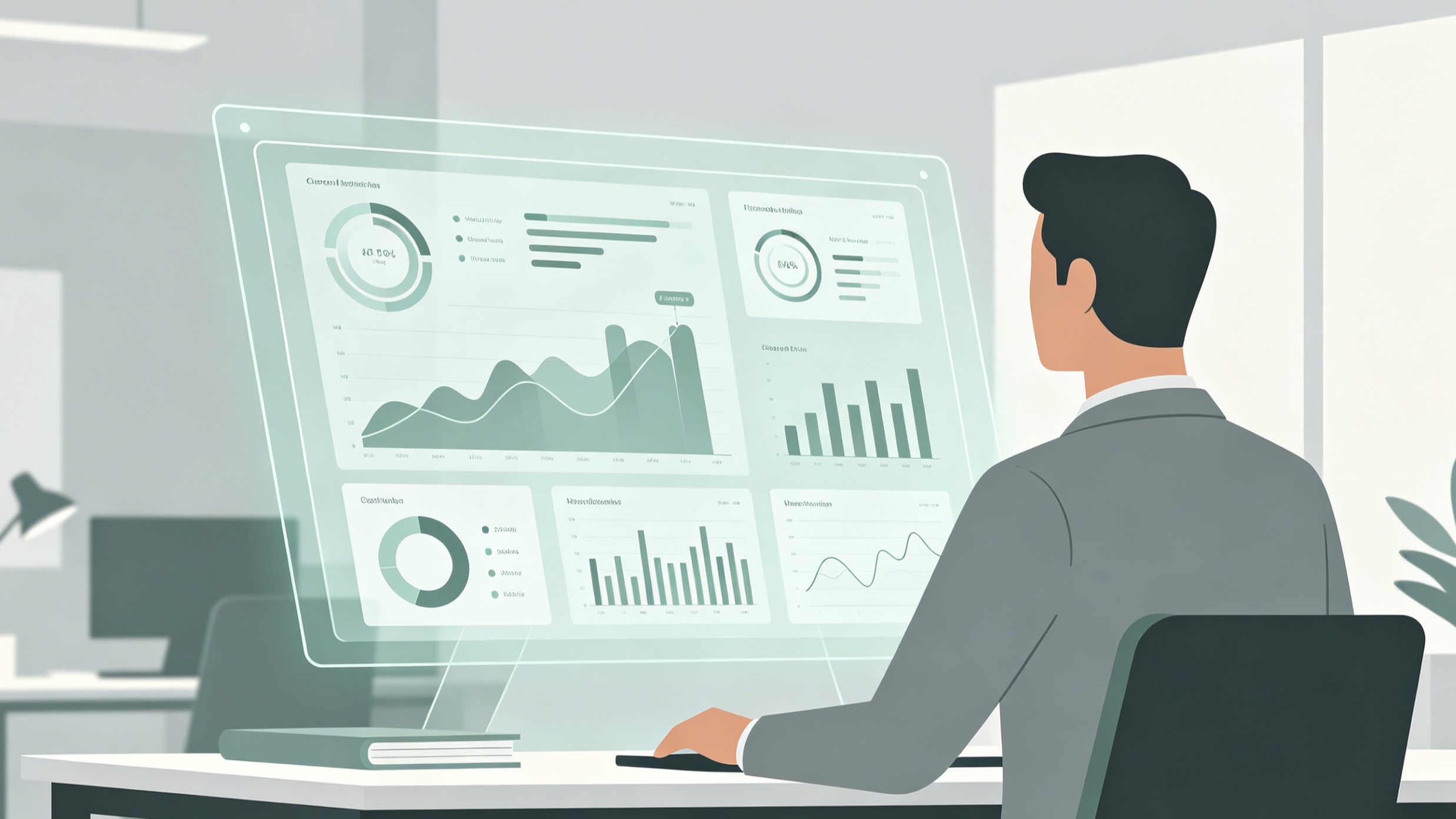
The store environment was monitored by hundreds of cameras positioned across the ceiling. Unlike traditional security cameras, these units utilized sophisticated computer vision algorithms to track shoppers as distinct silhouettes. The system did not rely on facial recognition but rather on the continuous tracking of a user’s physical form and clothing from the moment they scanned their QR code at the entry gate. This allowed the system to maintain a "virtual cart" for each individual, even in crowded environments.
Sensor Fusion and Weight Detection
To complement the visual data, Amazon Go shelves were equipped with high-precision weight sensors. This secondary layer of data, known as sensor fusion, was critical for accuracy. When a customer picked up a 12-ounce can of soda, the shelf registered the weight decrease. The system then cross-referenced this with the computer vision data to confirm which shopper’s hand was near that specific product. If a customer changed their mind and placed the item back, the weight increase would trigger a removal from their virtual cart.
Deep Learning and Predictive Modeling
At the core of the operation was a deep learning engine trained on millions of shopping interactions. These models were designed to differentiate between similar-looking products—such as different flavors of the same brand of yogurt—and to understand complex human behaviors, such as picking an item up, inspecting the label, and putting it back.
A User Experience Retrospective: Lunch at Amazon Go
To understand why Amazon Go gained such a dedicated following in urban hubs, one must look at the daily routine of a typical user. Imagine a software developer in downtown Seattle during the peak of the store's operation.
Entering the store was as simple as opening the Amazon shopping app and holding a generated QR code over a glass scanner. There was no need to grab a basket; one could simply put a pre-packaged Cobb salad, a bottle of sparkling water, and a protein bar directly into a backpack. The sensation was initially jarring—a feeling akin to shoplifting—but the psychological barrier quickly vanished as the efficiency of the process became apparent.
In practice, the experience was about time recovery. In a traditional convenience store, a five-minute shopping trip could easily turn into fifteen minutes due to a sudden queue at the register. At Amazon Go, a "trip" could literally last 45 seconds. The receipt would arrive via push notification roughly ten to twenty minutes after exiting the store, detailing the exact duration of the visit and the items purchased.
However, the experience was not without its flaws. Technical glitches occasionally occurred, such as being charged for an item a friend picked up after being scanned in by the primary user. Over time, the "futuristic" feeling gave way to a realization of the store’s limitations: the selection was often limited to high-margin, pre-packaged goods, and the lack of human interaction made the environment feel sterile to some.
Why Did Amazon Go Fail as a Standalone Brand?
The decision to close Amazon Go stores was driven by a combination of economic, technical, and social factors that made the model difficult to scale.
High Operational and Infrastructure Costs
Outfitting a 2,000-square-foot store with hundreds of specialized cameras, weight-sensitive shelving, and the massive server capacity required to process real-time data created an astronomical "per-square-foot" setup cost. For a store selling low-margin items like sandwiches and sodas, the volume of sales required to break even on the hardware alone was daunting. While traditional retailers invest in human labor, Amazon swapped labor costs for massive capital expenditures in hardware and ongoing cloud computing costs.
The "Human-in-the-Loop" Controversy
One of the most significant blows to the image of Amazon Go as a triumph of AI was the revelation that the system was not as autonomous as marketed. Reports surfaced indicating that a large team of workers in India was frequently used to manually review video footage to ensure billing accuracy. While Amazon characterized this as "training the model" or "quality assurance," it suggested that the computer vision system struggled with the complexity of real-world retail environments more than the public was led to believe. The high cost of this human oversight further eroded the economic viability of the "automated" model.
Changing Urban Dynamics
Amazon Go was heavily reliant on the "office lunch" and "commuter snack" crowd. The shift toward hybrid work and the decline of daily office attendance in major cities like Seattle and San Francisco significantly reduced the foot traffic these stores needed. Without a dense, consistent flow of time-sensitive professionals, the premium convenience offered by Just Walk Out technology became less of a competitive advantage.
The Transition to Licensing and Third-Party Integration
While the Amazon Go storefronts are closing, the technology is entering a new chapter. Amazon has shifted its focus to licensing Just Walk Out technology to third-party entities where the "speed-to-exit" value proposition is even higher than in a standard city street.
Airports and Travel Hubs
Airports have become the most successful proving ground for cashierless tech. Travelers racing to catch a flight are willing to pay a premium for a "zero-line" experience. Partnerships with retailers like Hudson Nonstop have seen the technology integrated into airports across the United States. In these environments, the infrastructure costs are more easily absorbed by higher product margins and the extreme demand for speed.
Sports Stadiums and Entertainment Venues
Major League Baseball stadiums and NFL arenas have also begun adopting the technology for concessions. During a brief halftime or a break between innings, the ability for a fan to grab a beer and a hot dog and return to their seat in under a minute is a massive revenue driver for stadium operators.
What is the Future of Amazon’s Physical Retail?
The closure of Amazon Go is not an exit from physical retail but a consolidation. The company is doubling down on formats that offer a more traditional grocery experience while selectively integrating tech.
- Whole Foods Market: Amazon is leveraging its acquisition of Whole Foods to test "Dash Carts"—smart shopping carts that track items as they are placed inside, allowing for a hybrid checkout experience that doesn't require the entire ceiling to be covered in cameras.
- The Daily Shop: This new format aims to provide a more neighborhood-centric grocery experience, moving away from the "convenience store" model of Amazon Go toward a more comprehensive, albeit smaller, grocery store.
- Amazon One: The palm-recognition payment system, which debuted in Go stores, is being rolled out across all Whole Foods locations. This provides a faster checkout than credit cards without the extreme infrastructure requirements of Just Walk Out.
What are the most common questions about Amazon Go?
Can I still use the Amazon Go app?
As the stores close, the dedicated Amazon Go app functions will likely be integrated further into the main Amazon Shopping app or phased out entirely. If you are near a location that is still operational until its specific 2026 closing date, the main Amazon app is sufficient for entry.
Do I need a Prime membership to shop at Amazon Go?
No, a Prime membership was never a requirement to shop at Amazon Go. Any customer with a standard Amazon account and a valid payment method could access the stores.
Is my privacy protected in these stores?
Amazon has maintained that the Just Walk Out system does not use facial recognition. Instead, it creates a unique numerical representation of a shopper's silhouette. However, the store does collect significant data on shopping habits, movement patterns, and product preferences, which is stored within the user's Amazon account history.
What happens to the staff at Amazon Go?
While the stores were cashierless, they still required staff for restocking, food preparation, and assisting customers at the entrance. With the closures, Amazon has indicated that it attempts to transition employees to other roles within the company, such as at Whole Foods or Amazon fulfillment centers.
Summary of the Amazon Go Legacy
The rise and fall of Amazon Go represents a classic cycle of technological hype and pragmatic market adjustment. It successfully proved that a "zero-friction" retail experience is technically possible, but it also highlighted that the costs of achieving that friction-less state often outweigh the benefits for standard convenience retail.
As the physical Amazon Go signs come down, the legacy of the project remains in the improved computer vision systems now used in logistics and the "scan-and-go" features becoming standard in traditional supermarkets. Amazon’s retail experiment has moved from the laboratory of the city street into the broader ecosystem of global commerce, where it will likely survive not as a standalone store, but as a background service for other retailers.
FAQ
What was the "Just Walk Out" technology? It was a combination of computer vision, sensor fusion, and deep learning that allowed shoppers to take items and leave without a traditional checkout process.
Why did Amazon decide to close the stores in 2026? The company cited an unsustainable economic model and a shift in strategy toward larger grocery formats like Whole Foods and new concepts like the Daily Shop.
Where can I still experience cashierless shopping? While branded Amazon Go stores are closing, the technology is still available in many major airports (under brands like Hudson Nonstop) and several sports stadiums across the U.S. and U.K.
Did Amazon Go actually use humans to track shoppers? Yes, reports indicated that a significant number of transactions were reviewed or assisted by human workers in India to maintain billing accuracy, challenging the notion that the system was fully automated by AI.
-
Topic: Shopping at an Amazon Go Store - Amazon Customer Servicehttps://www.amazon.com/gp/help/customer/display.html?nodeId=GQKJHZZQDJBQN2QF
-
Topic: Amazon Go - Wikipediahttps://en.wikipedia.org/wiki/Amazon_Go?viewall=true
-
Topic: Your Complete Amazon Go Store Entry Guide: Access Grantedhttps://freskadeals.com/your-complete-amazon-go-store-entry-guide-access-granted/