Home
Home
The Biological Realities and Scientific Limits of the Human Lifespan
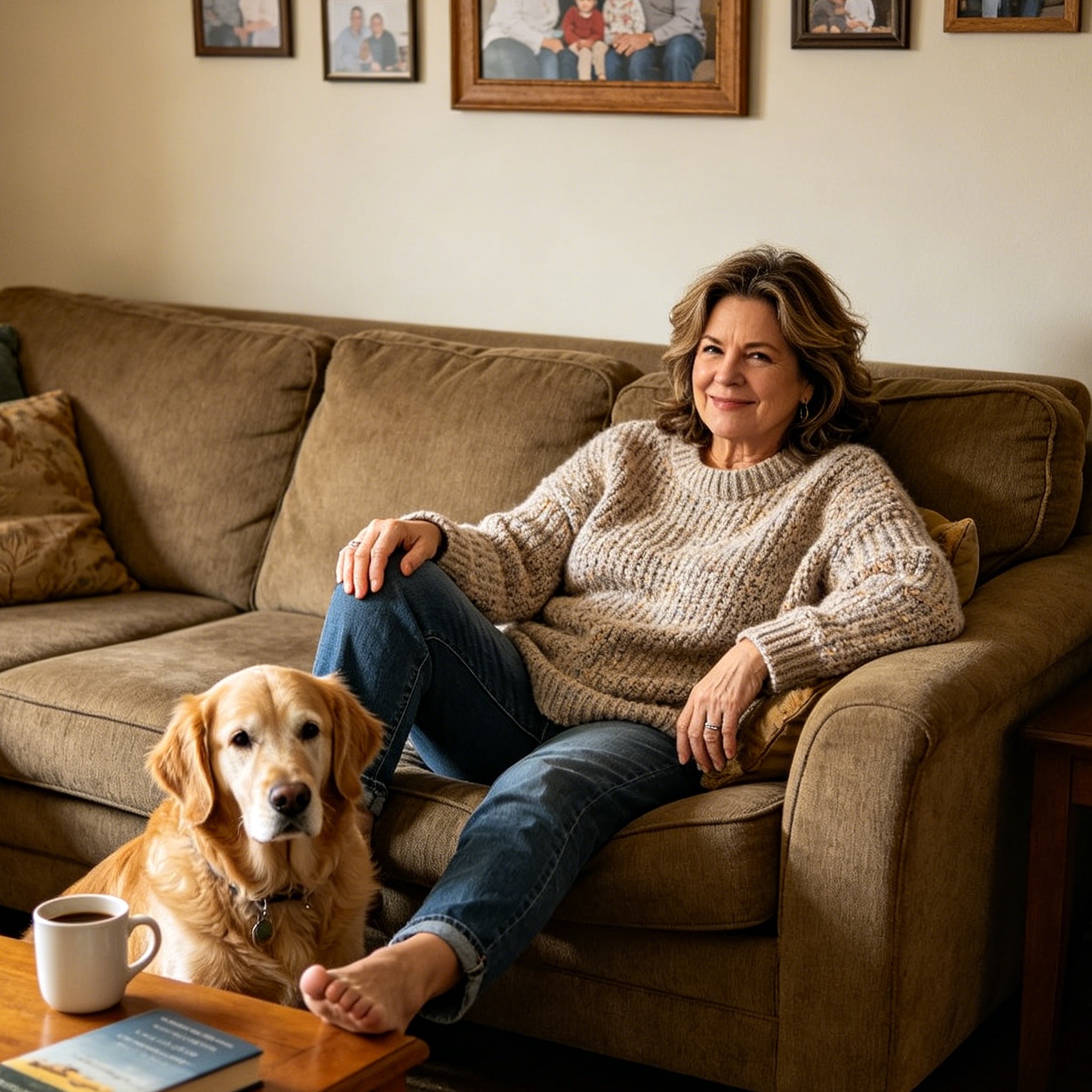
The study of the human age span involves a complex intersection of biology, genetics, historical progress, and statistical probability. Understanding how long humans can live requires a clear distinction between what is biologically possible for the species and what is statistically likely for an average individual. While modern medicine and improved living standards have dramatically increased the average number of years a person lives, the absolute ceiling of human existence appears to be governed by deep-seated biological mechanisms that have remained relatively stable for millennia.
Defining the Boundaries of Human Longevity
To discuss the human age span accurately, it is essential to establish the vocabulary used by gerontologists and demographers. Misunderstanding these terms often leads to confusion regarding whether humans are truly "living longer" or if we are simply preventing early deaths.
Distinguishing Between Life Expectancy and Maximum Lifespan
Life expectancy is a statistical estimate of the average remaining years of life at a given age, typically calculated from birth. It is highly sensitive to external factors such as infant mortality, disease outbreaks, and access to surgical care. When a population’s life expectancy is 40, it does not mean people die of old age at 40; rather, it reflects a high volume of deaths in early childhood combined with some individuals living into their 70s.
Maximum lifespan, conversely, refers to the greatest age reached by any verified member of the human species. This is a biological metric rather than a statistical average. Currently, the verified record for the longest human life is held by Jeanne Calment of France, who lived to be 122 years and 164 days. While life expectancy has more than doubled in the last century, the maximum lifespan has not seen a proportional increase, suggesting a biological "glass ceiling" that remains difficult to shatter.
The Statistical Reality of Global Longevity
As of recent data, the global average life expectancy at birth stands between 72 and 73 years. This figure represents a monumental achievement in human history. In the year 1900, the global average was a mere 32 years. This shift was not caused by a change in human biology but by the mitigation of external threats. Today, regional variations remain stark. In high-income nations like Japan or Switzerland, life expectancy often exceeds 84 years, whereas in regions struggling with conflict or lack of infrastructure, the average may still hover in the 50s or 60s.
The Historical Evolution of Human Survival
The trajectory of human survival reveals that for most of history, the human age span was characterized by high volatility. Ancient remains provide a window into how survival has changed over thousands of years.
Pre-Modern Mortality and the Impact of Infant Survival
In the Paleolithic and Neolithic eras, the estimated life expectancy at birth ranged from 20 to 33 years. However, this number is deceptive. If an individual survived the hazardous years of childhood and the risks of early adulthood—such as infection or physical trauma—they had a reasonable chance of reaching 50 or 60. Data from Classical Greece and Ancient Rome suggest that while life expectancy at birth was around 25 to 30, those who reached age 15 could expect to live another 35 to 40 years.
The primary driver of low historical life expectancy was infant and child mortality. Before the advent of sanitation and vaccines, nearly half of all children died before reaching puberty. Once a human passed these critical developmental milestones, their biological resilience allowed for a lifespan not entirely different from that of a modern human, albeit without the support of geriatric medicine.
The Modern Leap in Life Expectancy
The most significant shift in the human age span occurred between the late 19th century and the present. The "public health revolution" introduced clean water, sewage systems, and the understanding of germ theory. This was followed by the "medical revolution," which brought antibiotics, mass immunization, and advanced trauma care.
These interventions did not necessarily make the human body stronger; they made the environment safer. By removing the primary causes of "premature" death, society allowed more individuals to reach the natural limits of their biological clock. This phenomenon is often described as the "survival curve becoming more rectangular," where most people survive until old age and then experience a rapid decline, rather than deaths occurring evenly across all age groups.
Biological Mechanisms Behind the Human Age Limit
If environment and medicine have solved many external causes of death, the question remains: why do we still die, and why does the limit seem to be around 120 years? The answer lies in the fundamental nature of our cells.
Cellular Senescence and the Hayflick Limit
In the 1960s, microbiologist Leonard Hayflick discovered that normal human fetal cells in a cell culture divide only a finite number of times—typically between 40 and 60 times—before they enter a state of senescence. This is known as the Hayflick Limit.
Cellular senescence is a protective mechanism that prevents damaged cells from replicating, which is crucial for stopping cancer. However, as more cells in the body reach this limit, the tissue's ability to repair itself diminishes. This programmed exhaustion of cellular replication is one of the primary theories explaining why there is a fixed "hard limit" to the human age span, regardless of how well a person eats or exercises.
The Role of Telomeres and DNA Repair
At the ends of our chromosomes are protective caps called telomeres. Each time a cell divides, these telomeres shorten. When they become too short, the cell can no longer divide and eventually dies or becomes dysfunctional.
Furthermore, every day our DNA is bombarded by oxidative stress, radiation, and metabolic byproducts. While the body has sophisticated DNA repair mechanisms, they are not 100% efficient. Over decades, "somatic mutations" accumulate. Like a photocopy of a photocopy, the biological instructions for maintaining the body become degraded, leading to the organ failure and systemic decline associated with extreme old age.
The Stages of the Human Life Cycle
The human age span is not a monolithic experience but a series of distinct physiological stages, each with unique nutritional and maintenance requirements.
Early Development and Growth Phases
- Pregnancy and Infancy: The first year of life is characterized by the most rapid physiological changes. The brain grows exponentially, and the skeletal system begins the process of ossification.
- The Toddler and Childhood Years: From ages two through eight, the limbs lengthen and bone density increases. Posture becomes erect, and the body begins to mirror adult proportions.
- Puberty and Adolescence: Occurring roughly between ages 9 and 18, this stage involves a massive hormonal surge that triggers reproductive maturity and a final growth spurt.
Adulthood and the Onset of Biological Decline
- Early Adulthood (19-30): This is generally considered the peak of physical vitality. Biological repair mechanisms are at their most efficient, and muscle mass and bone density are at their maximum.
- Middle Age (31-50): During this phase, subtle signs of aging begin to appear. Metabolism slows, and the cumulative effects of lifestyle choices—such as diet and sun exposure—begin to manifest in the skin and cardiovascular system.
- The Senior Years (51+): This stage represents the final chapter of the human age span. The focus shifts from growth and reproduction to maintenance and the management of chronic conditions. In these years, the gap between "lifespan" and "healthspan" becomes most evident.
Factors That Dictate How Long a Human Lives
While the species has a maximum limit, individual longevity is determined by a combination of fixed and modifiable factors.
The Genetic Blueprint of Longevity
Research into centenarians (people who live to 100) suggests that genetics account for approximately 20% to 30% of the variation in human lifespan. Certain gene variants are associated with more efficient DNA repair, better cholesterol metabolism, and higher sensitivity to insulin. For the average person, lifestyle may be more important, but to reach extreme ages like 110, having the "right" genes is almost certainly a prerequisite.
Environmental and Socioeconomic Influences
Access to high-quality medical care, clean air, and nutritious food are the primary drivers of longevity at a population level. There is a documented "wealth gap" in the human age span; individuals in higher socioeconomic brackets often live decade-long lives compared to those in the lowest brackets, primarily due to chronic stress, exposure to pollutants, and the affordability of preventive medicine.
Behavioral Factors and the Healthspan Concept
Modern gerontology is shifting its focus from simply extending the number of years lived to extending "healthspan"—the period of life spent in good health. Behavioral factors that contribute to a longer healthspan include:
- Dietary Quality: Diets rich in phytonutrients, healthy fats (like those found in the Mediterranean diet), and moderate caloric intake are consistently linked to reduced inflammation.
- Physical Activity: Regular exercise maintains mitochondrial function and muscle mass (sarcopenia prevention), which is vital for mobility in later years.
- Sleep and Stress Management: Chronic cortisol elevation accelerates cellular aging. Adequate sleep allows the glymphatic system to clear metabolic waste from the brain.
- Social Connectivity: Strong social bonds are one of the most powerful predictors of longevity. Loneliness has been biologically equated to the health risks of smoking 15 cigarettes a day.
Regional and Demographic Disparities in Longevity
The human age span is not distributed equally across the globe or the sexes. In almost every population, women live longer than men. In 2022, the worldwide average for females was approximately 75 years, compared to 70 for males. This gap is attributed to both biological advantages (the protective effects of estrogen and a second X chromosome) and behavioral differences (lower rates of risk-taking, smoking, and occupational hazards).
Geographically, "Blue Zones"—areas like Okinawa (Japan), Sardinia (Italy), and Nicoya (Costa Rica)—have become famous for their high concentration of centenarians. These regions do not necessarily have better hospitals; instead, they share common cultural traits: plant-based diets, constant natural movement, a clear sense of purpose, and tight-knit community structures.
Future Frontiers in Extending Human Lifespan
Is the 122-year record the absolute end, or can science push the human age span further? Current research is exploring several promising avenues.
Regenerative Medicine and Gene Editing
Scientists are investigating how to "reprogram" cells to revert to a more youthful state. Techniques like CRISPR gene editing offer the theoretical possibility of enhancing DNA repair or lengthening telomeres. Stem cell therapy aims to replace damaged organs with lab-grown tissues, potentially bypassing the "organ failure" phase of aging.
Ethical Considerations of Radical Life Extension
The prospect of significantly extending the human age span raises profound questions. If humans could live to 150 or 200, how would society manage overpopulation, resource distribution, and the retirement age? Furthermore, there is the risk that such technologies would only be available to the ultra-wealthy, creating a biological divide between social classes.
Summary of Key Longevity Concepts
The human age span is defined by a global average life expectancy of roughly 72 years and a maximum biological limit of approximately 122 to 125 years. While we have successfully used technology and sanitation to ensure more people reach their senior years, the biological machinery of our cells—governed by the Hayflick Limit and DNA degradation—continues to impose a ceiling on total lifespan. The most significant current trend is the focus on healthspan, ensuring that the additional years gained through modern medicine are lived with vitality rather than chronic disability.
Frequently Asked Questions About Human Age Span
What is the maximum age a human can live?
Based on current scientific consensus and historical records, the maximum human lifespan is approximately 122 to 125 years. Jeanne Calment holds the verified record at 122 years and 164 days. While some theoretical models suggest 130 or more, these have not been observed in practice.
Why do women generally live longer than men?
Women typically live 5 to 7 years longer than men due to a combination of biological and lifestyle factors. Estrogen provides some cardiovascular protection, and the presence of two X chromosomes allows for a backup if a genetic mutation occurs on one. Additionally, men are statistically more likely to engage in high-risk behaviors and have higher rates of cardiovascular disease.
Does exercise actually increase your lifespan?
Exercise is one of the most effective ways to increase healthspan. While it may not necessarily break the 120-year biological limit, it significantly increases the probability that an individual will reach their 80s or 90s without debilitating chronic diseases. It maintains cardiovascular health, bone density, and metabolic function.
What are the main causes of the increase in life expectancy over the last century?
The primary causes are the reduction in infant mortality, the development of vaccines, the introduction of antibiotics, and massive improvements in public sanitation and food safety. These factors allow people to survive the "dangerous" early years of life to reach natural old age.
Can we "cure" aging?
Aging is currently viewed by most scientists as a natural biological process of decay rather than a disease. While we can manage age-related diseases and potentially slow the rate of cellular decline, there is currently no "cure" that can stop the fundamental process of cellular senescence and DNA degradation.
-
Topic: 12.2: The Human Life Cyclehttps://med.libretexts.org/@api/deki/pages/23381/pdf/12.2%3A+The+Human+Life+Cycle.pdf
-
Topic: Life expectancy - Wikipediahttps://en.wikipedia.org/wiki/Life_expectancy?oldformat=true
-
Topic: Human Lifespan Definition & What To Knowhttps://my.clevelandclinic.org/health/articles/lifespan#:~:text=What's%20the%20average%20human%20life,life%20expectancy%20was%20in%201900.