Home
Home
Mastering Modern Business Dress Standards for Professional Success
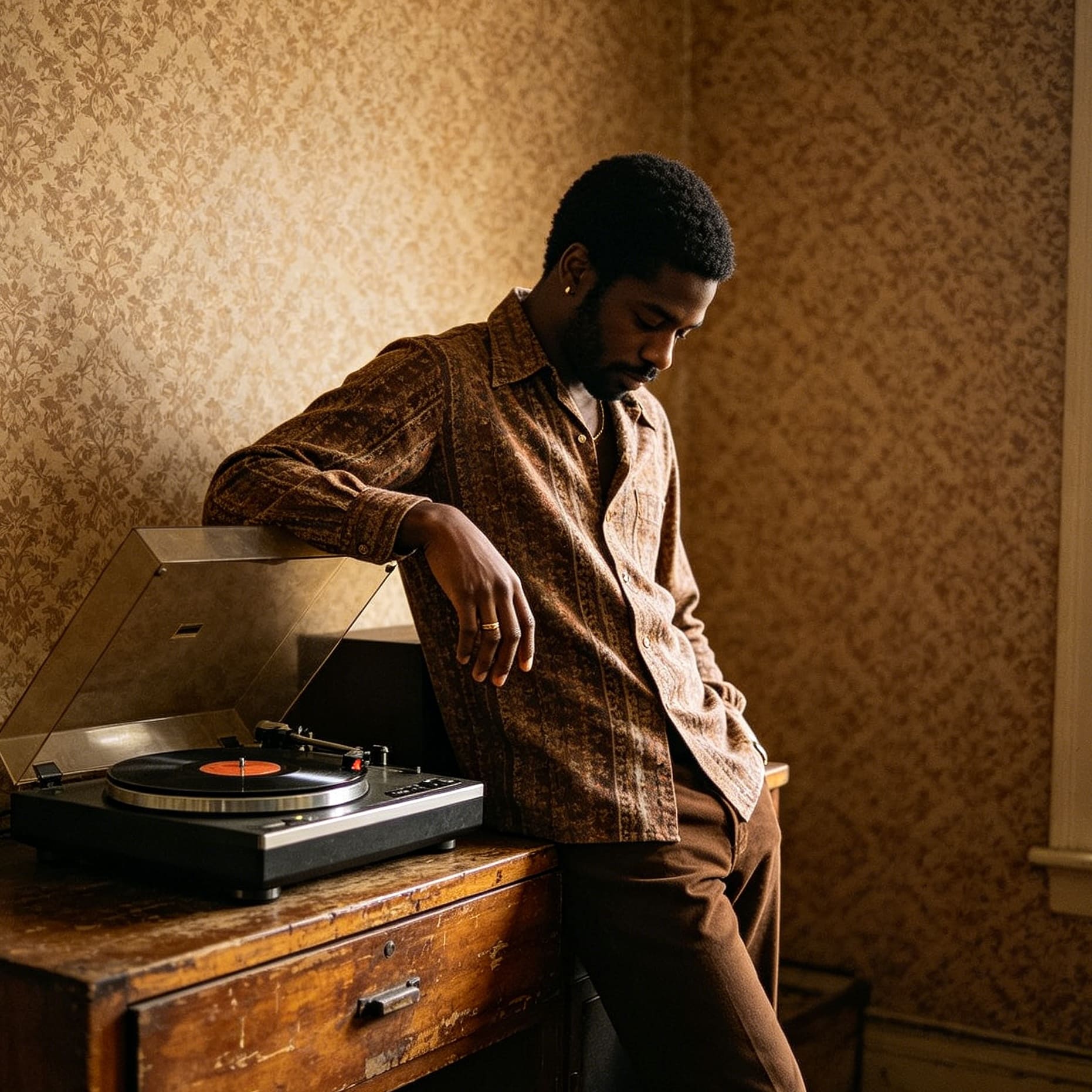
Business dress refers to the collective clothing standards and etiquette expected within professional environments to project competence, respect, and authority. While the definition has evolved significantly since the rigid corporate eras of the mid-20th century, it remains a critical non-verbal communication tool in the global workforce. Understanding the nuance between different levels of formality—primarily Business Professional and Business Casual—is no longer just about following rules; it is about strategic self-presentation that aligns with company culture and industry expectations.
The modern workplace is a spectrum of sartorial expectations. On one end, you have the high-stakes environments of international finance and law, where traditional codes prevail. On the other, the tech-driven and creative sectors have popularized a more relaxed approach. However, even in the most "casual" offices, the underlying principles of business dress—cleanliness, appropriate fit, and situational awareness—remain undisputed.
The Definitive Categorization of Business Attire
To navigate the professional world effectively, one must distinguish between the two pillars of office attire. The first reference point for any new employee or job seeker should be identifying which of these two categories serves as the organizational baseline.
Defining Business Professional
Business Professional is the most conservative and structured category of workplace attire. Often referred to as "Business Formal" in academic or high-level diplomatic circles, this dress code is the standard for client-facing roles in traditional industries, courtroom appearances, and high-level board meetings.
The objective of Business Professional attire is to minimize distractions and maximize perceived authority. It relies on a uniform-like consistency that signals reliability. In our observations of executive leadership across Fortune 500 companies, those who master this code often utilize high-contrast pairings—such as a dark suit with a crisp white shirt—to create a visual "power profile" that commands attention in a room.
Defining Business Casual
Business Casual is the most prevalent dress code in the 21st-century office, yet it remains the most misunderstood. It occupies the middle ground between a full suit and everyday streetwear. The goal is to appear "office-ready" without the rigidity of a tie or a matching jacket.
In modern practice, Business Casual allows for a greater degree of personal expression through textures and patterns. However, the "casual" in the name is deceptive. In a professional context, it does not include athletic wear, distressed denim, or overly relaxed silhouettes. Based on current industry trends, Business Casual is shifting toward "Smart Corporate," where the quality of the fabric and the precision of the fit replace the formal structure of the suit.
Deep Dive into Business Professional for Men
For men, Business Professional is centered around the suit. However, simply wearing a suit is not enough; the details of the construction and the coordination of accessories determine the wearer's level of professionalism.
The Foundation: The Two-Piece Suit
A true Business Professional suit consists of a matching jacket and trousers made from the same fabric, typically wool or a high-quality wool blend. Neutral colors are non-negotiable: navy blue, charcoal gray, and black are the standard.
- Fabric and Thread Count: For daily professional wear, a wool suit with a Super 100s to Super 120s rating is ideal. These numbers refer to the fineness of the wool fibers. While Super 150s and above are softer and more luxurious, they are also more prone to wrinkling and less durable for everyday office use.
- The Cut: There are three primary styles of suit cuts. The British cut features structured shoulders and two side vents, offering a traditional, authoritative look. The Italian cut is more tapered, with higher armholes and a slimmer silhouette, suitable for a more modern, fashion-forward professional. The American cut (or sack suit) is boxier with a single vent, prioritizing comfort and a classic, approachable aesthetic.
- The Fit: The shoulder seam must end exactly where your natural shoulder drops. The jacket sleeves should end about half an inch above your shirt cuff, allowing a sliver of shirt fabric to show.
The Supporting Elements
The dress shirt should be a button-down style, ideally in white or light blue. High-quality cotton like Sea Island or Egyptian cotton provides a smooth, opaque finish that looks sharp under fluorescent office lighting.
The tie is a critical component of the professional "power look." Silk is the standard material. Patterns should be conservative—stripes (regimental), small dots, or subtle paisley are acceptable. In our testing of visual impact, a tie that reaches the center of the belt buckle provides the most balanced proportions.
Footwear must be leather dress shoes. Oxfords (closed lacing) are more formal than Derbies (open lacing). Black leather is the most formal option, while dark brown is acceptable for navy or gray suits.
Deep Dive into Business Professional for Women
For women, Business Professional attire offers more variety but requires equal attention to detail and modesty. The goal is to project a polished, authoritative image that aligns with a traditional corporate environment.
The Suit: Pants vs. Skirts
The cornerstone of women's professional dress is the tailored suit. This can be a pantsuit or a skirt suit.
- The Jacket: A well-fitted blazer is essential. It should be tailored to the waist and end at the hip. For the most formal settings, the jacket and bottom should match in color and material.
- The Skirt: If opting for a skirt suit, the length is the most important factor. Standard professional etiquette dictates that the hem should fall at or just below the knee.
- The Trousers: Professional trousers should be straight-leg or a subtle wide-leg cut. They should be hemmed so they skim the top of the shoe without excessive bunching.
Tops and Inner Layers
A professional blouse or a high-quality knit shell is the standard under-layer. Materials like silk, chiffon, or high-grade synthetic blends work best because they drape well and resist wrinkling throughout the day. High-necklines or modest V-necks are preferred. Avoid sheer fabrics unless paired with a camisole.
Footwear and Accessories
Closed-toe shoes are the universal standard for Business Professional. Pumps with a moderate heel (2 to 3 inches) are classic, but polished leather flats are increasingly accepted as a professional and ergonomic alternative.
Jewelry should be "quiet." Stud earrings, a simple necklace, and a professional watch are the gold standard. In high-level networking, we have found that excessive or "clinking" jewelry can be distracting and may subtly undermine a professional's message during presentations.
Navigating the Nuances of Business Casual
Business Casual is where most professionals spend their careers, yet it is where the most "sartorial crimes" are committed. To master this code, one must learn to "dress up" casual items and "dress down" formal ones.
Business Casual for Men
- Tops: The tie is removed. Collared shirts remain the baseline, but you can introduce patterns like gingham or windowpane. Polo shirts are acceptable in many modern offices, provided they are made of high-quality piqué or mercerized cotton and have a structured collar that doesn't "pancake" under a sweater.
- Bottoms: Chinos and khakis are the workhorses of Business Casual. Navy, olive, and tan are the most versatile colors. Dark, unwashed denim is increasingly accepted in creative and tech sectors, but it must be free of distress, whiskering, or fraying.
- Outerwear: The blazer becomes optional. In its place, a high-quality V-neck sweater, a cardigan, or a quarter-zip pullover can be worn over a collared shirt.
Business Casual for Women
- Tops: The range expands to include sweaters, fashionable blouses, and even high-quality T-shirts if paired with a blazer.
- Bottoms: Beyond suit pants, women can wear chinos, corduroy trousers, or midi-skirts in various prints.
- Dresses: A sheath dress or a wrap dress is a Business Casual staple. It provides a complete outfit that is both comfortable and professionally appropriate.
The Science of Fit and Fabric
A $3,000 suit that is poorly fitted will always look less professional than a $300 suit tailored to the wearer's body. Fit is the most important variable in business dress because it signals attention to detail—a trait highly valued in any professional setting.
The Importance of Tailoring
Most off-the-rack clothing is designed for a "standard" body type that rarely exists. Common adjustments that significantly elevate a professional look include:
- Hemming trousers: Eliminating the "break" (the fold of fabric at the shoe) creates a cleaner, taller silhouette.
- Taking in the waist: A jacket that follows the natural curve of the torso looks more modern and energetic.
- Shortening sleeves: Ensuring the shirt cuff is visible is a hallmark of a well-dressed professional.
Fabric Choice and Seasonality
The material of your clothing affects both your comfort and your image.
- Wool: The king of business fabrics. It breathes, holds its shape, and naturally resists odors.
- Cotton: Ideal for shirts and chinos. Look for "non-iron" or "wrinkle-resistant" treatments if you have a long commute.
- Linen: While breathable, linen wrinkles instantly. In most professional settings, it is considered too casual for anything other than a summer "Smart Casual" Friday.
- Synthetics: Modern blends (polyester/viscose with spandex) offer stretch and durability, making them excellent for frequent travelers.
Psychology of Business Dress: Why It Matters
The way you dress affects not only how others see you but also how you see yourself. This phenomenon is known in social psychology as Enclothed Cognition.
First Impressions and Credibility
Research consistently shows that humans form a first impression within seven seconds of meeting someone. In a business context, your attire acts as a shorthand for your competence. If you appear "put together," others subconsciously assume your work is also organized and reliable. In our analysis of interview outcomes, candidates who are slightly "overdressed" relative to the company's daily code are consistently rated as more serious and respectful of the opportunity.
Confidence and Performance
When you wear clothing that fits well and aligns with professional standards, your "executive presence" increases. You are likely to speak with more authority and engage more confidently in negotiations. Conversely, being underdressed in a formal environment creates a "cognitive load"—you spend mental energy worrying about your appearance rather than focusing on the task at hand.
Industry-Specific Dress Expectations
While the general rules of Business Professional and Business Casual apply broadly, different industries have distinct "unspoken" codes.
Finance, Law, and Consulting
These remain the bastions of Business Professional. In these fields, the dress code is a sign of respect for the high-stakes nature of the work and the clients being served. Deviating from the suit-and-tie standard in these environments is often seen as a lack of discipline.
Technology and Startups
The "Silicon Valley" look has popularized the most relaxed version of Business Casual. Hoodies and sneakers are common among engineers, but for those in leadership or sales roles, a "Smart Casual" approach—dark jeans, a high-quality T-shirt, and a blazer—is the preferred way to bridge the gap between technical and business worlds.
Creative Industries (Media, Advertising, Fashion)
In these sectors, business dress is often a platform for creativity. While the formality may be lower, the "style" quotient is higher. Trends are more acceptable here, and the "rules" of matching colors are often intentionally broken to project an image of innovation.
The Modern Shift: "Waist-Up" Dressing and Remote Work
The rise of remote work has introduced a new sub-category of business dress. While the lower half may be casual, the "visible zone" on a video call remains subject to professional standards.
To maintain a professional image in a hybrid world, we recommend the "One Level Up" rule for video meetings. If the meeting is internal, a clean Polo or sweater is sufficient. If the meeting involves clients or upper management, a collared shirt or a blazer is necessary. Proper lighting and a neutral background are the "accessories" of the digital business dress code.
Universal Grooming and Hygiene Standards
No amount of expensive clothing can compensate for poor grooming. Professionalism is a holistic concept that includes personal hygiene.
- Hair: Should be neat and controlled. For men with facial hair, it must be trimmed and defined. A "five o'clock shadow" is generally viewed as unprofessional unless it is a deliberate, well-maintained beard.
- Nails: Clean and trimmed. For women, if wearing polish, avoid chipped paint or overly neon colors in professional settings.
- Scent: Fragrance should be "discovered, not announced." Avoid heavy colognes or perfumes that may linger in a small meeting room or trigger allergies in colleagues.
- Maintenance: Clothes must be pressed and free of lint, pet hair, or stains. A portable lint roller and a garment steamer are essential tools for the modern professional.
Common Business Dress Mistakes to Avoid
Even seasoned professionals can fall into sartorial traps. Based on our audits of corporate dress culture, these are the most common errors:
- The "Too Casual" Trap: Wearing flip-flops, cargo shorts, or gym wear to the office, regardless of how relaxed the culture is.
- The Wrong Shoes: Wearing scuffed, unpolished leather shoes or athletic sneakers with dress pants.
- Ill-Fitting Layers: Wearing a baggy sweater over a bulky shirt, which creates a "sloppy" silhouette.
- Ignoring the Invite: Failing to check the dress code for special events like "Business Formal" galas or "Casual" company retreats.
- Over-Accessorizing: Wearing too many statement pieces that distract from your professional message.
Building a Professional Wardrobe on a Budget
Transitioning into a professional role doesn't require a massive initial investment. A "Capsule Wardrobe" approach allows you to maximize your looks with minimal items.
For Men:
- One navy suit (Business Professional).
- Two pairs of chinos (Navy and Tan).
- Five dress shirts (3 White, 2 Light Blue).
- One pair of black Oxford shoes.
- One pair of brown loafers.
- Two conservative ties.
For Women:
- One black or navy blazer.
- One pair of matching trousers.
- One matching skirt.
- Two sheath dresses.
- Four professional blouses.
- One pair of black pumps or flats.
By mixing and matching these staples, you can navigate almost any professional scenario. Retailers like Uniqlo, H&M (Premium Line), and Zara offer affordable entry points for high-quality basics, while thrift stores in metropolitan areas are often goldmines for high-end wool suits that only require minor tailoring.
Summary: The Essence of Business Dress
Business dress is a tool of empowerment. It is the visual manifestation of your commitment to your career and your respect for the professional community. Whether you are donning a full charcoal suit for a courtroom appearance or pairing a navy blazer with chinos for a creative pitch, the goal remains the same: to project an image of a capable, reliable, and professional individual.
By mastering the distinctions between Business Professional and Business Casual, prioritizing fit over brand names, and maintaining impeccable grooming standards, you ensure that your appearance supports—rather than distracts from—your professional goals.
FAQ
Can I wear jeans for Business Casual? In many modern offices, dark, well-fitted jeans are acceptable for Business Casual. However, they should never be distressed or baggy. If you are new to an organization, avoid jeans for the first week until you observe the "unspoken" rules of the office.
Do I have to wear a tie for Business Professional? Yes. In a traditional Business Professional environment, a tie is a required component of the suit for men. Removing the tie immediately transitions the outfit into the "Business Casual" or "Smart Casual" category.
Are sneakers ever okay in a business setting? In high-tech or creative "Smart Casual" environments, clean, minimalist leather sneakers (typically in white or black) are increasingly common. However, they should never be worn in Business Professional settings or for traditional job interviews.
How many suits does a professional need? For someone in a Business Professional environment, three suits (Navy, Charcoal, and Black) are sufficient to rotate through a work week without excessive wear and tear on the fabric.
Is makeup required for women in business dress? Makeup is not a requirement, but if worn, it should be "natural" or "understated." The goal is a polished look rather than a dramatic one. Focusing on neatness and a healthy appearance is the priority.
-
Topic: Student Guide on Professional Business Attire How to Dress the Part for a Solid First Impressionhttps://blogs.ubc.ca/2021mmprogram/files/2017/08/Professional-Business-Attire.pdf
-
Topic: Informal wear - Wikipediahttps://en.wikipedia.org/wiki/Business_dress
-
Topic: Smart business attire: Dressing for success (with examples) - SEEKhttps://www.seek.com.au:8443/career-advice/article/smart-business-attire-dressing-for-success-with-examples