Home
Home
How to View and Track Your Apple Music Replay Stats Throughout the Year

Apple Music Replay is the primary way for subscribers to visualize their music consumption data, offering a comprehensive look at the artists, songs, and albums that define their listening habits. Unlike other music streaming recaps that only appear once a year, Apple Music Replay is a dynamic experience that updates weekly, allowing users to watch their musical trends evolve in real-time.
To access your Apple Music Replay immediately, you can visit the official Replay website at replay.music.apple.com or find the Replay section within the Home tab of the Apple Music app on your iPhone, iPad, or Android device.
Defining Apple Music Replay in the 2025 Ecosystem
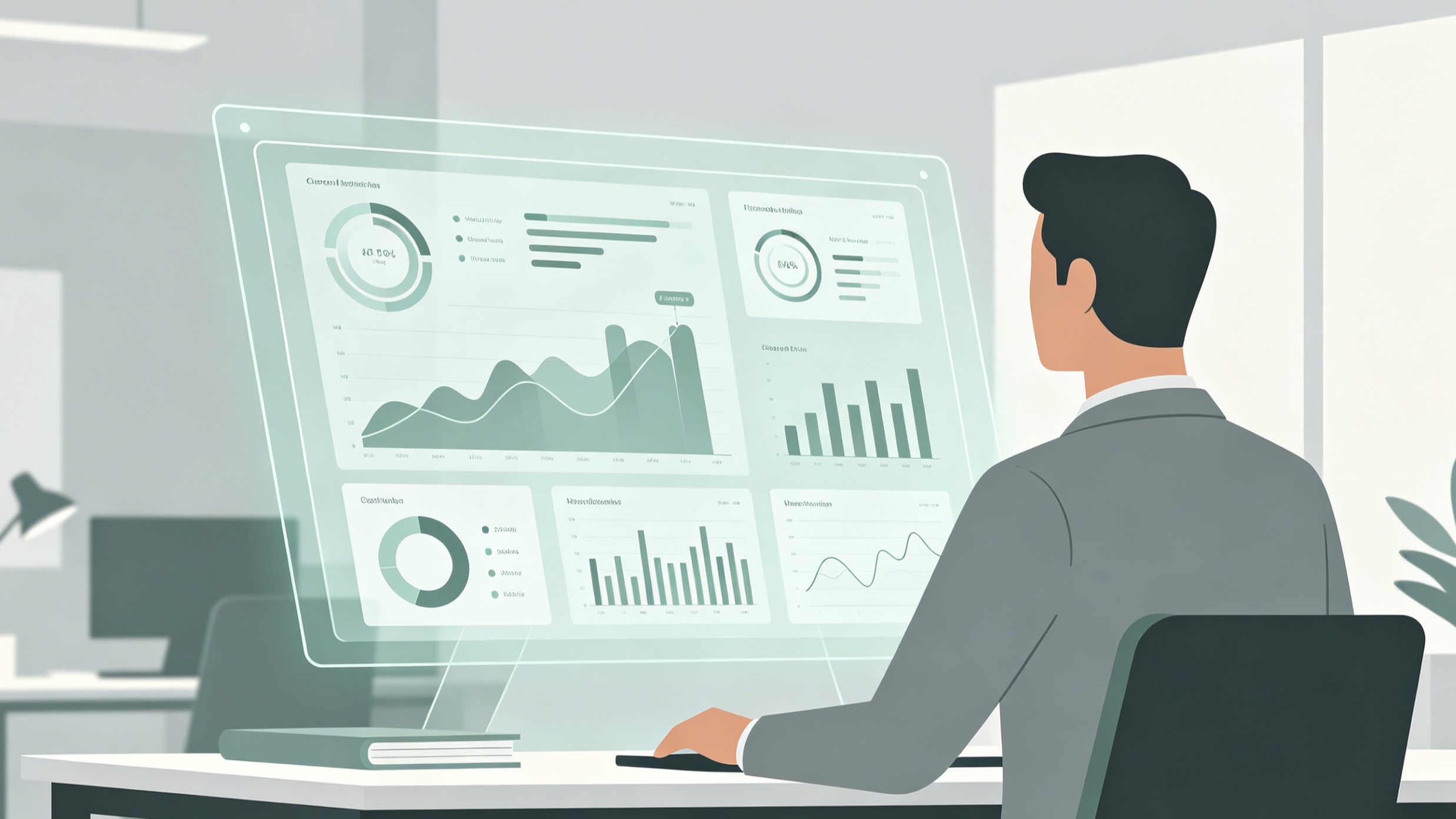
Apple Music Replay functions as a personalized data hub. It aggregates listening history across all devices signed into the same Apple Account, provided the "Use Listening History" setting is active. The feature serves two main purposes: a live-updating playlist of your top 100 songs for the current year and a detailed web-based dashboard featuring advanced analytics.
In 2025, the service has expanded beyond simple lists. It now includes monthly breakdowns, milestone achievements, and an AI-driven "Highlight Reel" that creates a cinematic summary of your music journey. The distinction between Replay and its competitors lies in its persistence; it is not a seasonal marketing campaign but a permanent feature of the subscription service.
Core Metrics and Data Calculation Logic
Understanding how Apple Music Replay calculates your stats is essential for users who want an accurate representation of their tastes. The system relies on three primary data pillars.
Play Count Metrics
A "play" is not counted the moment a song starts. Based on technical observations of the Apple Music API, a song must typically be played for a specific duration—usually at least 30 seconds—to register as a count in the Replay database. Skips within the first few seconds are excluded to prevent accidental clicks or rapid browsing from skewing the data. This ensures that the top songs list reflects genuine interest rather than random shuffle accidents.
Total Listening Time
This metric measures the cumulative minutes and hours spent on specific artists, albums, or genres. Total time is often considered a more accurate reflection of "fandom" than play counts. For example, a fan of progressive rock or classical music might have fewer total plays due to long track durations but significantly higher total listening time compared to a pop fan. Replay balances these two factors to determine your overall rankings.
Dynamic Weekly Updates
The Replay database refreshes every Sunday. This means that if you spend an entire Saturday listening to a new album, those stats will typically manifest in your Replay dashboard by Monday morning. This high-frequency update cycle allows users to use Replay as a tool for self-discovery and habit tracking throughout the four seasons, rather than waiting for a December surprise.
Accessing Replay on Different Devices
Apple has integrated Replay across its ecosystem, though the depth of data varies between the mobile application and the web interface.
How to Access Replay on iPhone and iPad
- Launch the Music app.
- Ensure you are on the Home (formerly "Listen Now") tab.
- Scroll to the bottom of the page until you see the section titled Replay: Your Top Music by Year.
- Tap on the current year’s Replay tile. This will open the personalized playlist.
- To see full statistics, tap the "Go back in time" or "See more" button, which redirects to the mobile-optimized web dashboard.
Accessing Replay on Android Devices
Apple Music for Android offers parity with the iOS version regarding Replay access.
- Open the Apple Music app.
- Tap the Home icon at the bottom.
- Scroll down to the Replay section.
- Select the 2025 Replay banner to view your top 100 tracks.
The Web Dashboard: The Full Analytical Experience
For the most detailed insights, the web version at replay.music.apple.com is the superior choice. This portal provides a "Highlight Reel" with animations and music, as well as specific breakdowns for:
- Top Genres: A percentage-based look at your genre diversity.
- Milestones: Recognition for reaching certain thresholds, such as 1,000 songs played or 50,000 minutes of listening.
- Historical Data: Access to Replay playlists from every year you have been a subscriber, dating back to the service's inception.
New Features for the 2025 Replay Cycle
The 2025 iteration of Apple Music Replay introduced several quality-of-life improvements and deeper social integrations.
Monthly Insights and Milestones
One of the most significant shifts is the move toward monthly granularity. Users now receive a notification at the start of each month summarizing the previous month’s activity. This "Replay Monthly" feature highlights your "Artist of the Month" and any new genres you explored.
Milestone badges have also been gamified. You can now earn specific digital achievements for consistency (e.g., listening every day for a month) or for being in the top 1% of listeners for a specific global artist. These badges are designed to be shared directly to social media platforms.
The Enhanced Highlight Reel
The Highlight Reel has evolved into a vertical, story-like format optimized for mobile viewing. It utilizes a sophisticated algorithm to sync your top songs with transitions, creating a shareable video that summarizes your year or month. In our testing of the 2025 version, the rendering speed for these reels has improved significantly compared to previous years, especially on devices with newer silicon.
Social Sharing and Privacy
Apple Music Replay allows for granular sharing. You can choose to share your entire dashboard, a specific artist card, or just your top 100 playlist. Privacy remains a core component; your Replay data is private by default and is only visible to others if you choose to share the link or post screenshots to social platforms.
Troubleshooting: Why Is My Apple Music Replay Not Showing?
It is common for users to encounter issues where their Replay data appears missing, incomplete, or stuck. Most of these issues stem from device settings rather than server-side errors.
The "Use Listening History" Requirement
The most frequent culprit for missing Replay data is the "Use Listening History" toggle. If this is disabled on any of your primary devices, the music played on that device will not be tracked or added to your global stats.
- On iOS/iPadOS: Go to Settings > Apps > Music and ensure Use Listening History is toggled ON.
- On Mac: Open the Music app, go to Settings > General, and check the box for Use Listening History.
- On Android: Within the Apple Music app, tap the three dots in the corner, go to Settings, and enable Use Listening History.
The "Not Enough Data" Threshold
If you are a new subscriber or have recently cleared your history, you may see a message stating that you haven't played enough music yet. Apple requires a baseline of data to generate meaningful statistics. Typically, this requires listening to a variety of artists and albums for several hours across multiple days. If you find your Replay is not updating, try diversifying your listening away from a single looped track to help the algorithm calibrate.
Subscription Status and Regional Availability
An active Apple Music subscription is mandatory. If your subscription lapses, access to the Replay dashboard and the personalized playlists is revoked immediately. Furthermore, while Apple Music Replay is available in most regions where Apple Music operates, certain localized restrictions may apply to specific data points depending on local privacy laws.
Replay vs. Spotify Wrapped: A Strategic Comparison
While both services offer music retrospectives, they cater to different user needs.
- Frequency: Apple Music Replay is a year-long, weekly updated service. Spotify Wrapped is a once-a-year event released in late November or early December.
- Accessibility: Apple places a heavy emphasis on the web-based dashboard, which allows for more detailed data exploration on desktop browsers. Spotify focuses almost exclusively on the mobile app experience.
- Data Representation: Apple’s UI is often described as cleaner and more focused on "professional" metrics like play counts and minutes. Spotify's approach is more "viral," using humor, personality types, and colorful graphics designed for social media engagement.
For the data-conscious listener who wants to track their habits in June or August, Apple Music Replay offers a level of transparency that seasonal campaigns cannot match.
Strategies for Curating a Better Replay
Your Replay is a reflection of your data. If you want your end-of-year summary to be more accurate, consider the following habits:
- Avoid "Ghost Listening": If you use white noise or rain sounds for sleeping, these can dominate your Top Songs and Top Artists. To prevent this, turn off "Use Listening History" before bed, or use a separate app for ambient sounds.
- Explore Stations: Apple Music’s radio stations and personalized stations (like the Discovery Station) contribute significantly to genre diversity in your Replay.
- Clean Up Your Library: High play counts on songs you no longer like can be frustrating. While you cannot manually delete specific items from the Replay history, you can "dilute" their influence by listening to new music more frequently.
The Future of Music Analytics
As Apple continues to integrate AI and machine learning into its ecosystem, we can expect Apple Music Replay to become even more predictive. Future iterations may include "Mood Analysis," which tracks the emotional tone of your music throughout the year, or "Social Mapping," showing how your tastes align with your friends' or global trends in real-time.
For now, the 2025 version of Apple Music Replay remains a robust, reliable, and visually stunning way to interact with your personal history of sound. By checking in weekly and ensuring your settings are optimized, you can turn a simple streaming service into a powerful mirror of your cultural life.
Summary of Key Takeaways
Apple Music Replay is an essential tool for any music lover who values data. Key points to remember include:
- It updates every Sunday, offering a weekly snapshot of your habits.
- The web version (replay.music.apple.com) provides the most detailed analytics, including total listening hours and milestones.
- The "Use Listening History" setting must be enabled on all devices for the most accurate tracking.
- 2025 updates include monthly insights and a more cinematic Highlight Reel.
Frequently Asked Questions (FAQ)
Can I see my Apple Music Replay from 2023 or 2024?
Yes. By logging into the Apple Music Replay website, you can scroll to the bottom of the page to find your historical Replay playlists and stats from previous years, provided you had an active subscription during those periods.
Does listening to music in "Offline Mode" count toward Replay?
Yes. When you download songs and listen to them offline, Apple Music tracks that data locally on your device. Once your device reconnects to the internet, that data is synced with Apple’s servers and eventually incorporated into your Replay statistics.
Why do some songs appear in my Replay that I don't remember listening to?
This often happens if you share an Apple Account with a family member or if you leave music playing on a home device like a HomePod. Ensure that each family member has their own profile under a Family Plan to keep Replay data separate.
How do I share my Replay video on Instagram Stories?
Navigate to the Highlight Reel on the Replay website or app. Tap the Share icon (the square with an arrow) and select "Instagram." The app will generate a story-ready clip or image based on your top stats.
Is Apple Music Replay available for students or family plan members?
Yes. As long as you have an individual, student, or family plan profile, you have access to your own unique Replay data.
When does the final 2025 Apple Music Replay stop updating?
The 2025 Replay playlist continues to update through the end of December. Once the new year begins, it becomes a static archive, and the 2026 Replay cycle begins anew.
Can I exclude certain genres from my Replay?
Currently, there is no way to manually exclude specific genres or artists from being tracked. The only way to prevent certain music from appearing is to turn off "Use Listening History" during the sessions when you are listening to that music.
Does the Replay playlist include songs from uploaded local files?
Generally, Replay tracks songs that are available in the Apple Music catalog. If you have uploaded your own MP3s via iCloud Music Library, they may not always contribute to the "Top Artists" or "Top Albums" stats unless they are matched with the official Apple Music versions.
Why is my "Total Minutes Listened" different from what I see in third-party apps?
Third-party apps often use different APIs or calculation methods. Apple Music Replay uses official server-side data, which is the most accurate representation of how Apple perceives your listening habits.
Can I see who my top 1% artists are?
While Apple doesn't always use the exact "1%" phrasing for every artist, the 2025 Replay dashboard will notify you if you are among the "Top Listeners" (e.g., Top 100 or Top 1,000) for your most-played artists.
-
Topic: How to get your Apple Music Replay - Apple Supporthttps://support.apple.com/en-asia/109356
-
Topic: How to See Your Apple Music Wrapped on Any Device in 2025: Easy Guide to Find Apple Music Replay - Izoatehttps://www.izoate.com/blog/how-to-see-your-apple-music-wrapped-on-any-device-in-2025-easy-guide-to-find-apple-music-replay/
-
Topic: Apple Music Replay: How to find Apple's version of Spotify Wrapped - International Music Timeshttps://imusictimes.com/apple-music-replay-how-to-find-apples-version-of-spotify-wrapped/