Home
Home
How to Master the Art of Wearing Patterned Sweaters for Women
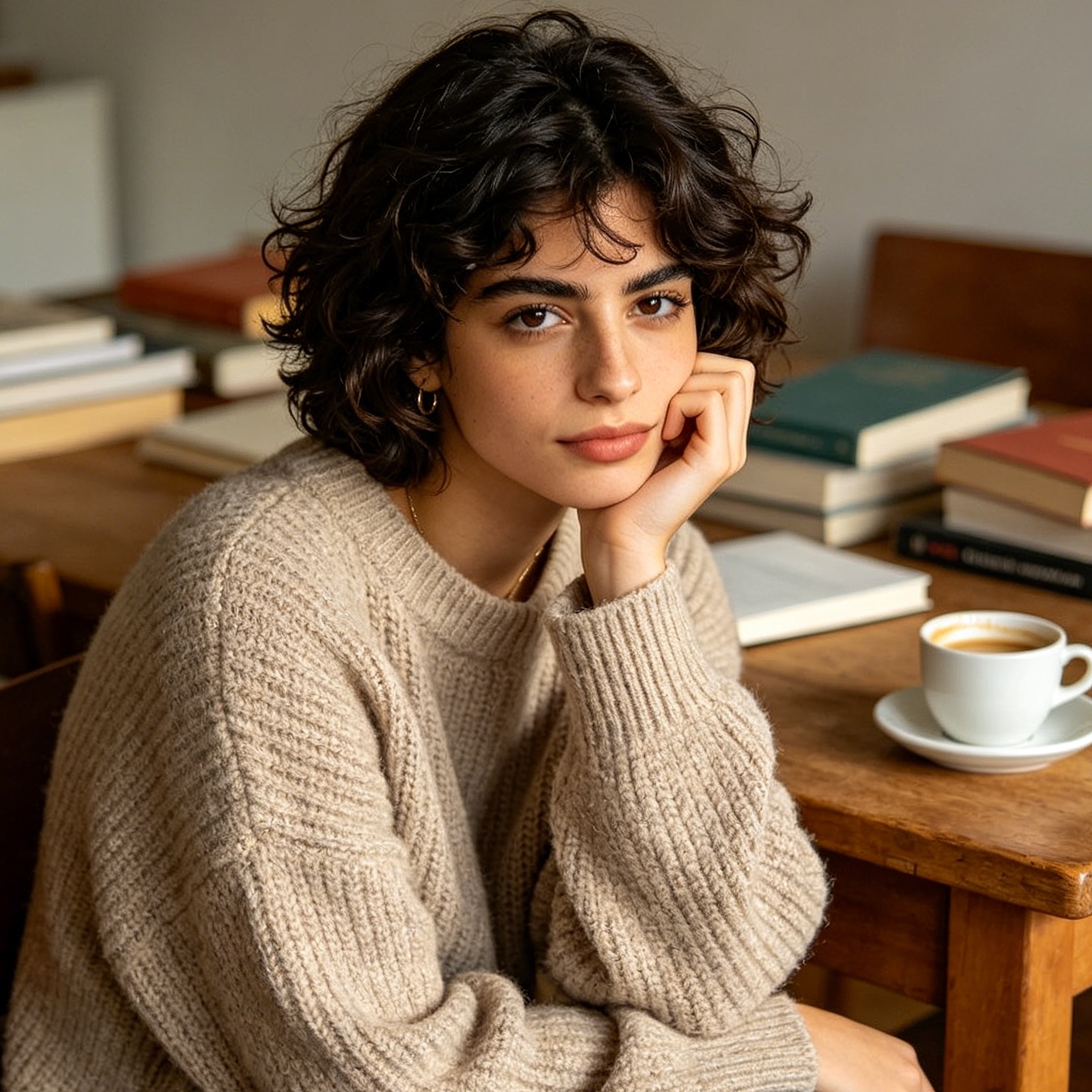
Patterned sweaters are no longer just utilitarian garments reserved for cold weather; they have evolved into sophisticated statement pieces that define a person's style identity. From the intricate heritage of Fair Isle to the preppy precision of Argyle, a well-chosen patterned sweater bridges the gap between cozy comfort and high-fashion aesthetics. Selecting the right piece involves understanding the nuances of knit construction, the science of fiber content, and the visual geometry of the patterns themselves.
The Definitive Classification of Knit Patterns
Understanding the technical differences between various patterns is the first step in building a curated knitwear collection. Each technique offers a distinct visual weight and cultural association.
The Complexity of Jacquard and Fair Isle
Jacquard knitting is a technique where multiple colors of yarn are used to create complex graphics woven directly into the fabric. Unlike printed designs, Jacquard patterns are integral to the structure, resulting in a heavier, more durable garment. A subset of this is the Fair Isle pattern, originating from the Shetland Islands. Traditional Fair Isle is characterized by horizontal bands of small, geometric motifs, typically limiting each row to only two colors. In a modern wardrobe, a Fair Isle sweater exudes a "heritage chic" vibe, perfect for outdoor excursions or holiday gatherings.
The Structural Depth of Cable Knits
While often monochromatic, cable knits are technically "patterned" through their three-dimensional texture. Stitches are crossed over one another to create braids, ropes, and diamond shapes. During our evaluation of different knit densities, we found that a high-gauge (tighter knit) cable sweater offers a more slimming silhouette, whereas a low-gauge, chunky cable knit provides maximum insulation but adds significant visual volume.
The Preppy Appeal of Argyle
Argyle is defined by its overlapping diamond-shaped motifs, often featuring a contrasting "stitching" line known as a raking yarn. This pattern carries a strong collegiate and athletic history. To avoid looking dated, look for oversized Argyle prints or unexpected color combinations like charcoal and neon orange, rather than the traditional navy and green.
Delicate Openwork and Ajour
For transitional seasons like spring and early autumn, openwork or Ajour patterns are essential. These involve intentional "holes" created by yarn-overs and decreases to form lace-like motifs. These sweaters are exceptionally feminine and work best as layering pieces over silk camisoles or crisp button-down shirts.
Decoding Materials: From Luxury Fibers to Practical Blends
The "hand feel" and longevity of a patterned sweater are dictated entirely by its composition. A beautiful pattern on poor-quality fabric will lose its shape and appeal within a few washes.
Natural Insulation: Wool and Cashmere
- Cashmere: Derived from the soft undercoat of goats, cashmere is the gold standard for weight-to-warmth ratio. In our experience, a two-ply cashmere patterned sweater offers a luxurious drape that synthetic fibers cannot replicate. It is hypoallergenic and becomes softer with age.
- Merino Wool: Known for its fine fibers, Merino is less "scratchy" than traditional sheep's wool. It possesses natural moisture-wicking properties, making it an excellent choice for women with active lifestyles who still want the elegance of a patterned knit.
- Alpaca: Offering a unique luster, alpaca wool is warmer than sheep's wool and lacks lanolin, making it ideal for those with sensitive skin.
Performance Blends: Cotton and Synthetics
- Cotton Blends: For those living in milder climates, a cotton-patterned sweater provides breathability. However, cotton lacks the "memory" of wool, meaning it may stretch out over time at the elbows and hem.
- Acrylic and Nylon: Often used in fast-fashion patterned sweaters, these materials are highly resistant to moths and are easy to machine wash. While they hold vibrant dyes exceptionally well (perfect for bold geometric patterns), they are prone to pilling and lack the thermal regulation of natural fibers.
How to Choose the Right Pattern for Your Body Type
The scale and placement of a pattern can dramatically alter the perception of a silhouette. Choosing a sweater is an exercise in visual balance.
Balancing the Pear-Shaped Figure
If you have wider hips and narrower shoulders, look for patterned sweaters that draw the eye upward. A Fair Isle design with heavy patterning around the yoke (the neck and shoulder area) and a solid color at the hem is ideal. This broadens the appearance of the shoulders to balance the hips.
Refining the Apple-Shaped Silhouette
For those who carry weight in the midsection, avoid large, high-contrast Argyle or horizontal stripes across the stomach. Instead, opt for vertical ribbed patterns or small-scale, tonal "all-over" prints. A V-neck patterned cardigan can also create a lengthening effect that slims the torso.
Enhancing the Petite Frame
Large, oversized patterns can overwhelm a smaller frame. If you are petite, choose "micro-patterns" or delicate openwork. A cropped patterned sweater that hits just at the waistline can prevent the knitwear from looking like it is "wearing you."
Advanced Styling Strategies for Modern Women
The secret to making a patterned sweater look expensive lies in the "Rule of Three" and the careful juxtaposition of textures.
The Corporate Professional Look
To wear a patterned sweater to the office, lean into the "preppy-modern" aesthetic. Layer a fitted Argyle or fine-gauge Jacquard sweater over a white, stiff-collared shirt. Pair this with tailored wool trousers and loafers. The key is to keep the rest of the outfit in solid, neutral tones (black, navy, or camel) to let the sweater act as the focal point without looking chaotic.
The Weekend Casual Aesthetic
For a relaxed yet polished look, we recommend the "Texture Clash." Pair a chunky, cable-knit patterned sweater with a sleek leather skirt or satin slip dress. The contrast between the ruggedness of the wool and the smoothness of the leather/silk creates a high-end, editorial feel. Complete the look with ankle boots and a minimalist leather crossbody bag.
The Evening Statement
Can a patterned sweater be worn for dinner? Absolutely. Look for "embellished patterns" where the knit includes subtle metallic threads or sequins. A dark-toned floral jacquard sweater paired with wide-leg velvet trousers creates a sophisticated, bohemian-inspired evening ensemble that is both warm and glamorous.
Maintenance: Protecting Your Investment
Patterned sweaters, especially those with long "floats" of yarn on the inside (common in Jacquard), require specific care to maintain their integrity.
- Combating Pilling: Pilling occurs when loose fibers rub together. Use a specialized fabric comb or a battery-operated lint remover on high-friction areas like the underarms. Never pull pills off by hand, as this tears the fibers and leads to more pilling.
- The Art of Washing: Always turn your patterned sweater inside out before washing. This protects the intricate surface design. Hand washing in cold water with a pH-neutral wool detergent is the safest method.
- Drying and Storage: Never hang a knit sweater; gravity will cause it to lose its shape, particularly at the shoulders. Lay it flat on a towel to dry, reshaping it while damp. For storage, fold the sweater loosely and place it in a breathable cotton bag to prevent moth damage and dust accumulation.
Summary: Elevating the Everyday Knit
A patterned sweater for women is more than a winter layer—it is a versatile tool for self-expression. By prioritizing high-quality natural fibers like cashmere and merino, understanding how different patterns like Fair Isle or Cable knit interact with your body shape, and mastering the art of textural contrast in styling, you can transform a simple garment into a cornerstone of your wardrobe. Whether you are navigating a boardroom or a weekend retreat, the right patterned knit ensures you remain both comfortable and undeniably chic.
Frequently Asked Questions (FAQ)
What is the difference between a Jacquard and a printed sweater?
A Jacquard sweater has the pattern knitted into the fabric using different colored yarns, which creates a textured, high-quality finish and better durability. A printed sweater has the design applied to the surface of a finished knit, which can sometimes peel or fade over time and lacks the depth of a true knit pattern.
Are patterned sweaters in style for 2025?
Yes, patterned sweaters are currently trending, particularly those with a vintage or "grandpa" aesthetic. Oversized Argyle, retro floral jacquards, and chunky traditional Fair Isle patterns are particularly popular in current high-fashion collections.
How do I prevent my patterned sweater from itching?
Itching is usually caused by the coarse ends of wool fibers poking the skin. To prevent this, look for "long-staple" fibers like Merino wool or Cashmere. Alternatively, layering a lightweight silk or cotton long-sleeve tee underneath can provide a comfortable barrier.
Can I wear a patterned sweater with patterned bottoms?
Mixing patterns is a high-level styling move. To do it successfully, ensure the patterns vary in scale (e.g., a large-scale Argyle sweater with a tiny pinstripe pant) and share at least one common color to create visual harmony.
-
Topic: Chic and Comfortable patterned sweater women s Perfect for Every Seasonhttps://www.alibaba.com/showroom/patterned-sweater-women-s.html
-
Topic: Chic and Comfortable sweater patterns for women Perfect for Every Seasonhttps://www.alibaba.com/showroom/sweater-patterns-for-women.html
-
Topic: 15 Long Sleeve Sweater Patterns For Women - The Knit Crewhttps://www.theknitcrew.com/15-long-sleeve-sweater-patterns-for-women/