Home
Home
How to Choose a LinkedIn Background Photo That Actually Builds Your Brand
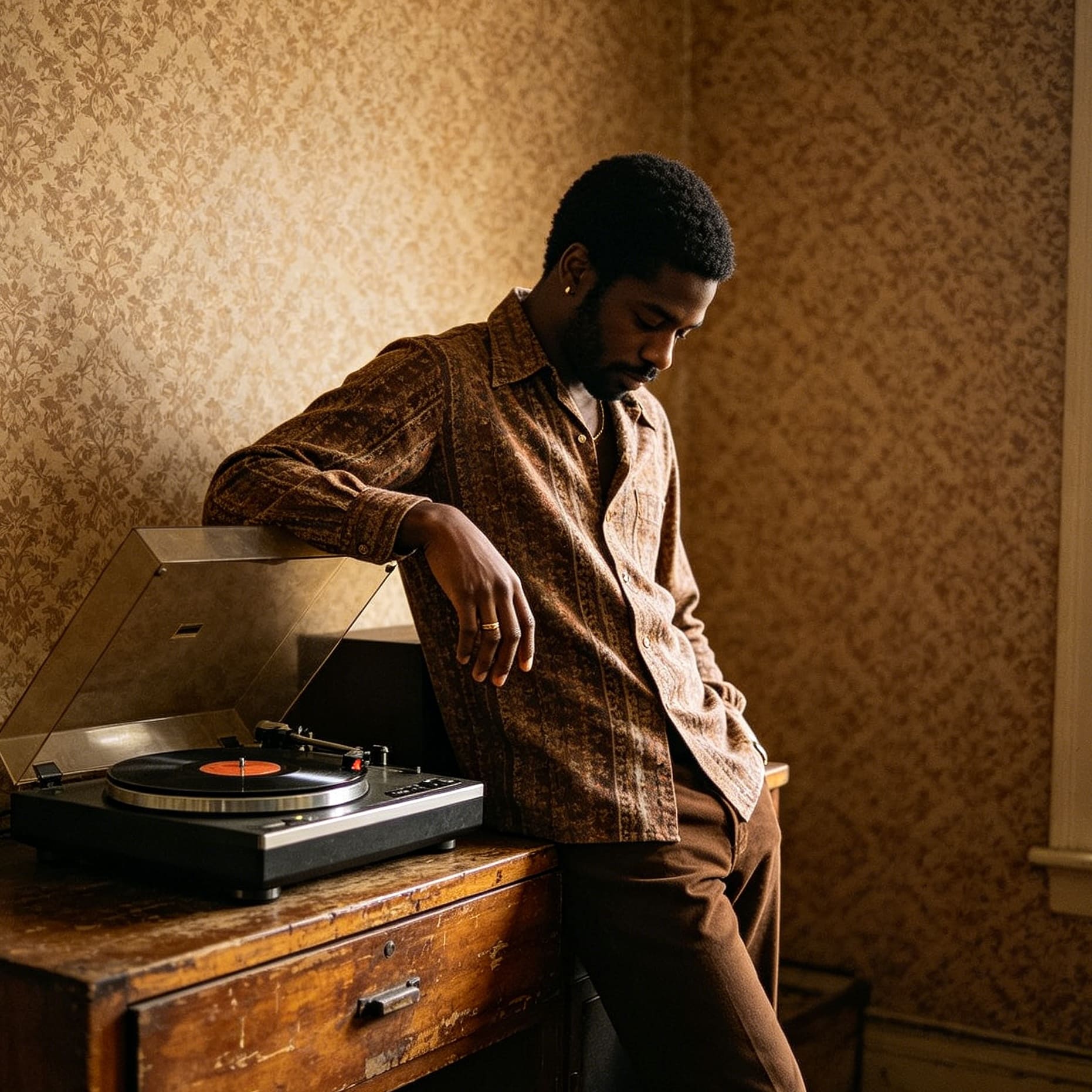
A LinkedIn profile is more than a digital resume; it functions as a high-stakes landing page for professional identity. While many users invest hours into refining their headline and experience sections, the background photo—often referred to as the cover photo or banner—is frequently neglected. This visual real estate occupies the largest portion of the screen above the fold, making it the primary driver of a visitor's first impression. A default gray-and-blue geometric pattern signals a lack of platform engagement, whereas a strategically chosen LinkedIn background photo can instantly communicate authority, industry alignment, and professional values.
Technical Specifications for Optimal Clarity
Visual professionalism begins with technical precision. LinkedIn uses a responsive design, meaning the background photo scales differently depending on whether it is viewed on a 27-inch desktop monitor or a 6-inch smartphone screen. To ensure the image remains sharp and unpixelated across all devices, specific parameters must be met.
Dimensions and Aspect Ratio
The recommended dimensions for a personal LinkedIn background photo are 1584 x 396 pixels. This equates to a 4:1 aspect ratio. Using an image with lower resolution will result in a blurry or "grainy" appearance, which can subconsciously undermine a user's perceived attention to detail. Conversely, using a much larger image without maintaining the 4:1 ratio may lead to awkward automatic cropping that cuts off vital information or visual elements.
File Requirements
LinkedIn supports JPG and PNG file formats. While PNG often provides better clarity for graphics with text, JPG is generally more efficient for high-resolution photography. The file size must be under 8 MB. However, for faster profile loading speeds—which contribute to a better user experience—it is advisable to keep the file size between 1 MB and 2 MB. If an image appears pixelated despite being the correct size, it is often due to LinkedIn's internal compression algorithms. In such cases, uploading a higher-quality file or using a web-optimized export setting can mitigate the issue.
Navigating the Safe Zone and Responsive Layout
A common mistake is placing critical information, such as a logo or a call to action, in an area where it will be obscured. The LinkedIn interface is layered, and the profile picture (the circular headshot) overlaps the background banner.
The Profile Picture Obstruction
On a desktop view, the profile picture is positioned on the bottom-left side of the banner. This area is considered a "dead zone" for information. Any text, faces, or brand symbols located in the bottom-left quadrant will be hidden behind the headshot. To avoid this, essential visual elements should be weighted toward the center or the right side of the image.
Mobile vs. Desktop Display
The cropping behavior changes significantly on mobile devices. While the desktop view is wide and narrow, the mobile view often crops the left and right edges of the banner to fit a vertical screen. To future-proof a design, keep the most important content—such as a professional tagline or a primary graphic—within the middle 60% of the image. This "safe zone" ensures that the core message remains visible regardless of the device the visitor is using.
The Psychology of Visual Branding on LinkedIn
The background photo serves as a visual shorthand for a professional story. Before a recruiter or potential client reads a single word of the "About" section, they have already formed a cognitive bias based on the banner's imagery and color palette.
Establishing Professional Context
The most effective background photos provide immediate context for the user’s industry. A software engineer might utilize abstract data visualizations or a clean, dark-themed code snippet. An architect might choose a minimalist structural blueprint or a high-contrast photograph of a modern skyline. This immediate context reduces the cognitive load on the visitor, allowing them to categorize the professional expertise instantly.
Color Psychology and Tone
Color choice significantly impacts how a profile is perceived.
- Blue: Conveys trust, stability, and intelligence. It is the safest choice for finance, law, and corporate leadership.
- Green: Associated with growth, health, and sustainability. Ideal for environmental professionals, healthcare, or venture capital focused on long-term scaling.
- White/Minimalist: Suggests clarity, modernity, and organization. Highly effective for project managers and operations specialists.
- Vibrant Gradients: Suggest creativity and innovation. Often used by motion designers, marketers, and tech entrepreneurs.
Creative Ideas Categorized by Industry
Choosing the right image requires a balance between personal expression and industry norms. Below are specific strategies tailored to different professional paths.
Technology and Engineering
For those in tech, the goal is to demonstrate technical depth without clutter. Abstract "network" graphics, circuit board patterns, or minimalist workspaces featuring high-end hardware are popular. However, the most impactful tech banners often showcase a "behind-the-scenes" look at innovation—think of a clean lab environment or a high-level architectural diagram of a cloud system.
Creative Arts and Marketing
Professionals in design, copywriting, or marketing have more latitude for bold expression. A portfolio collage (provided it is not too cluttered) can work well. Alternatively, a minimalist banner featuring a single, powerful brand tagline in a unique typeface can demonstrate a mastery of communication. For photographers or videographers, a single "hero shot" that represents their signature style is the standard approach.
Corporate Leadership and Finance
In these sectors, the focus should be on authority and global perspective. Cityscapes—specifically financial hubs like New York, London, or Singapore—are classic choices, but they can sometimes feel generic. To stand out, a leader might use a photo of themselves speaking at a major industry conference or a high-quality image of a boardroom that conveys a sense of "the room where it happens."
Sales and Business Development
The background photo here should act as a soft-sell tool. It can feature the logos of reputable clients the user has worked with (social proof) or a subtle call to action. For example, a banner might include the logo of the current company along with a tagline like "Helping SaaS companies scale their ARR."
Step-by-Step Guide to Updating Your Banner
Updating the background photo is a straightforward process, but it should be done with care to ensure proper alignment.
On Desktop
- Navigate to the LinkedIn homepage and click on the Me icon at the top.
- Select View Profile.
- Click the Camera icon located in the top-right corner of the existing background area.
- Select Upload photo to choose a file from the computer.
- Use the built-in LinkedIn editor to adjust the position, zoom, or crop.
- Apply filters or adjust brightness/contrast if necessary.
- Click Apply to save the changes.
On the Mobile App
- Tap the profile picture and select View Profile.
- Tap the Edit (pencil) icon or the camera icon on the background photo.
- Choose a photo from the device’s library.
- Pinch to zoom and drag to adjust the positioning within the mobile frame.
- Tap Save or Apply.
Tools for Creating a Professional Banner
Not everyone has access to professional graphic design software like Adobe Photoshop or Illustrator. Fortunately, several accessible tools can produce high-quality results.
Online Design Platforms
Platforms like Canva or Adobe Express offer specific templates pre-sized for LinkedIn banners. These tools allow users to drag and drop elements, change brand colors, and add professional-grade typography. When using templates, it is crucial to customize them sufficiently so the profile doesn't look identical to thousands of others using the same "out-of-the-box" design.
AI Image Generators
For those seeking a truly unique, abstract background, AI tools like Midjourney, DALL-E 3, or Flux can generate bespoke imagery. For instance, a prompt such as "A minimalist, wide-angle 4:1 background for a LinkedIn banner, featuring abstract flowing data lines in deep navy and silver, professional, high-resolution, sleek" can produce a custom asset that no one else possesses.
Professional Stock Photography
If using stock images, avoid the most common "handshake" or "people smiling at a laptop" photos. Instead, search for high-end, editorial-style photography on sites like Unsplash, Pexels, or Shutterstock. Look for images with "negative space" on the left side to accommodate the profile picture.
Common Pitfalls to Avoid
Even with a high-quality image, certain mistakes can negate the benefits of a custom LinkedIn background photo.
- Low Resolution: A blurry image is worse than the default background. It suggests a lack of digital literacy.
- Excessive Text: LinkedIn is not a billboard. Too much text—especially small font sizes—becomes unreadable on mobile and looks desperate.
- Outdated Branding: If a user has changed companies but the banner still features the old employer’s logo, it creates confusion and signals a lack of profile maintenance.
- Inappropriate Imagery: Vacation photos, family pets (unless in a pet-related industry), or overly political/religious imagery are generally unsuitable for a professional networking platform.
Summary: Maximizing Your Profile Real Estate
The LinkedIn background photo is a powerful, underutilized tool for personal branding. By adhering to the 1584 x 396 pixel specification and keeping the "safe zone" in mind, users can create a visual narrative that complements their professional achievements. Whether it is through industry-specific photography, social proof, or a minimalist design that emphasizes a personal tagline, the banner should serve as a silent elevator pitch. Regularly updating this space to reflect new milestones or seasonal campaigns ensures that the profile remains dynamic and engaging for recruiters, clients, and peers alike.
Frequently Asked Questions
What is the best size for a LinkedIn background photo in 2025?
The ideal size remains 1584 x 396 pixels with a 4:1 aspect ratio. This ensures the best balance between desktop and mobile viewing.
Why does my LinkedIn banner look blurry after I upload it?
Blurriness usually occurs because the original image resolution was too low, or the file was excessively compressed before uploading. Try using a PNG file or a higher-resolution JPG and ensure the dimensions match the 1584 x 396 requirement.
Can I use a quote as my LinkedIn background?
Yes, but it should be formatted professionally. Ensure the text is large enough to be read on mobile and positioned to the right side so it isn't covered by your profile picture.
Should my background photo be the same as my company's?
If you are part of a company’s employee advocacy program, using a branded company banner can show alignment and professional pride. However, for personal branding or job hunting, a custom banner that highlights your individual expertise is often more effective.
Does a LinkedIn background photo affect SEO?
While the image itself isn't indexed by LinkedIn's internal search engine in the same way as text, a complete and professional profile (which includes a custom banner) is favored by the algorithm, leading to higher visibility in "People Also Viewed" sections and search results.
-
Topic: Add or change the cover image on your profile | LinkedIn Helphttps://www.linkedin.com/help/linkedin/answer/a568217/add-or-change-the-background-photo-on-your-profile?lang=en-us&intendedLocale=en
-
Topic: What Are LinkedIn Background Photos, and How Can I Choose an Appropriate One?https://za.linkedin.com/pulse/what-linkedin-background-photos-how-can-i-choose-appropriate-raj-vir-nebse?_l=en
-
Topic: Optimizing Your LinkedIn Cover Photo: Best Practices for Profiles & Pageshttps://www.linkedin.com/pulse/optimizing-your-linkedin-cover-photo-best-practices-profiles-korelc-q9a0e