Home
Home
How Slack Transforms Team Productivity Beyond Simple Messaging

Slack is a cloud-based communication and collaboration platform designed to serve as a digital headquarters for organizations of all sizes. By centralizing real-time messaging, file sharing, and integrated software tools into one searchable interface, it replaces the fragmented nature of traditional email with organized, topic-specific communication streams. Owned by Salesforce, Slack has evolved from a simple chat application into an AI-powered productivity engine that automates routine tasks and manages organizational knowledge.
The Architecture of an Organized Workspace
The fundamental unit of organization in Slack is the workspace, which represents the entire organization or a specific large-scale division. Within this workspace, the logic of communication is divided into three primary tiers: public channels, private channels, and direct messages.
Public and Private Channels
Channels are the heartbeat of Slack. Unlike email threads that are trapped in individual inboxes, channels are persistent spaces organized by project, department, or topic.
Public channels are accessible to everyone within the workspace. This transparency ensures that institutional knowledge is not siloed. For instance, a channel named #marketing-campaign-2025 allows any team member to browse previous discussions, view shared assets, and understand the context of decisions without needing a formal briefing.
Private channels are reserved for sensitive discussions, such as personnel issues, budget planning, or confidential legal matters. These are only visible to invited members, ensuring security while maintaining the same collaborative features as public channels.
Direct Messaging for Granular Coordination
For one-on-one interactions or small group chats that do not require the permanence of a channel, Slack provides direct messaging (DM). DMs are ideal for quick status checks, informal social interactions, or coordinating specific tasks between two individuals. While DMs are private, they remain part of the searchable history, allowing users to recall past conversations effortlessly.
Advanced Collaboration Tools: Huddles, Threads, and Clips
Modern teamwork requires a blend of synchronous and asynchronous communication. Slack addresses this through a suite of features designed to reduce meeting fatigue and maintain discussion clarity.
The Power of Threads
In high-velocity channels, multiple topics are often discussed simultaneously. Threads allow users to reply directly to a specific message, creating a sub-conversation that does not clutter the main channel view. This "branching" logic is essential for maintaining focus; a developer can troubleshoot a bug in a thread while the rest of the channel continues discussing the broader product roadmap.
Huddles and Real-Time Interaction
Slack Huddles are lightweight audio and video sessions that can be initiated within any channel or DM with a single click. In a remote or hybrid work environment, Huddles mimic the "desk-side chat." They include features such as screen sharing, multi-person drawing tools, and live captioning. By moving away from scheduled, heavy-weight video conferencing, teams can resolve complex issues in minutes that might have otherwise required a 30-minute calendar invite.
Asynchronous Clips
Clips allow users to record and send short video or audio memos. This is particularly useful for delivering project updates across different time zones. A team lead in New York can record a 2-minute screen-share clip explaining a new UI design, which their counterpart in Singapore can watch and respond to at the start of their workday.
Transforming Slack into a Knowledge Hub: Canvas and Lists
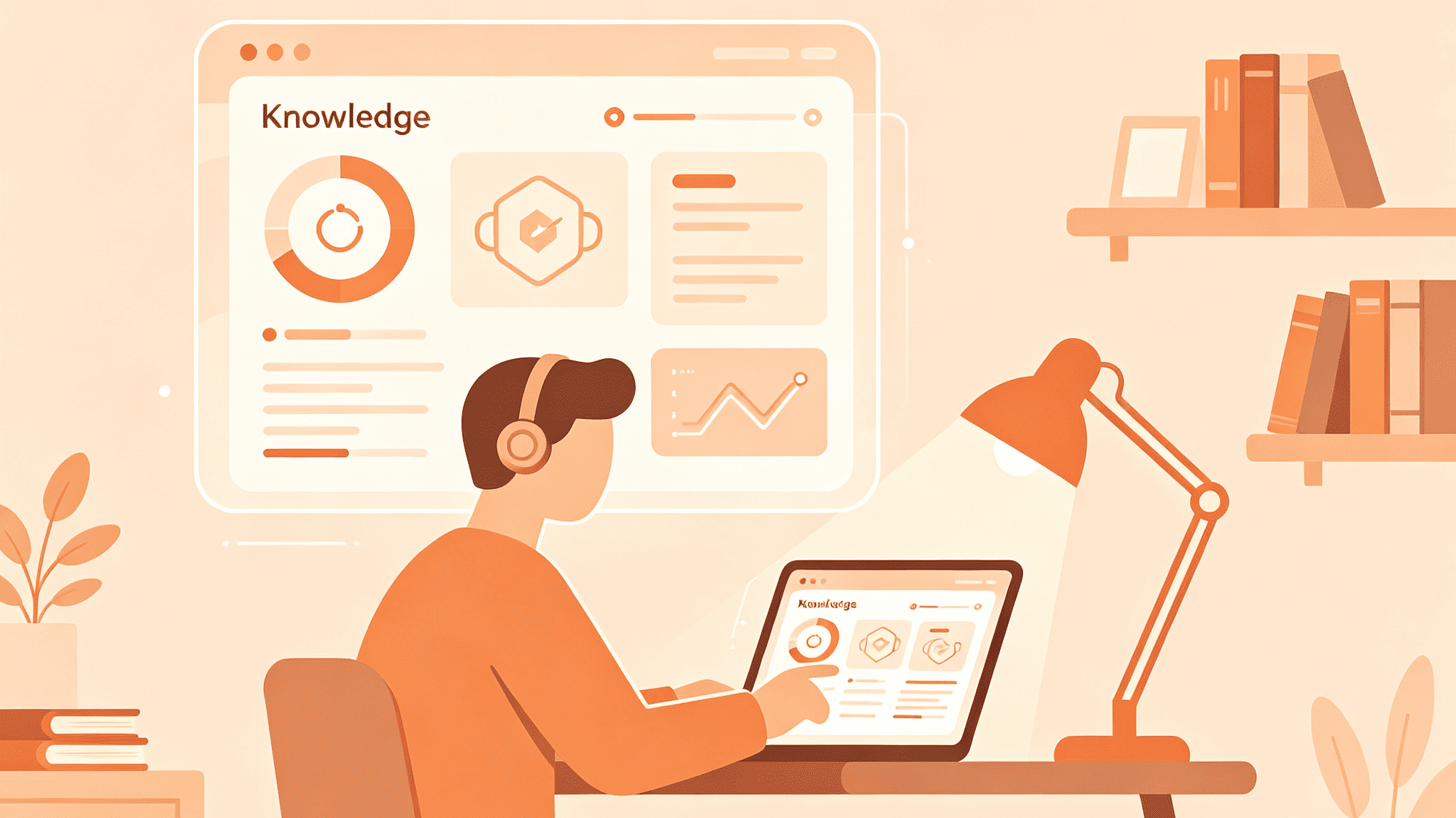
One of the most significant shifts in Slack’s evolution is its focus on knowledge management. The platform is no longer just a place where words are exchanged; it is a repository for structured information.
Slack Canvas
A Slack Canvas is a persistent document surface within a channel or DM. It allows teams to curate essential resources—text, images, files, and even interactive previews from tools like Salesforce or Google Drive—directly alongside their conversations. Instead of searching through hundreds of messages to find a project brief, a team can "pin" the brief to a Canvas, ensuring that the most current information is always one click away.
Slack Lists
Slack Lists integrate project and task management directly into the communication flow. Users can track deliverables, manage inbound requests, and assign owners to specific tasks without leaving the app. This eliminates the "context switching" penalty that occurs when employees move between a chat app and a separate project management tool like Jira or Asana.
The AI Revolution: From Searchable Logs to Agentforce
The name Slack was originally an acronym for "Searchable Log of All Communication and Knowledge." Today, that log is being activated by generative AI to provide unprecedented efficiency.
Slack AI Features
Slack AI provides several native capabilities designed to save time:
- Conversation Summaries: With one click, users can generate a concise summary of a long thread or several days of channel activity. This is invaluable for catching up after a holiday or a long afternoon of meetings.
- Enhanced Search: Instead of relying on specific keywords, users can ask natural language questions like "What did the client say about the budget last week?" and receive a cited answer based on workspace history.
- Daily Recaps: Slack AI can provide a morning digest of key activities in followed channels, helping users prioritize their focus.
Agentic AI and Agentforce
Following its acquisition by Salesforce, Slack has integrated "agentic AI." This involves AI agents that can perform tasks on behalf of the user. Through Agentforce, teams can deploy specialized agents that analyze customer data, draft marketing copy, or even initiate technical workflows based on triggers within Slack. These agents go beyond simple chatbots; they have the reasoning capability to interact with third-party software and company-specific data.
Automation and Third-Party Integrations
The true strength of Slack as a "digital headquarters" lies in its ability to connect with over 2,600 third-party applications.
The App Directory
By integrating tools such as Google Drive, Trello, Zoom, and GitHub, Slack becomes a central notification hub. A developer can receive a notification from GitHub when a pull request is approved, a salesperson can see a new lead generated in Salesforce, and a project manager can update a Trello card—all without leaving the Slack interface.
Workflow Builder
Workflow Builder is a no-code tool that allows any user to automate routine processes. For example, a team can create a workflow where a standardized form appears when a user joins a #new-hires channel, or an automatic alert is sent to an #it-requests channel whenever a specific emoji is used. This democratization of automation reduces the burden on IT departments and empowers individual teams to optimize their own operations.
Departmental Impact: How Teams Use Slack to Win
The implementation of Slack leads to measurable improvements in business outcomes. Statistics indicate that organizations using Slack see significant boosts in efficiency across various functions.
- Sales Teams: By using Slack Connect to communicate directly with external clients and using AI to summarize account histories, sales teams see an average 36% increase in win rates.
- Engineering and IT: Integration with CI/CD pipelines and incident management tools allows IT teams to resolve system outages 32% faster.
- Marketing: Real-time feedback loops on creative assets through Huddles and Clips lead to 37% faster decision-making cycles.
Slack vs. Email: Why the Shift Matters
The primary competitor to Slack is not another chat app, but the traditional email inbox. There are several reasons why modern enterprises are moving away from email:
- Contextual Organization: Emails are organized by date, making it difficult to follow a project's history. Slack is organized by topic (channels), providing instant context.
- Information Accessibility: When a new employee joins a company, they cannot see previous emails. When they join a Slack channel, they gain access to the entire searchable history of that project.
- Reduced Noise: Slack’s notification settings allow for granular control, reducing the "inbox anxiety" associated with hundreds of unread, unrelated emails.
- Security: Slack Connect offers a more secure way to collaborate with external partners than email, which is frequently the primary vector for phishing and malware attacks.
Security and Enterprise-Grade Features
For large-scale organizations, Slack offers "Enterprise Grid," which provides the security and administration features required for regulated industries. This includes:
- Data Encryption: Use of Enterprise Key Management (EKM) allows organizations to maintain control over their encryption keys.
- Compliance: Slack adheres to global standards such as GDPR, HIPAA, and FINRA.
- Slack Atlas: An enhanced employee directory that helps large organizations visualize reporting structures and find internal experts based on their Slack activity and profile data.
Conclusion
Slack has redefined the modern workplace by shifting the focus from individual communication to collective knowledge. By combining organized channels, real-time collaboration tools, and sophisticated AI integrations, it provides a unified environment where work happens faster and with greater transparency. As AI agents become more prevalent, Slack’s role as the central interface for human-AI collaboration will only solidify, making it an indispensable tool for the future of business.
FAQ
Is Slack free to use?
Yes, Slack follows a freemium model. The free version allows for basic messaging and integrations but has limitations on message history and the number of participants in Huddles. Paid tiers (Pro, Business+, and Enterprise Grid) offer unlimited history, advanced security, and full AI capabilities.
Can Slack be used for personal projects?
While Slack is primarily a business-to-business (B2B) tool, many individuals and hobbyist groups use it for community management or personal project coordination due to its robust free tier.
What is Slack Connect?
Slack Connect is a feature that allows you to work with people outside your company in the same Slack channels. It replaces the need for cross-company emails and guest accounts, providing a secure, shared space for vendors, partners, and customers.
Does Slack support video calls?
Yes, through a feature called Huddles. Huddles support audio, video, screen sharing, and live captions. For larger, more formal meetings, Slack also integrates seamlessly with Zoom, Microsoft Teams, and Google Meet.
How does Slack AI protect my data?
Slack AI operates on the customer’s own data within their workspace. Slack has stated that it does not use customer data to train large language models (LLMs) for other organizations and maintains strict data isolation to ensure privacy and security.
-
Topic: What is Slack and how does it work? | Slackhttps://slack.com/intl/es-la/resources/why-use-slack/what-is-slack-and-how-does-it-work
-
Topic: SLACK Definition & Meaning - Merriam-Websterhttps://www.merriam-webster.com/dictionary/slack?dir=w&lang=en_us
-
Topic: Slack (software) - Wikipediahttps://en.wikipedia.org/wiki/Slack_(software)