Home
Home
How Proactive Building Maintenance Protects Asset Value and Occupant Safety

Building maintenance is the invisible engine that keeps the modern built environment functional, safe, and economically viable. It is much more than a collection of janitorial tasks or the occasional repair of a broken window; it is a strategic, multidisciplinary process that integrates people, technology, and systematic workflows to preserve the structural integrity and operational efficiency of a facility. Whether managing a high-rise commercial office, a residential complex, or an industrial warehouse, the philosophy of maintenance has shifted from reactive "firefighting" to a data-driven, proactive science.
The value of a building is intrinsically tied to its condition. Neglect is a silent debt that compounds over time. When mechanical systems fail or structural elements deteriorate, the cost of restoration is often exponentially higher than the cost of consistent upkeep. Moreover, in an era where occupant well-being and environmental sustainability are paramount, building maintenance has emerged as a frontline defense for public health and carbon footprint reduction.
The Strategic Objectives of Modern Facility Maintenance
To understand the breadth of building maintenance, one must look beyond the immediate fix. Professional facility management focuses on four primary pillars that drive the long-term success of any physical asset.
Ensuring Safety and Regulatory Compliance
The primary responsibility of any building owner is the safety of its occupants. This is not just an ethical obligation but a legal one. Building codes, fire safety regulations, and health standards are rigorous and constantly evolving. Proactive maintenance ensures that life-safety systems—such as fire alarms, sprinkler heads, smoke detectors, and emergency lighting—are functional at the exact moment they are needed. Regular inspections help identify hidden hazards, such as electrical wiring degradation or structural cracks, before they lead to catastrophic failures. Failure to comply with these standards often results in severe legal liabilities and insurance complications.
Maximizing Operational Efficiency and Continuity
In a commercial environment, downtime is synonymous with financial loss. If an elevator fails in a 40-story building or the HVAC system shuts down during a summer heatwave, productivity halts and tenant satisfaction evaporates. Maintenance focuses on ensuring that every system—mechanical, electrical, and digital—operates at peak performance. This includes fine-tuning building automation systems (BAS) and ensuring that equipment runs according to manufacturer specifications, which minimizes unplanned disruptions and keeps the business running smoothly.
Aggressive Cost Management and ROI
A widely cited industry benchmark suggests that proactive maintenance is three to five times less expensive than reactive repairs. When a pump is lubricated and monitored for vibration, it may last 20 years. If ignored, that same pump might seize within seven years, requiring an emergency replacement that includes expedited shipping costs, overtime labor rates, and the collateral damage caused by the system failure. By investing in minor, scheduled interventions, facility managers effectively extend the "useful life" of expensive capital assets, deferring massive capital expenditures.
Preserving Asset Longevity and Aesthetic Value
First impressions matter in real estate. The "building envelope"—which includes the facade, windows, and roof—requires constant attention to prevent the elements from causing decay. Water intrusion is perhaps the greatest enemy of a building's longevity. Regular sealing, painting, and roof inspections prevent moisture from compromising the structure. Simultaneously, maintaining the aesthetic appeal of a building through landscaping and interior upkeep sustains its market value and attracts high-quality tenants.
Categorizing Maintenance by Strategic Intent
Not all maintenance is created equal. A sophisticated facility strategy utilizes a blend of different maintenance types, each serving a specific purpose within the lifecycle of the building.
Preventive Maintenance: The Foundation of Stability
Preventive Maintenance (PM) is the practice of performing regularly scheduled tasks to prevent equipment failure. Think of it like changing the oil in a car. PM tasks are typically time-based (e.g., every six months) or usage-based (e.g., every 5,000 run-hours). In our experience managing complex mechanical rooms, the implementation of a rigorous PM schedule for air handling units—including belt tensioning and filter replacements—is the single most effective way to reduce occupant complaints about "stuffy" air or inconsistent temperatures.
Routine Maintenance: Managing Daily Wear and Tear
Routine maintenance involves the day-to-day tasks that keep a building "liveable." This includes janitorial services, trash removal, hallway lighting replacement, and minor plumbing adjustments. While these tasks seem small, they are the most visible to occupants. A building that is clean and well-lit signals to tenants that the property is managed with care, which often discourages the mistreatment of the space by the users themselves.
Corrective Maintenance: Addressing Failures Post-Facto
Corrective maintenance, or reactive maintenance, occurs after a component has already failed or shown signs of malfunction. While the goal of any facility manager is to minimize this category, it is impossible to eliminate it entirely. The key to successful corrective maintenance is the speed of response. Having a streamlined "work order" system allows technicians to address a leaking faucet or a broken door closer before the minor issue escalates into a larger safety hazard or a source of tenant frustration.
Predictive Maintenance: The Data-Driven Frontier
Predictive maintenance (PdM) represents the cutting edge of the industry. Instead of replacing a part because the calendar says so (Preventive), PdM uses sensors and diagnostic tools to replace a part because the data shows it is about to fail. For example, using thermal imaging to scan electrical panels can reveal "hot spots" that indicate a failing circuit breaker long before it trips or causes a fire. Similarly, vibration analysis on large centrifugal pumps can detect bearing wear that the human ear would never notice. This approach ensures that maintenance is performed "just in time," maximizing the usage of every component.
Emergency Maintenance: Navigating Crisis Situations
Emergency maintenance is reserved for critical failures that pose an immediate risk to safety or the structural integrity of the building. Examples include a burst water main, a total power outage, or a gas leak. A professional maintenance plan must include a clear "Emergency Response Protocol" that identifies shut-off valves, backup power procedures, and contact lists for specialized contractors who can respond 24/7.
What Are the Core Systems in Building Maintenance?
To effectively manage a building, one must understand the complex "anatomy" of its infrastructure. Each system requires a specialized approach and a different set of technical skills.
HVAC: Heating, Ventilation, and Air Conditioning
The HVAC system is often the most complex and energy-intensive component of a building. It is the "lungs" of the facility. Maintenance here involves:
- Filter Management: Moving from standard filters to MERV 13 or higher to improve indoor air quality.
- Coil Cleaning: Dirty evaporator and condenser coils force the system to work harder, increasing energy bills by up to 30%.
- Refrigerant Levels: Ensuring there are no leaks, as low refrigerant can damage the compressor.
- Dampers and Actuators: Verifying that the mechanical louvers that control airflow are moving freely.
Electrical Systems and Power Distribution
Electrical maintenance is primarily about safety and fire prevention. Technicians must regularly inspect transformer rooms, switchgear, and distribution panels. One often-overlooked area is the testing of "Ground Fault Circuit Interrupters" (GFCIs) in wet areas and the regular exercising of emergency generators. A generator that isn't tested under load once a month may fail to start during a genuine blackout, leaving the building in total darkness.
Plumbing and Water Management
Plumbing maintenance focuses on two things: flow and containment. This includes checking backflow preventers to ensure the building’s water supply isn't contaminated, inspecting water heaters for sediment buildup, and using cameras to inspect sewer lines for root intrusion or collapses. In high-rise buildings, pressure-reducing valves (PRVs) are critical; if they fail, the high pressure can blow out domestic pipes on lower floors.
The Building Envelope: Roof, Walls, and Windows
The envelope is the building's first line of defense against the environment. Maintenance involves:
- Roofing: Clearing gutters and drains to prevent "ponding" water, which is the leading cause of roof leaks.
- Seals and Caulking: Inspecting the silicone seals around windows to prevent air drafts and moisture entry.
- Masonry and Facade: Checking for "spalling" (chipping) of concrete or bricks which can fall and injure pedestrians.
Life Safety and Fire Suppression
This is the most strictly regulated area of maintenance. It includes the annual "flow test" of fire pumps, the semi-annual inspection of kitchen hood suppression systems, and the monthly "tagging" of fire extinguishers. In modern "smart buildings," this also involves testing the integration between the fire alarm and the HVAC system (to ensure fans shut down so they don't "feed" a fire with oxygen).
The Post-Pandemic Shift in Maintenance Priorities
The global health events of recent years have permanently altered how we view building maintenance. The focus has shifted from mere "functionality" to "occupant wellness."
Enhanced Indoor Air Quality (IAQ)
Modern maintenance plans now place a heavy emphasis on ventilation rates and air filtration. We have seen a significant move toward "Demand Controlled Ventilation" (DCV), which uses CO2 sensors to increase fresh air intake when a room is crowded. Furthermore, the installation of Ultraviolet Germicidal Irradiation (UVGI) systems within air ducts has become a standard maintenance upgrade to neutralize airborne pathogens.
Hygiene and Touchless Infrastructure
Routine maintenance now includes more rigorous disinfection protocols for "high-touch" surfaces. Many facilities are also upgrading to touchless technology—such as automatic door openers, sensor-driven faucets, and voice-activated elevators—to reduce the transmission of germs. These systems, while improving hygiene, introduce new electronic components that require specialized maintenance.
How to Develop a Professional Building Maintenance Plan
Transitioning from a chaotic repair cycle to a structured maintenance program requires a systematic approach. It is a journey from being a "firefighter" to becoming a "strategic manager."
Step 1: Conduct a Comprehensive Facility Audit
You cannot maintain what you do not know you have. The first step is to create a full asset inventory. This involves walking the entire property and documenting every piece of equipment, its age, its current condition, and its manufacturer’s serial number. This "baseline" allows you to prioritize which systems need immediate attention and which can wait.
Step 2: Establish Priorities Based on Risk
Not all assets are equally important. A failure in the main lobby's lighting is an aesthetic issue; a failure in the building's fire pump is a life-safety crisis. Use a "Risk Matrix" to categorize assets. High-risk, high-impact items get the most frequent preventive maintenance, while low-risk items might be managed on a "run-to-fail" basis to save costs.
Step 3: Create a Maintenance Schedule
Using manufacturer recommendations and industry standards, create a recurring calendar of tasks.
- Daily: Walk-throughs to check for leaks or unusual noises.
- Weekly: Testing emergency lights and checking boiler pressures.
- Monthly: Inspecting fire extinguishers and changing basic filters.
- Annually: Deep cleaning of cooling towers and structural facade inspections.
Step 4: Leverage Maintenance Management Software (CMMS)
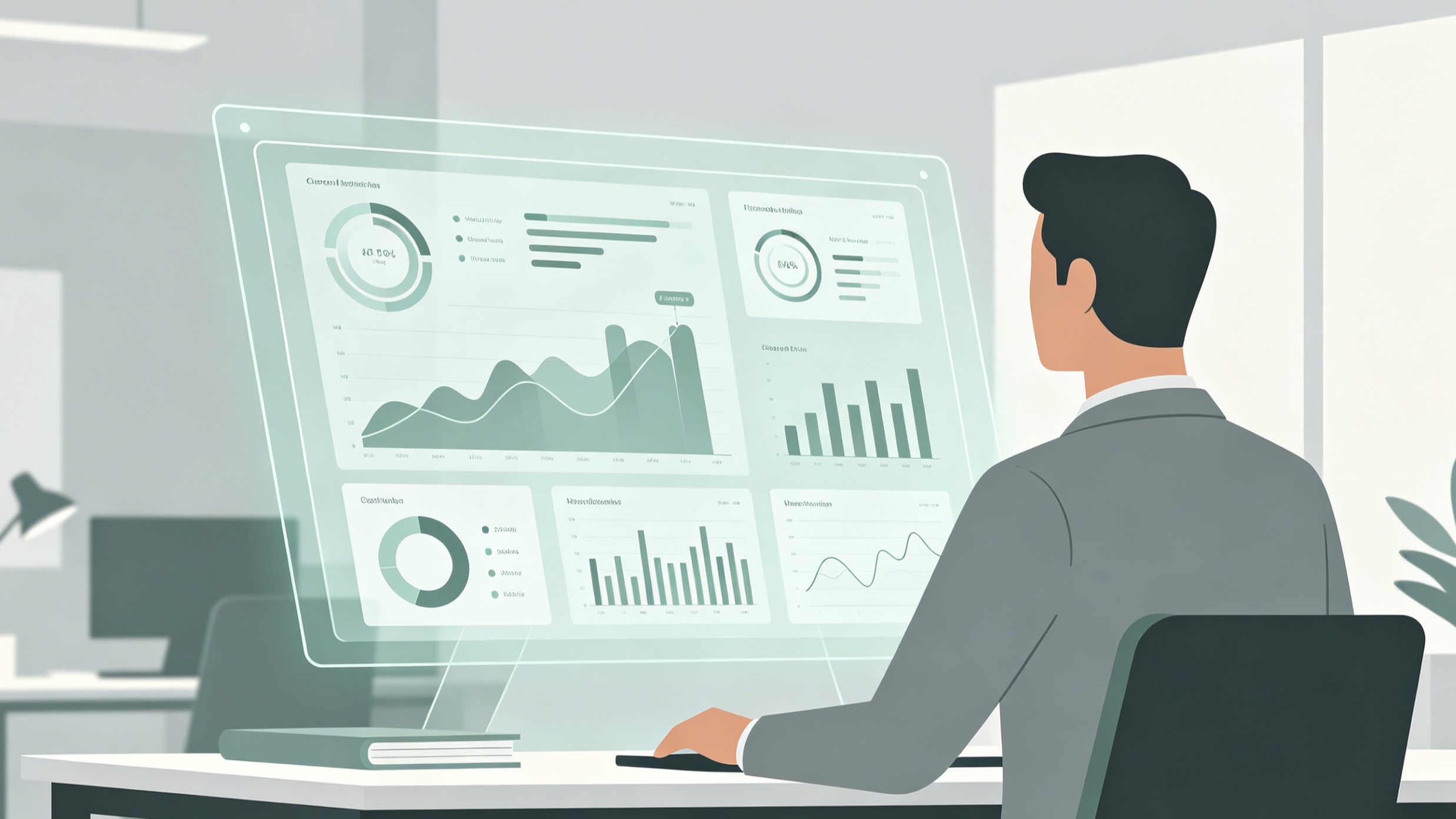
In the modern age, managing a building with paper logs or simple spreadsheets is inefficient. A Computerized Maintenance Management System (CMMS) acts as the "brain" of the operation. It automatically generates work orders, tracks the history of every asset, manages spare parts inventory, and provides data analytics. From our experience, implementing a CMMS can improve technician productivity by 20% by eliminating the "walk-back" time spent looking for paper instructions or parts lists.
Step 5: Delegate and Train
Decide which tasks will be handled by in-house staff and which require specialized external contractors. Highly technical systems like elevators or high-voltage switchgear almost always require certified third-party technicians. For in-house staff, ongoing training is essential. As buildings become "smarter," maintenance workers need to be as comfortable with a laptop as they are with a pipe wrench.
Technology and the Future of Building Maintenance
The future of maintenance lies in "Connected Buildings." We are moving toward a world where the building speaks to us.
The Internet of Things (IoT) and Real-Time Monitoring
Cheap, wireless sensors can now be attached to almost any part of a building. These sensors monitor temperature, humidity, vibration, and energy flow in real-time. If a water pipe in a remote basement starts to drip, a sensor can send an immediate alert to the facility manager's smartphone, preventing a flood. This real-time visibility transforms maintenance from a "scheduled" activity to a "responsive" one.
Building Information Modeling (BIM) in Maintenance
BIM is no longer just for architects and builders. A "Digital Twin" of a building allows maintenance teams to see "through walls." If a pipe leaks, a technician can use an iPad to look at the 3D model of the building and see exactly where the valves are located behind the drywall, drastically reducing the time spent on "search and destroy" repairs.
Conclusion and Summary
Building maintenance is the fundamental practice of preserving the built environment. It is an investment, not an expense. By moving away from reactive repairs and toward a proactive, data-driven strategy, property owners can ensure the safety of their occupants, drastically reduce long-term operational costs, and protect the financial value of their assets.
The most successful maintenance programs are those that combine traditional mechanical skills with modern technology like CMMS and IoT. Whether it is the meticulous cleaning of an HVAC coil or the strategic planning of a 10-year capital improvement budget, every action taken in maintenance contributes to a more sustainable, efficient, and safer world.
Summary Checklist for Success
- Audit Everything: Know every asset and its current health.
- Prioritize Safety: Never compromise on fire and life-safety systems.
- Go Proactive: Shift at least 70% of your work orders to "Preventive" or "Predictive."
- Use Data: Implement a CMMS to track costs and performance.
- Focus on Air: Modernize your HVAC maintenance to ensure occupant wellness.
Frequently Asked Questions
What is the difference between facility management and building maintenance?
While the terms are often used interchangeably, building maintenance is a subset of facility management. Maintenance focuses specifically on the physical upkeep and repair of the building's systems and structure. Facility management is a broader discipline that includes space planning, tenant relations, lease management, and overall workplace strategy.
How much should a building maintenance budget be?
A common rule of thumb is to budget between 2% and 4% of the building’s replacement value annually for maintenance. However, this varies depending on the age of the building, the complexity of its systems, and the level of usage. Older buildings or those with mission-critical infrastructure (like data centers) will require a higher percentage.
Is preventive maintenance always better than reactive maintenance?
In 90% of cases, yes. However, for non-critical, low-cost items that are easy to replace (like a lightbulb in a non-essential storage closet), a "run-to-fail" strategy might be more cost-effective than spending labor hours on scheduled inspections. The key is to consciously choose which items fall into which category.
How often should HVAC filters be changed?
In a typical commercial office, filters should be inspected every month and usually changed every three months. However, in environments with high pollutants or during seasons with high pollen or wildfire smoke, this frequency may need to be increased to monthly or even bi-weekly to maintain air quality and system efficiency.
What is a CMMS and do I really need one?
A Computerized Maintenance Management System (CMMS) is software that centralizes maintenance information and facilitates the processes of maintenance operations. If you manage more than 20,000 square feet or have complex mechanical systems, a CMMS is essential for tracking work orders, managing costs, and ensuring that preventive tasks don't slip through the cracks.
-
Topic: Unit-1 Maintenance of Buildingshttps://mail.ggpahmedabad.in/deptdocuments/doc1634114082.pdf
-
Topic: Why Building Maintenance Matters More Post-Pandemichttps://facilio.com/learn/what-is-building-maintenance/
-
Topic: 5 Effective Steps for Managing Building Maintenance - FieldExhttps://www.fieldex.com/en/blog/how-to-manage-building-maintenance