Home
Home
How Microsoft Commercials Use Cinematic Storytelling to Sell the Future of AI

The landscape of Microsoft commercials has undergone a radical transformation. Moving away from the era of functional demonstrations and spec-heavy hardware ads, the tech giant has embraced a sophisticated, cinematic approach that prioritizes emotional storytelling and the "Empowerment" narrative. In 2025 and 2026, the focus has shifted entirely toward how artificial intelligence—specifically Microsoft Copilot—and a unified ecosystem of devices can elevate the human experience. From high-budget Super Bowl spots to gritty, director-driven short films for Xbox, Microsoft is no longer just selling software; it is selling a version of the future where technology fades into the background, leaving human potential as the protagonist.
The Core Pillars of Modern Microsoft Advertising
To understand any recent commercial for Microsoft, one must look at the overarching mission statement: "To empower every person and every organization on the planet to achieve more." This isn't just a corporate slogan; it is the creative brief for every video asset the company produces.
The Empowerment Narrative
Modern Microsoft ads rarely start with a screen share or a feature list. Instead, they begin with a human problem. Whether it is a farmer in rural Nebraska using Azure-powered data to save a failing crop or a student with limited mobility using an Adaptive Controller to compete in high-stakes gaming, the story is always about the user. The technology is presented as the catalyst that makes the "impossible" possible.
AI as a Creative Partner (The Copilot Era)
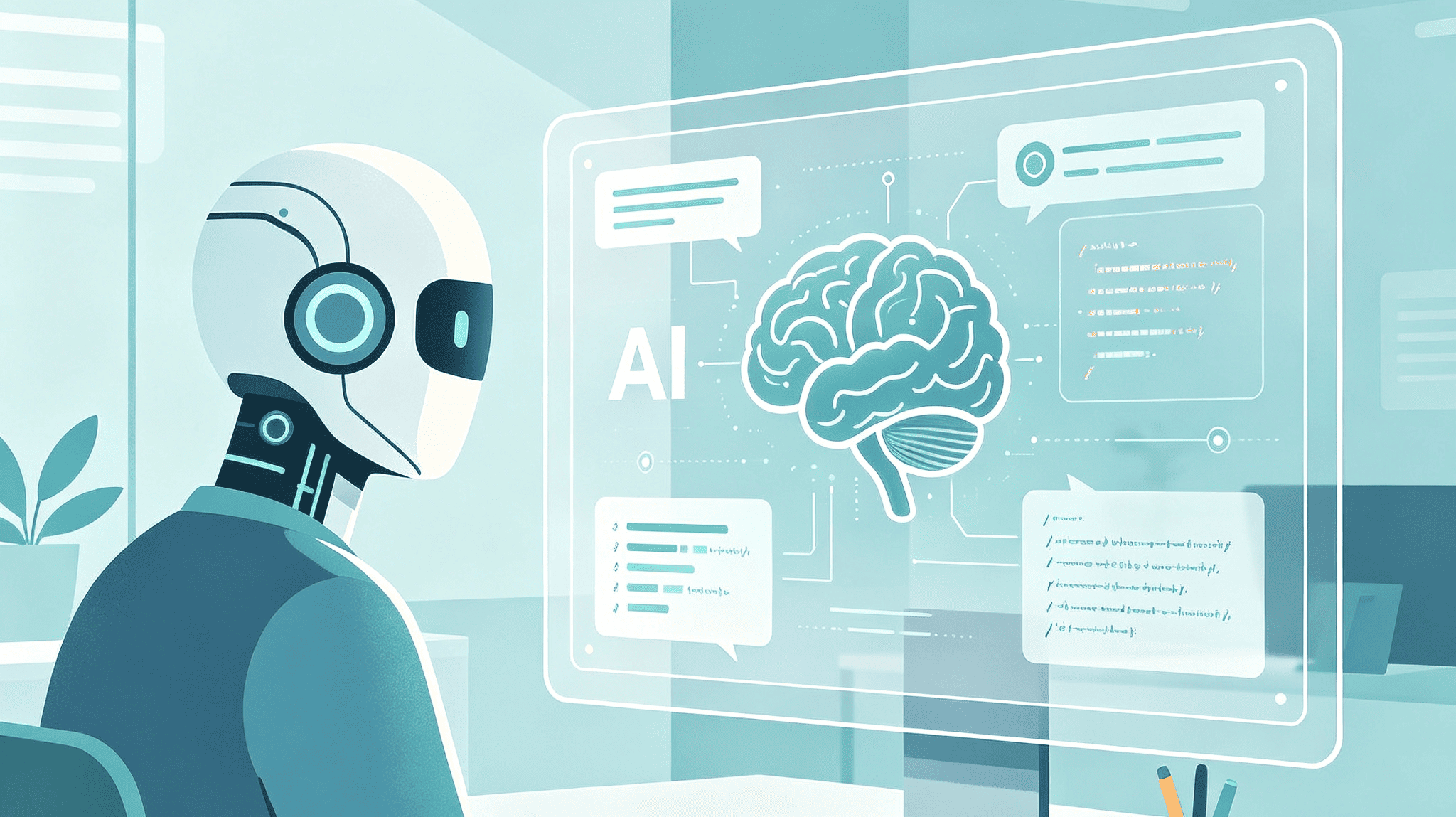
Since 2024, the "Copilot" brand has dominated Microsoft's media spend. These commercials focus on the transition from "idea" to "execution." The visual language often involves a "blank page" being rapidly filled with storyboards, code, or business plans through simple natural language prompts. By positioning AI as a partner rather than a replacement, Microsoft avoids the "uncanny valley" of tech anxiety and instead creates an inviting, collaborative atmosphere.
Trust, Security, and Ethical AI
As the public grows more skeptical of automation, Microsoft’s commercials have begun to lean heavily into "Security by Design." Recent enterprise-focused spots emphasize that your data remains yours. These ads use a more muted, professional palette—lots of deep blues and clean whites—to convey stability and corporate maturity compared to the "Wild West" feel of newer AI startups.
Analyzing the High-Profile Cinematic Shifts
Perhaps the most significant change in Microsoft’s advertising strategy is its willingness to collaborate with world-class filmmakers to create content that feels like cinema rather than a traditional sales pitch.
The David Fincher Xbox Collaboration
In early 2025, Microsoft and Samsung surprised the industry by partnering with legendary director David Fincher (known for Seven and Fight Club) for an Xbox campaign titled "Wake Up." This commercial is a masterclass in psychological storytelling.
The ad features Horatio, an anthropomorphic rat living a life of quiet desperation in a gritty, industrial city. The cinematography is classic Fincher—underexposed frames, dull fluorescent lighting, and a palpable sense of urban decay. We see Horatio enduring a soul-crushing commute and a monotonous office job. The "rat race" isn't just a metaphor; it is his literal reality.
The turning point occurs when Horatio returns home to his Samsung OLED TV and powers on his Xbox. The transition is profound. As he connects with friends in a vibrant gaming world, the dark, desaturated tones of his "real life" are replaced by the vivid colors of the digital realm. The message is clear: gaming is a transformative escape that "rekindles humanity." By hiring a director associated with dark thrillers, Microsoft signaled that Xbox is a mature brand capable of handling complex emotional themes.
Michel Gondry and the "This Is An Xbox" Campaign
As the 2025 holiday season approached, Microsoft tapped Michel Gondry to evolve the "This Is An Xbox" campaign. Unlike Fincher’s dark realism, Gondry brought his signature whimsical, practical-effects-heavy style to the screen.
The commercial focuses on the "multiplatform hill" that Microsoft has decided to climb. The visual narrative shows a seamless journey across devices—a phone on a bus, a laptop in a cafe, and a handheld device like the ROG Ally—all being identified as "an Xbox." This campaign is a strategic pivot. It tells the viewer that "Xbox" is no longer a box under your TV; it is a service that lives wherever you are. The ad succeeds because it uses Gondry’s playful transitions to make a complex business shift (moving away from console exclusivity) feel intuitive and joyful.
The Power of the Super Bowl: Copilot’s Big Stage
The Super Bowl remains the ultimate litmus test for American advertising, and Microsoft’s 2024 and 2025 appearances have been pivotal for the Copilot brand.
The "Watch Me" Moment
The 2024 Super Bowl commercial for Copilot was built around the phrase "Watch me." It showcased a diverse array of individuals—entrepreneurs, filmmakers, and students—using AI to bypass traditional barriers to entry.
From an "Experience" standpoint, this ad resonated because it captured the specific anxiety of the "creative block." We see a young woman staring at a blank script; she types a few words into Copilot, and suddenly, a rich set of storyboards appears. The ad doesn't suggest the AI wrote the movie; it suggests the AI helped her start. This subtle distinction is why Microsoft's AI ads often feel more "human" than those of its competitors. They focus on the relief of productivity rather than the technical marvel of the Large Language Model (LLM).
The Technical Vibe of AI Ads
Visually, these commercials use a specific UI language. The Copilot icon is often shown glowing with a soft, iridescent gradient. When the AI generates content, the screen doesn't just "pop" into existence; it flows. This fluidity is intentional, designed to make the interaction feel natural and less like "computing."
Purpose-Driven Advertising: Accessibility and Inclusion
One of the most decorated commercials in Microsoft's history is the "We All Win" spot for the Xbox Adaptive Controller. This ad serves as a blueprint for how the company handles social impact.
"When Everybody Plays, We All Win"
The commercial features real children with varying physical disabilities. It documents their excitement as they use the modular, highly customizable Adaptive Controller to play games at the same level as their peers.
What makes this commercial effective is its lack of pity. It doesn't treat the children as "inspiring" in a patronizing way; it treats them as gamers. The "experience" being sold is the thrill of competition and the joy of shared social spaces. By solving a problem for a niche community, Microsoft effectively communicated its broader brand purpose: that technology should be an equalizer, not a divider.
The Shift from "Temporal Goals" to "Enduring Mission"
As noted by CEO Satya Nadella, the company moved from the goal of "a PC in every home" to the mission of "empowerment." This shift is evident in ads that focus on education and healthcare. Commercials featuring "AI for Earth" or "AI for Accessibility" use documentary-style cinematography—handheld cameras and natural lighting—to create a sense of authenticity and urgency.
The Evolution: From "Start Me Up" to "Agentic Web"
To appreciate where Microsoft commercials are today, one must look at where they began. The trajectory reflects the broader history of the personal computing industry.
The 1990s: Windows 95 and the Celebrity Push
The Windows 95 launch was arguably the first "modern" tech marketing blitz. Microsoft spent a staggering $200 million, including $8 million to license The Rolling Stones' "Start Me Up." The commercial was frantic, high-energy, and focused on a single feature: the "Start" button. It was about a specific tool for a specific task.
The 2000s: "I'm a PC"
In response to Apple’s highly successful "Get a Mac" campaign (which portrayed the PC as a stodgy, suit-wearing bore), Microsoft launched the "I'm a PC" series. These ads featured a diverse range of people—from celebrities like Eva Longoria to everyday scientists and children—all proudly reclaiming the "PC" identity. This was the first major step toward "human-centric" advertising, moving the focus from the operating system to the people who used it.
2026 and Beyond: The Agentic Web
According to current strategic shifts, Microsoft's future commercials will focus on the "Agentic Web." This represents a move from AI as a "chat interface" to AI as an "action agent."
Imagine a commercial where a user doesn't just ask Copilot for a travel itinerary, but the AI actually books the flights, reserves the dinner table based on the user’s past preferences, and coordinates with the user’s calendar—all shown in a single, seamless visual sequence. The marketing messaging is shifting from "AI as a tool" to "AI as an agent that takes action on your behalf."
The Omnichannel Strategy: How Microsoft Reaches You
While high-budget TV spots grab headlines, Microsoft’s advertising effectiveness relies on a multi-layered "omnichannel" approach.
B2B and LinkedIn
Microsoft leverages LinkedIn (which it owns) for hyper-targeted account-based marketing (ABM). Commercials here are more analytical, focusing on ROI, digital transformation, and security benchmarks. They often feature testimonials from CTOs and industry leaders, using a "thought leadership" tone rather than an emotional one.
In-Product Marketing
A controversial but effective "commercial" space is within Windows itself. Users often see subtle prompts in the Start menu or through "PC Manager" suggesting the benefits of Microsoft 365 or OneDrive. These are "utility commercials"—they appear at the moment of need, offering a solution to a storage or productivity problem.
Retail and Influencer Collaborations
For hardware like the Surface Laptop Studio, Microsoft shifts its visual style to match the "creator economy." These ads often resemble high-end fashion or architectural photography—minimalist, aesthetic-focused, and emphasizing tactile experience (the click of the keyboard, the hinge of the screen). Collaborations with tech influencers like Marques Brownlee provide a layer of "social proof" that traditional commercials cannot replicate.
Why the Messaging Matters for the Industry
Microsoft’s advertising strategy serves as a bellwether for the tech industry. When Microsoft shifts from "selling a console" to "selling an ecosystem" (as seen in the Michel Gondry ads), it forces competitors like Sony and Nintendo to re-evaluate their own messaging.
By focusing on AI empowerment, Microsoft is also attempting to "own" the narrative of the next industrial revolution. While Google and Apple have their own AI initiatives, Microsoft's commercials are the most aggressive in showing practical, everyday utility. They are trying to make Copilot as synonymous with "work" as Windows was with "computers" in the 90s.
Summary of the Modern Microsoft Ad Aesthetic
| Feature | 1990s - 2000s Style | 2024 - 2026 Style |
|---|---|---|
| Primary Focus | Software features & OS specs | Human potential & AI empowerment |
| Visual Tone | Bright, corporate, frantic | Cinematic, textured, emotional |
| Key Product | Windows / Office | Copilot / Unified Ecosystem |
| Director Style | Commercial traditionalists | Cinematic auteurs (Fincher, Gondry) |
| Message | "A PC on every desk" | "Empower every person" |
Conclusion
Microsoft's commercials have evolved into a sophisticated blend of high-art cinematography and purpose-driven marketing. By hiring directors like David Fincher to explore the "rat race" through the lens of gaming, or using the Super Bowl to showcase the liberating potential of AI, Microsoft has successfully rebranded itself. It is no longer just a provider of "productivity tools"; it is a brand that champions the "Watch me" moments of human creativity. As we move further into the era of the Agentic Web, expect these ads to become even more personalized, focusing on how AI agents can handle the mundane tasks of life, leaving us free to achieve more.
Frequently Asked Questions (FAQ)
What was the most expensive Microsoft commercial?
While exact figures are often proprietary, the Windows 95 "Start Me Up" campaign is historically one of the most expensive, with a $200 million total marketing budget and $8 million just for the song rights. In modern terms, Super Bowl spots (like the 2024 Copilot ad) cost approximately $7 million for 30 seconds of airtime, excluding production costs.
Who directed the latest Xbox commercial?
The recent "Wake Up" campaign for Xbox and Samsung (2025) was directed by David Fincher. Another major 2025 campaign, "This Is An Xbox," was directed by Michel Gondry.
Why is Microsoft focusing so much on Copilot in its ads?
Microsoft views AI as the next major computing platform. By branding Copilot across all their commercials, they aim to build "brand salience," making sure that when consumers think of AI assistance, they immediately think of Microsoft.
Are Microsoft's ads different for business vs. consumers?
Yes. Consumer ads (Xbox, Surface) focus on emotion, escape, and creativity. Business ads (Azure, Microsoft 365) focus on reliability, security, and the "Return on Investment" (ROI) of digital transformation, often appearing on platforms like LinkedIn.
What is the song in the recent Microsoft holiday commercial?
Microsoft frequently uses nostalgic or uplifting tracks. For example, the "Dog's Dream" holiday spot featured "Alright" by Supergrass, while older Windows 10 ads used "Confidence" by Ocean Alley. The Michel Gondry "This Is An Xbox" ad features a custom score designed to sync with the practical visual transitions.
-
Topic: Microsoft got the director of Seven, Fight Club, and Alien 3 to make an Xbox commercialhttps://www.tweaktown.com/news/104557/microsoft-got-the-director-of-seven-fight-club-and-alien-3-to-make-an-xbox-commercial/index.html
-
Topic: Check out Microsoft’s Super Bowl 2024 commercial - MSPoweruserhttps://mspoweruser.com/check-out-microsofts-super-bowl-2024-commercial/?language=sk
-
Topic: How Microsoft's Super Bowl Ad Illustrates Brand Purpose - 20nine | Purpose First Creative Brand Agency, Philadelphia — 20nine | Purpose First Creative Brand Agency, Philadelphiahttps://www.20nine.com/blog/how-microsofts-super-bowl-ad-illustrates-brand-purpose/