Home
Home
How Apple Watch Sleep Tracking Turns Nightly Data Into Better Rest
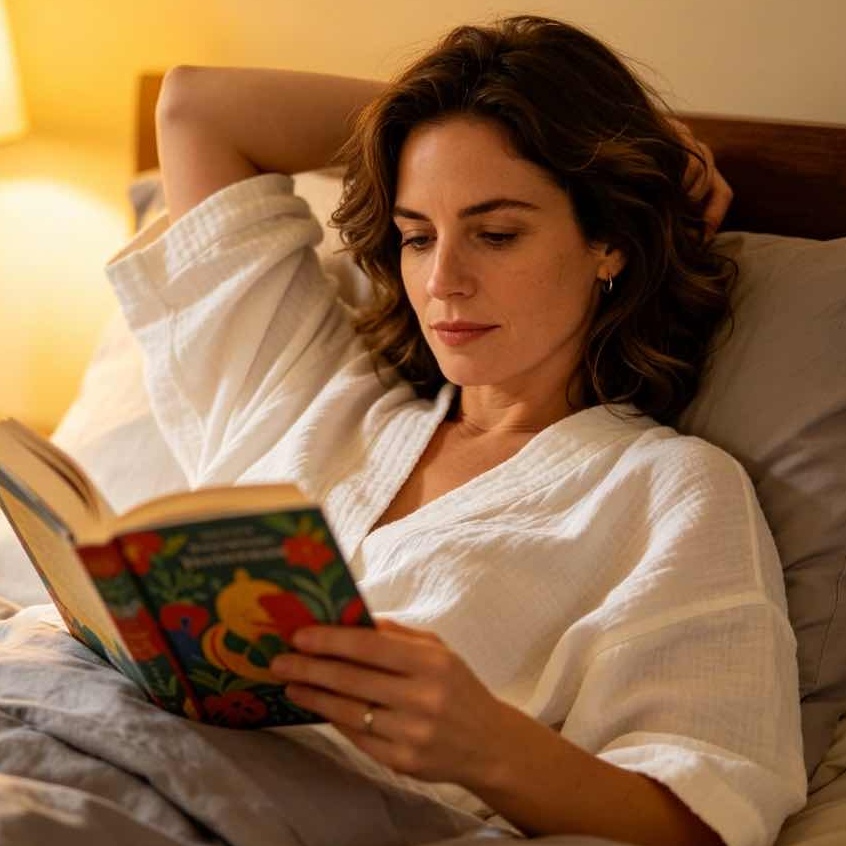
Apple Watch sleep tracking provides a sophisticated window into the hours spent in bed, moving far beyond a simple record of when a person falls asleep and wakes up. By leveraging a complex array of hardware sensors and machine learning models, the device categorizes sleep into distinct physiological stages, monitors respiratory health, and tracks long-term trends. This system integrates seamlessly into the broader Apple Health ecosystem, offering actionable insights for those looking to optimize their recovery and daily performance.
The Underlying Technology of Apple Watch Sleep Tracking
Understanding how a wrist-worn device can estimate brain activity stages requires a look at sensor fusion. The Apple Watch does not measure brain waves directly, unlike a clinical polysomnography (PSG) test. Instead, it "listens" to the body's peripheral signals.
The Role of the 3-Axis Accelerometer
The accelerometer is the primary tool for detecting sleep. It captures motion across three planes with high sensitivity, identifying not just large movements like rolling over, but also subtle oscillations. These micro-movements include the rhythmic rising and falling of the chest during respiration. By analyzing these patterns in 30-second windows (known as epochs), the device determines whether a user is still enough to be considered asleep.
Optical Heart Sensor and HRV
The back of the Apple Watch features green and infrared LEDs that measure heart rate and heart rate variability (HRV). During sleep, the autonomic nervous system shifts. In deep sleep, the heart rate typically slows and becomes more regular. During REM (Rapid Eye Movement) sleep, the heart rate can become irregular as the brain becomes more active. By cross-referencing movement data with these cardiac fluctuations, the Apple Watch improves the accuracy of its sleep stage classification.
Respiratory Rate and Temperature Monitoring
Supported models, starting from the Series 3 for breathing and Series 8 for temperature, add additional layers of context. The watch records the number of breaths per minute while a user is asleep. Spikes or drops in respiratory rate can signal underlying issues like an oncoming illness or changes in the sleeping environment. The temperature sensor, meanwhile, tracks baseline variations in wrist temperature, which can fluctuate based on factors ranging from room environment to hormonal cycles.
Breaking Down the Four Sleep Stages
Apple categorizes sleep into four states: Awake, REM, Core, and Deep. This classification is designed to simplify complex clinical data while remaining scientifically grounded.
The Mystery of Core Sleep
Many users wonder why Apple uses the term "Core" instead of "Light" sleep, which is common in other fitness trackers. In the context of Apple Watch data, Core sleep encompasses stages N1 and N2 of the non-REM sleep cycle. N2 sleep actually makes up the majority of a healthy night’s rest (often over 50%) and is vital for memory consolidation and metabolic regulation. By calling it "Core," Apple acknowledges that this stage is a fundamental and necessary part of rest, rather than just a "light" or superficial phase.
The Necessity of Deep Sleep
Deep sleep, or stage N3 (Slow Wave Sleep), is the most physically restorative phase. During this time, the body repairs tissues, builds bone and muscle, and strengthens the immune system. The Apple Watch identifies this stage by looking for periods of near-total stillness combined with very steady heart and respiratory rates.
REM Sleep and Mental Recovery
REM sleep is where most dreaming occurs. It is crucial for emotional regulation and complex learning. In our testing and observation, REM sleep often appears in longer bursts toward the end of the night. The Apple Watch identifies REM by detecting increased heart rate variability and slight changes in breathing patterns that mimic a waking state, even though the body remains motionless.
Periods of Being Awake
It is normal to wake up briefly during the night, often for such short periods that we don't remember them in the morning. The Apple Watch is particularly effective at catching these "micro-awakenings." If the data shows frequent, long periods of being awake, it might suggest environmental disruptions like noise, light, or an uncomfortable mattress.
Setting Up Sleep Tracking for Success
To get the most out of the feature, the setup process must be handled correctly within the iOS Health app.
- Onboarding: In the Health app on iPhone, navigate to the "Browse" tab and select "Sleep." From there, users can set a "Sleep Goal" (e.g., 8 hours) and a "Sleep Schedule."
- The Sleep Focus: This is a critical software feature. When Sleep Focus is active, the watch face simplifies, the "Always On" display dims significantly, and notifications are silenced. This reduces the temptation to check the time or respond to messages if you wake up in the middle of the night.
- The 30% Battery Rule: The Apple Watch requires at least 30% battery to track a full night of sleep. If the charge is lower, the watch will prompt the user to charge before bed.
Real-World Battery Management
For many users, the biggest hurdle is finding time to charge. In our experience, the most effective routine is a "top-off" strategy. Charging the watch for 30–45 minutes during the morning shower or while getting ready for work usually provides enough power to last through the day and the following night. For those using the Apple Watch Ultra, the multi-day battery life makes this much less of a concern, often allowing for two or three nights of tracking between charges.
Interpreting Sleep Scores and Trends
Once the watch collects data, it presents it in a series of charts within the Health app and the Sleep app on the watch itself.
The Value of the Sleep Score
Recent WatchOS updates have introduced a Sleep Score. This isn't just a measure of time; it’s a weighted average of duration, consistency, and the quality of stages. A high score usually indicates that the user stayed within their scheduled window and achieved a healthy balance of Deep and REM sleep.
Analyzing Long-Term Trends
A single night of poor sleep is rarely a cause for concern. The power of Apple Watch sleep tracking lies in the 14-day and 6-month trends. For instance, a user might notice that their Deep sleep percentage drops significantly on Friday and Saturday nights. This often correlates with lifestyle choices—such as late-night meals or alcohol consumption—providing a clear visual incentive to change habits.
Integration with the Vitals App
In the latest versions of WatchOS, the "Vitals" app pulls sleep data into a unified dashboard. It compares nightly metrics (heart rate, respiratory rate, wrist temperature) against the user’s established baseline. If multiple metrics are "out of range," the app provides a notification. This can be an early warning sign of stress, overtraining, or the onset of the flu.
Optimizing Accuracy Through Physical Factors
The sensors are highly capable, but their performance depends on how the watch is worn.
Wrist Fit and Placement
If the watch is too loose, the optical heart sensor will experience "light leakage," leading to inaccurate heart rate readings. Conversely, if it is too tight, it may restrict blood flow or cause discomfort that actually disrupts sleep. The ideal fit is snug but comfortable, roughly one finger-width above the wrist bone.
Wrist Temperature Sensitivities
The temperature sensor is sensitive to the external environment. If a user sleeps with their arm outside the covers in a cold room, the wrist temperature reading might show a dip that isn't reflective of their actual core body temperature. It is important to view temperature data as a relative trend rather than an absolute medical value.
Comparing Apple Watch to Clinical Standards
It is vital to maintain a realistic perspective on what consumer wearables can achieve.
Not a Diagnostic Tool
The Apple Watch is not a medical device. It cannot diagnose sleep apnea, restless leg syndrome, or chronic insomnia. While it can track "respiratory rate," it does not currently have the FDA clearance to act as a standalone diagnostic tool for sleep disorders in most regions.
Reliability vs. Precision
Research comparing the Apple Watch to PSG has shown that while the watch is excellent at identifying sleep/wake times, it can sometimes misidentify the boundaries between Core and REM sleep. For the average consumer, this level of precision is more than sufficient to track health trends, but those with suspected medical sleep issues should always consult a physician for a clinical study.
Subjective Insights: Living with the Data
In our months of testing various Apple Watch models, from the SE to the Ultra 2, the most significant impact on behavior came from the "Wind Down" feature. By setting a Wind Down period of 45 minutes, the watch effectively trains the brain to disengage from digital stimulation.
We also observed that the "Haptic Alarm" is a game-changer for couples. Instead of a loud audio alarm that wakes everyone in the room, the watch uses a gentle, rhythmic tapping on the wrist to wake the wearer silently. This leads to a much less jarring transition from the sleep state to the waking state.
Conclusion
Apple Watch sleep tracking has evolved into a comprehensive wellness tool that balances technical depth with user accessibility. By monitoring movement, heart rate, and temperature, it provides a detailed breakdown of sleep stages and health vitals. While it is not a replacement for clinical diagnosis, its ability to visualize long-term trends makes it an invaluable asset for anyone serious about improving their recovery and understanding their body's nightly needs. Through proper setup, consistent battery management, and an understanding of the "Core" sleep philosophy, users can turn raw data into a roadmap for better health.
Frequently Asked Questions
Can Apple Watch track naps?
Historically, Apple Watch was designed primarily for scheduled nighttime sleep. However, with the latest software updates, the watch has improved its ability to detect periods of rest outside of the primary sleep schedule, though these may not always be categorized with the same level of stage detail as scheduled sleep.
Does sleep tracking drain the battery significantly?
Sleep tracking typically consumes between 10% and 15% of the battery over an 8-hour period, depending on the model and whether features like the blood oxygen sensor are active.
Why did my watch not record any sleep data last night?
The most common reasons for missing data are:
- The battery was below 30% at bedtime.
- "Track Sleep with Apple Watch" was disabled in settings.
- The watch was worn too loosely for the sensors to get a reading.
- The user slept for less than one hour.
Can I see my sleep data on my iPad?
Yes, as long as your iPad is running a compatible version of iPadOS, the Health app will sync your sleep data via iCloud, allowing you to view detailed charts and trends on a larger screen.
How does the watch know I'm awake if I'm just lying still?
The watch uses a combination of heart rate and micro-movement. Even if you are lying perfectly still, your heart rate and HRV typically shift when you transition from sleep to wakefulness, allowing the algorithm to identify the change.
-
Topic: Estimating Sleep Stages from Apple Watchhttps://www.apple.com/health/pdf/Estimating_Sleep_Stages_from_Apple_Watch_Oct_2025.pdf
-
Topic: Track your sleep on Apple Watch and use Sleep on iPhone - Apple Supporthttps://www.support.apple.com/en-us/108906
-
Topic: Track your sleep with Apple Watch - Apple Supporthttps://support.apple.com/guide/watch/track-your-sleep-apd830528336/watchos/?ref=myradiantsleep.com