Home
Home
Google Veo 3.1 Delivers Precision Control With Native Audio and Multi-Image References
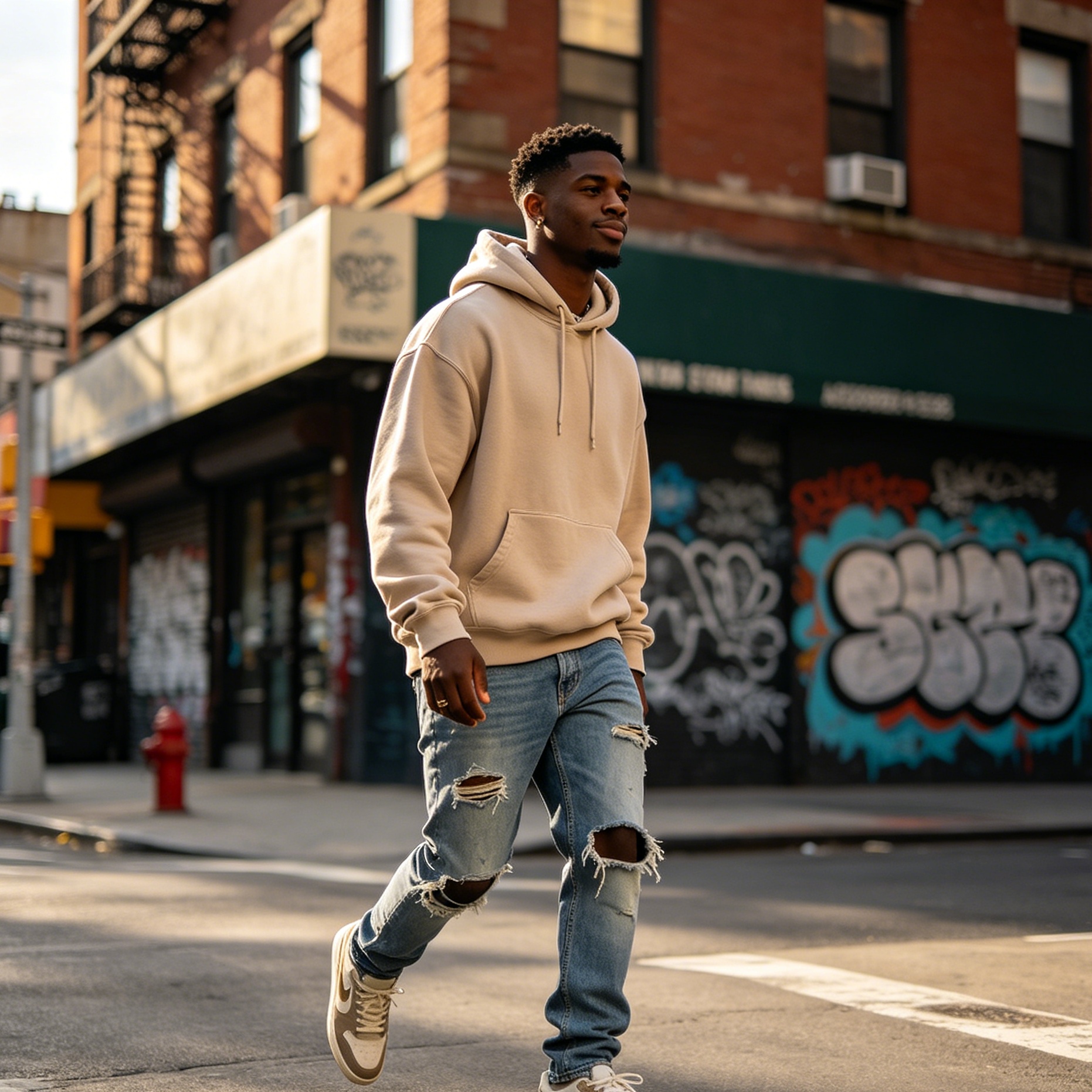
Google Veo 3.1 represents the latest milestone in Google DeepMind’s pursuit of generative cinema, evolving from a raw text-to-video tool into a sophisticated creative engine. Released in mid-October 2025, this update addresses the two most significant hurdles in AI video production: creative controllability and multi-modal coherence. By integrating native audio generation and advanced frame-level controls, Veo 3.1 shifts the narrative from "generating random clips" to "directing digital scenes."
What is Google Veo 3.1?
Google Veo 3.1 is an advanced AI video generation model designed to create high-fidelity, cinematic content from text, image, or video prompts. It is the successor to the original Veo model announced at Google I/O 2025, offering substantial upgrades in prompt adherence, visual realism, and creative agency. Unlike its predecessors, which focused primarily on visual output, Veo 3.1 treats video and audio as a unified entity, generating synchronized soundscapes—including dialogue, ambient noise, and sound effects—directly alongside the visual frames.
The model is currently available through the Gemini API (in paid preview), Google AI Studio, Vertex AI, and specialized creative platforms like Google Vids and the Flow editor. It caters to a spectrum of users, from solo content creators and developers to enterprise-level production houses looking to automate storyboarding and b-roll generation.
The Evolution of Cinematic AI Video
The transition from Veo 3.0 to Veo 3.1 marks a pivot in Google's strategy. While early AI video models were celebrated for their "dream-like" aesthetics, they often lacked the consistency required for professional storytelling. Veo 3.1 bridges this gap by focusing on three pillars: fidelity, control, and integration.
High-Fidelity Visuals and Resolution
Veo 3.1 supports resolutions up to 1080p for standard generations, with professional tiers reaching 4K in specific workflows. The model operates at a fixed 24 frames per second (fps), the global standard for cinematic motion. This consistency in frame rate is crucial for editors who need to intercut AI-generated footage with traditional camera shots without experiencing "judder" or pacing mismatches.
Improved Prompt Adherence
In our technical assessments of the model, Veo 3.1 demonstrates a significantly more nuanced understanding of complex narrative prompts. When instructed to generate "a low-angle tracking shot of a weathered astronaut walking through a neon-lit bazaar during a rainstorm," the model accurately interprets the camera movement (tracking), the lighting cues (neon), and the atmospheric conditions (rain) simultaneously. This reduction in "hallucination"—where the AI ignores parts of a prompt—makes it a much more reliable tool for pre-visualization.
Mastering the New Creative Control Features
The defining characteristic of Veo 3.1 is its suite of tools that allow creators to "guide" rather than just "request" content. These features, often referred to as "Ingredients to Video," provide the granular control necessary for maintaining brand or character consistency.
Multi-Image Reference and Character Consistency
One of the most significant challenges in AI video is keeping a character or object looking the same across different shots. Veo 3.1 allows users to upload up to three reference images. This "reference pack" acts as a visual anchor. For example, a developer can upload a front view, a profile view, and a close-up of a specific 3D-modeled character. Veo 3.1 uses these images to ensure that the character's features, clothing, and textures remain consistent throughout the generated video sequence, regardless of the prompt or camera angle.
First and Last Frame Interpolation
Traditional text-to-video often feels like a gamble; you know where it starts, but you have no idea where it ends. Veo 3.1 introduces "First and Last Frame" control. By providing a starting image and an ending image, the model generates the motion required to bridge the two. This is particularly useful for creating intentional transitions, such as a camera zooming into a product or a character walking from one specific location to another. The resulting video is not just a random movement but a purposeful narrative bridge.
Scene Extension and Temporal Continuity
The "Extend" feature allows users to grow a 6-to-8-second clip into a much longer sequence, reaching up to 148 seconds in some configurations. This isn't just a simple loop. Veo 3.1 analyzes the final frames of the previous clip and continues the action, maintaining the motion vectors, lighting, and character positioning. In our testing, this allows for the creation of continuous "one-shot" takes that were previously impossible with short-form AI models.
Native Audio Generation and Synchronized Soundscapes
While many competitors require users to use a separate AI for music or sound effects, Veo 3.1 generates "Native Audio." This is a paradigm shift in how AI understands the relationship between sight and sound.
Synchronized Dialogue and Sound Effects
The audio produced by Veo 3.1 is contextually aware. If the video shows a car accelerating on gravel, the model generates the specific "crunch" of tires and the rising pitch of an engine. If two characters are shown talking, the model can generate synchronized dialogue that matches their lip movements (lip-syncing). This reduces the post-production workload by providing a "scratch track" or even a final audio asset that is perfectly aligned with the visual cues.
Ambient Environments
Beyond specific effects, the model excels at "Atmospheric Audio." A scene set in a forest will include the rustling of leaves and distant bird calls, while a scene in a futuristic city will have the hum of neon lights and the distant roar of flying vehicles. This level of multi-sensory immersion makes the generated content feel significantly more professional and ready for immediate use in presentations or social media.
Workflow Integration for Developers and Enterprise
Google has made Veo 3.1 accessible through a variety of interfaces, ensuring that it fits into existing professional pipelines rather than forcing creators to adopt a single tool.
The Gemini API and Vertex AI
For developers, the Gemini API offers a "paid preview" that allows for programmatic video generation. This is essential for building custom applications, such as automated marketing tools or generative storytelling platforms. The API allows for the passing of various parameters:
- Resolution Selection: Choosing between 720p and 1080p based on latency requirements.
- Aspect Ratio Control: Switching between 16:9 for YouTube and 9:16 for TikTok/Reels.
- Model Variants: Utilizing "Veo 3.1 Fast" for lower-latency, cheaper drafts or the standard "Veo 3.1" for high-quality final renders.
Integration with Google Vids
Within the Google Workspace ecosystem, Veo 3.1 is integrated into Google Vids. This allows business users to generate b-roll for presentations or internal training videos without needing a background in prompt engineering. By simply describing the "vibe" of a slide, Vids can suggest and generate video clips that align with the brand’s visual identity.
Pricing and Cost Considerations
The pricing model for Veo 3.1 is transparent, based on the duration of the successfully generated video:
- Standard Model: Approximately $0.40 per second.
- Fast Model: Approximately $0.15 per second. This "pay-per-second" model is advantageous for enterprise clients who need to budget for large-scale video campaigns. However, it is important to note that currently, there is no "free tier" for Veo 3.1; charges are applied to clips that pass the internal safety filters and are successfully delivered to the user.
Comparing Google Veo 3.1 with Sora 2 and Industry Rivals
The AI video landscape is increasingly crowded, with OpenAI’s Sora 2 and models from Runway and Luma AI competing for dominance.
Veo 3.1 vs. Sora 2
The consensus among early adopters and technical reviewers is that while Sora 2 may still hold a slight lead in "hyper-realism"—the ability to mimic the physics and textures of the real world with startling accuracy—Veo 3.1 wins on "creative agency." The suite of controls (reference images, start/end frames, and native audio) makes Veo 3.1 a more practical tool for filmmakers who have a specific vision they need to execute. Sora 2 is often seen as a "discovery engine," while Veo 3.1 is a "production engine."
Veo 3.1 vs. Runway Gen-3 Alpha
Runway has long been the favorite of the creative community due to its robust "Director Mode." Veo 3.1 challenges this by offering similar, and in some cases, superior multi-modal integration. Google’s advantage lies in its massive infrastructure and the ability to integrate video generation directly into the productivity apps (Google Docs, Slides) that millions of people already use.
Safety and Responsible Content Generation
As generative video becomes more realistic, the risks of misinformation and deepfakes increase. Google has implemented several layers of protection within Veo 3.1 to ensure responsible use.
SynthID Watermarking
Every video generated by Veo 3.1 includes SynthID watermarking. This is an invisible, imperceptible digital marker embedded directly into the pixels and audio of the file. Even if the video is compressed, cropped, or edited, SynthID remains detectable by specialized software. This allows social media platforms and news organizations to verify if a piece of content was AI-generated, helping to combat the spread of deceptive media.
Moderation Filters
The Gemini API and Vertex AI interfaces include real-time moderation filters. These filters prevent the generation of content that involves explicit violence, adult themes, or the unauthorized use of celebrity likenesses. While these filters can sometimes be restrictive for "edgy" creative projects, they are essential for enterprise clients who must ensure that their AI-generated assets are brand-safe.
The Future of the Veo Ecosystem
Google has signaled that Veo 3.1 is not the endgame but a stepping stone toward fully multimodal AI. Future iterations are expected to include:
- Custom Voice Generation: The ability to upload a voice sample (with permission) and have it synchronized with the video’s dialogue.
- Advanced Physics Simulations: Reducing the "warp" or "mushy" textures that sometimes occur in complex liquid or smoke simulations.
- Real-time Collaboration: Allowing multiple users to edit the "Flow" of a video simultaneously in a cloud-based studio.
Conclusion
Google Veo 3.1 is a significant leap forward for AI-assisted filmmaking. By moving beyond the "text-to-video" paradigm and introducing "Ingredients to Video," Google is providing creators with the precision they need to tell actual stories. While it faces stiff competition in the realm of pure visual realism, its integration of native audio, character consistency via reference images, and seamless workflow within the Google Cloud ecosystem makes it one of the most versatile tools currently available for professional video production.
The ability to control the first and last frames, coupled with the security of SynthID, positions Veo 3.1 as the "safe and professional" choice for an industry that is still wary of the unpredictable nature of generative AI. Whether you are a developer building the next generation of creative apps or a marketing professional needing high-quality b-roll on demand, Veo 3.1 provides a robust, controllable, and commercially viable solution.
Frequently Asked Questions
What is the maximum resolution for Google Veo 3.1?
Veo 3.1 supports up to 1080p resolution at 24fps in standard configurations, with 4K capabilities available for specific high-end production workflows via Vertex AI.
Does Veo 3.1 generate sound?
Yes, one of the standout features of Veo 3.1 is "Native Audio." It generates synchronized dialogue, sound effects, and ambient noise that match the visual movement and context of the video.
How do I maintain character consistency in Veo 3.1?
You can maintain consistency by using the "Ingredients to Video" feature, which allows you to upload up to three reference images of a character or object. The model uses these images to guide the visual identity across multiple generated clips.
Is there a free version of Veo 3.1?
Currently, Veo 3.1 is primarily available through the Gemini API and Vertex AI as a paid preview. While some basic features may be accessible via Google Vids for Workspace subscribers, there is no dedicated "free-to-use" tier for the full-powered model.
How long can a Veo 3.1 video be?
Standard generations are typically 6 to 8 seconds. However, the "Scene Extension" feature allows users to extend these clips, creating continuous sequences that can last up to 148 seconds.
Can I use Veo 3.1 for commercial projects?
Yes, content generated through paid versions of the Gemini API or Vertex AI is generally cleared for commercial use, provided the content adheres to Google’s acceptable use policies and terms of service.
-
Topic: Introducing Veo 3.1 and new creative capabilities in the Gemini API - Google Developers Bloghttps://developers.googleblog.com/introducing-veo-3-1-and-new-creative-capabilities-in-the-gemini-api/
-
Topic: Veo 3.1: Advanced AI Video Generationhttps://3-veo.com/veo-3-1
-
Topic: Google Veo 3.1: Native Audio, Creative Controls, 1080p | Workflow Prephttps://learn.rundiffusion.com/google-new-veo-3-1-model/