Home
Home
Craiyon AI Still Offers the Easiest Way to Generate Free AI Art Without a Login
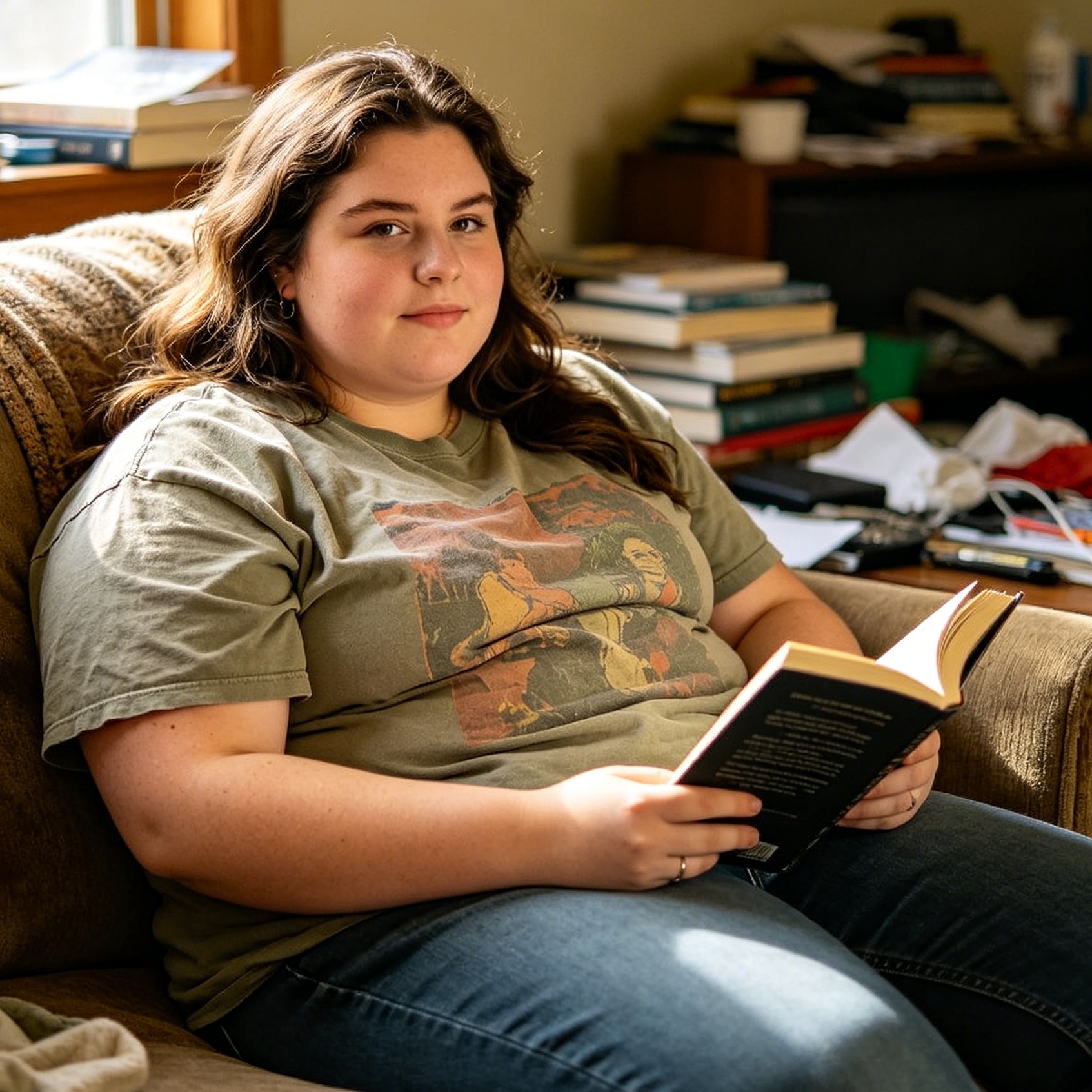
Craiyon AI remains one of the most accessible entry points into the world of generative art. Formerly known as DALL·E mini, this web-based tool has carved out a unique niche by allowing anyone with an internet connection to transform text descriptions into visual imagery instantly. Unlike many high-end AI models that require complex Discord setups, phone number verifications, or subscription commitments upfront, Craiyon operates on a philosophy of "zero-friction" creativity.
The platform is designed for rapid prototyping and experimentation. When a user inputs a prompt, the system utilizes a trained neural network to interpret the semantics and visual relationships described, eventually producing a grid of nine unique image variations. While the competitive landscape of AI art has grown to include giants like Midjourney and DALL-E 3, Craiyon maintains a loyal following because of its simplicity and the fact that it remains fundamentally free to the public.
The Evolution from DALL·E mini to Craiyon AI
Understanding Craiyon requires a look back at its origins. In July 2021, a developer named Boris Dayma created a lighter version of OpenAI’s DALL·E model as part of a competition hosted by Hugging Face and Google. This project, titled DALL·E mini, quickly went viral on social media. Users were fascinated by its ability to generate surreal, meme-worthy, and often bizarre images based on the strangest combinations of words.
In 2022, to avoid trademark confusion with OpenAI, the project was rebranded as Craiyon. Despite the name change, the core mission stayed the same: providing an open-access model for AI art generation. Over time, the underlying technology shifted from the original VQGAN+CLIP architecture to more advanced diffusion models, significantly improving the sharpness and coherence of the outputs while maintaining the classic nine-grid layout that users have grown to love.
How Craiyon AI Generates Images from Text
The magic of Craiyon lies in its interpretation of natural language. The tool uses a version of "diffusion technology," a process that essentially begins with a canvas of random digital noise. Based on the text prompt provided by the user, the AI iteratively refines this noise, adding detail and structure until it matches the concepts it learned during its training phase.
The model was trained on millions of images from the internet, along with their corresponding captions. Through this training, it learned that the word "cat" is associated with certain shapes, textures, and ear structures, while "space suit" involves metallic surfaces and helmets. When combined, the AI synthesizes these disparate concepts into a brand-new image that has never existed before.
One of Craiyon's defining features is its generation speed and variety. Instead of producing a single high-resolution image, it generates nine smaller thumbnails simultaneously. This approach is highly effective for brainstorming; if one interpretation of your prompt is off-base, one of the other eight might be exactly what you were looking for.
Exploring the Six Creative Styles in Craiyon
To help users steer the AI toward a specific aesthetic, Craiyon provides six built-in style presets. Selecting the right style is crucial for getting the best results from your prompt.
1. Art
This is the most versatile setting. It leans toward digital painting, traditional canvas styles, and creative textures. If you are looking for something that feels "crafted" rather than "captured," this is the go-to option. Our testing suggests that the "Art" preset handles metaphorical prompts, such as "a feeling of loneliness in a crowded city," with a much higher degree of emotional resonance than the "Photo" setting.
2. Photo
The Photo preset aims for realism. It attempts to replicate the lighting, depth of field, and textures associated with modern digital photography. For best results here, it is often helpful to include photography-specific terms in your prompt, such as "bokeh," "cinematic lighting," or "macro lens." In our experience, Craiyon’s Photo mode excels at landscapes and architectural concepts, though it can still struggle with the fine details of human hands or complex facial symmetry.
3. Drawing
This style mimics hand-drawn media, including charcoal, pencil sketches, and ink drawings. It is particularly effective for character concepts or storyboard ideas. If you want a "concept art" look that feels like it came out of an artist's sketchbook, selecting "Drawing" will reduce the AI's attempt to make things look three-dimensional and focus more on line work.
4. Anime
For fans of Japanese animation styles, this preset simplifies the shading and emphasizes the bold outlines and expressive features typical of anime. It works surprisingly well with modern prompt techniques, allowing users to create everything from 90s retro-style anime characters to modern, high-gloss digital illustrations.
5. Vector
This is a specialized tool for designers. The Vector preset focuses on clean lines, flat colors, and scalable-looking shapes. It is ideal for logo inspiration, icon design, or minimalist illustrations. When using this mode, we recommend keeping the prompts simple; overcomplicating a vector prompt can lead the AI to add too many gradients, which defeats the purpose of the "clean" vector look.
6. Raw
The Raw setting is for purists who want to see the AI's uninhibited interpretation of the text without any predefined style bias. This mode is excellent for experimentation. Because it doesn't try to force the image into a "photo" or "drawing" box, it can often produce the most unique and unexpected results.
Mastering the Interface: From Prompts to Negative Words
The Craiyon interface is refreshingly minimal, but there are powerful tools hidden in plain sight.
The Power of the Prompt Box
The prompt box is where the journey begins. While you can type something simple like "a blue dog," Craiyon rewards specificity. A better prompt would be "a majestic blue husky sitting on a mountain peak at sunset, oil painting style." The more descriptors you provide—color, material, mood, lighting—the more data points the AI has to work with.
Utilizing Negative Words (The "Exclude" Section)
One of Craiyon's most valuable advanced features is the "Exclude" field. This allows you to tell the AI what not to include in the image. Common uses for the exclude field include:
- Colors: If you want a forest but don't want it to look like autumn, you could exclude "orange, red, yellow."
- Artifacts: To try and clean up the image, some users exclude "text, blurry, distorted, watermark."
- Specific Objects: If you want a living room without a television, simply type "television" in the exclude box.
In our practical application, we found that using the exclude box is often more effective than trying to phrase the absence of something within the main prompt. The AI tends to focus on nouns, so if you say "no trees," it might see the word "trees" and include them anyway. Using the dedicated "Exclude" field solves this logic problem.
Comparing the Free Tier with Paid Subscriptions
Craiyon follows a "freemium" model. While the core experience is free, there are significant benefits to moving to a paid plan, especially for professionals or heavy users.
The Free Tier
- Cost: $0.
- Accessibility: No login or credit card required.
- Speed: Slower. During peak times, you may have to wait 60 seconds or more for your 9-grid to generate.
- Watermarks: Generated images include a small Craiyon logo.
- Terms: Requires attribution to Craiyon.com for personal or commercial use.
- Privacy: All images are public and searchable in the community gallery.
Paid Plans (Supporter, Professional, Ultra)
Subscription tiers offer a tiered approach to features:
- Priority Generation: Paid users skip the queue, with generation times often dropping to under 15 seconds.
- High Quality: Access to "Pro Quality" models that offer higher resolution, more detail, and better sharpness.
- Private Generations: Images are not shared in the public gallery.
- No Watermarks: Professional-grade downloads without branding.
- Advanced Aspect Ratios: While free users are often limited to square formats, subscribers can choose Landscape (16:9) or Portrait (9:16) orientations.
Real-World Experience: Tips for Higher Quality Results
Having spent dozens of hours testing Craiyon against other AI models, here are several practical observations to improve your output:
1. The "Magic" of Adjectives Craiyon responds exceptionally well to atmospheric adjectives. Instead of "a city," try "a cyberpunk neon city" or "a gothic Victorian city." These modifiers trigger the AI to pull from specific clusters of its training data, resulting in a more cohesive aesthetic.
2. Handling Faces and Hands Like many AI models, Craiyon can struggle with the intricate geometry of human anatomy. To mitigate this, try prompts that involve characters from a distance (wide shots) or characters wearing gloves or helmets. If you are generating a portrait, adding "highly detailed eyes" or "symmetrical face" to the prompt can sometimes help guide the model toward a cleaner result.
3. The "Base" vs "Pro" Distinction In our recent testing, the "Pro Quality" available to subscribers is a noticeable leap. While the "Base Quality" is fun for memes and quick ideas, the Pro version reduces the "fuzziness" often associated with early AI art. If you are using these images for a blog post or a presentation, the Pro credits are usually worth the investment for the added clarity.
4. Iteration is Key Rarely is the first prompt perfect. If you like the composition of a generated image but the colors are wrong, don't start over. Refine the prompt, add the unwanted colors to the "Exclude" box, and hit "Draw" again. The model's randomness means that every click is a new opportunity for a masterpiece.
Licensing and Commercial Use
One of the most common questions is: "Who owns the images created with Craiyon?"
According to Craiyon’s current terms of service, users are generally permitted to use the images for personal, academic, and even commercial purposes. However, there is a catch for free users: you must provide clear attribution to Craiyon.com. This usually means a small caption or a link near the image indicating it was "Generated by Craiyon."
For those who subscribe to a paid plan, the requirement for attribution is typically waived, and the images can be used more freely in commercial projects without the need for external branding. This makes the paid tier an attractive option for small business owners or content creators who want to use AI art for marketing materials without cluttering their designs with credits.
What is the Difference Between Craiyon and Midjourney?
While Craiyon is often compared to Midjourney, they serve different purposes. Midjourney is a premium tool known for photorealistic, high-fidelity art, but it requires a monthly fee and operates through Discord. Craiyon, on the other hand, is the "people's AI."
Craiyon’s strength is in its accessibility. It is the perfect tool for someone who has a sudden idea and wants to see it visualized in 30 seconds without signing up for anything. It is also an excellent educational tool for teaching students about prompt engineering and AI logic without the hurdles of account management. While Midjourney wins on technical quality, Craiyon wins on speed, ease of use, and price.
Frequently Asked Questions
What happened to DALL·E mini?
DALL·E mini was renamed to Craiyon in 2022 to avoid confusion with OpenAI’s DALL-E. The original team, led by Boris Dayma, continues to develop and improve Craiyon independently.
Do I need to pay to use Craiyon AI?
No, Craiyon offers a fully functional free version. You can generate an unlimited number of images without ever paying, though you will see ads and may experience slower generation speeds during busy times.
Can Craiyon understand languages other than English?
Yes, Craiyon can interpret prompts in various languages, though its primary training data is English. For the most accurate and detailed results, English prompts generally perform the best, but the AI is surprisingly adept at understanding French, Spanish, German, and many other languages.
Is there a Craiyon mobile app?
While Craiyon was primarily a web-based tool, there is now an Android app available on the Google Play Store. For iOS users, the website is fully optimized for mobile browsers, providing a seamless experience on iPhones and iPads.
Why do some images look blurry or distorted?
This is a common trait of "Base Quality" AI models. AI interprets images as patterns of data, and sometimes those patterns don't perfectly align with human expectations of reality. To get sharper images, you can try the "Upscale" feature or upgrade to a Pro plan for higher-quality model access.
Summary
Craiyon AI has successfully transitioned from a viral internet sensation into a stable, powerful, and accessible tool for the creative community. By maintaining its "no-login" policy and offering a robust free tier, it ensures that the power of generative AI remains in the hands of the many, not just the few. Whether you are a professional designer looking for a quick storyboard reference or a casual user wanting to see "a penguin riding a bicycle on the moon," Craiyon provides a simple, fun, and effective way to bring those visions to life. While it may not replace high-end studio tools for every use case, its role as the most accessible AI art generator on the web is firmly established.
-
Topic: Craiyon - Your FREE AI image generator tool: Create AI art!https://www.craiyon.com/en?target=api-ad&utm_referrer=xgv685
-
Topic: Craiyon - Your FREE AI image generator tool: Create AI art!https://www.craiyon.com/en?amp=1
-
Topic: Craiyon - Your FREE AI image generator tool: Create AI art!https://www.craiyon.com/en?prompt=grumblebum&model=art&negativePrompt=&aspectRatio=1%3A1